 Save to Pinterest
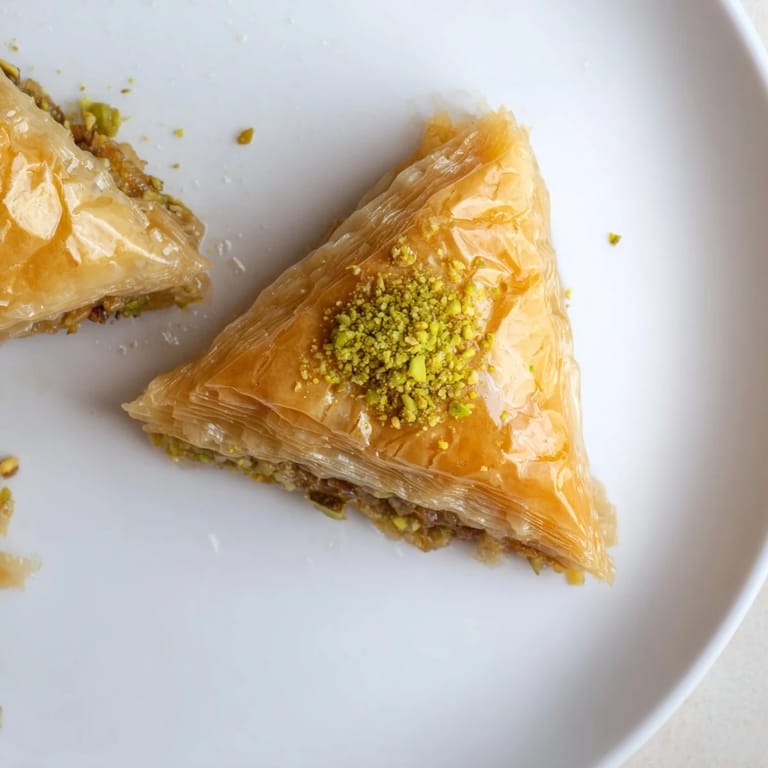
 The first time I watched my grandmother fold phyllo sheets with butter, I understood why baklava demands respect—each layer is a whispered promise of crispness. She moved with such calm certainty, brushing that melted butter on gossamer-thin pastry, that I forgot to be intimidated by the recipe. Years later, I realized the magic wasn't in some hidden technique; it was simply that she never rushed the layering, never skimped on the butter, and always poured the hot syrup over hot pastry like she was giving the baklava a final blessing.
I made this for a dinner party on a chilly October evening, and when I pulled it from the oven, golden and crackling, one of my friends closed her eyes as the aroma hit her. She later told me it reminded her of a trip to Istanbul, even though she'd never actually been there. That's when I realized baklava doesn't just feed people—it transports them somewhere warm and indulgent, even if only in their imagination.
Ingredients
- Phyllo dough (16 sheets, thawed): The foundation of everything; letting it thaw slowly at room temperature prevents it from cracking, and keeping it covered with a damp towel as you work is the secret to keeping it pliable.
- Unsalted butter (150 g, melted): Use good butter—it's tasted directly in every crispy layer, so it matters more than you might think.
- Hazelnuts (100 g, finely chopped): Toasting them lightly before chopping deepens their flavor, though raw works beautifully too.
- Pistachios (100 g, finely chopped): Their subtle sweetness and earthy notes make them irreplaceable; don't skip them in favor of walnuts alone.
- Granulated sugar (100 g for filling, 100 g for syrup): Keeps the filling from becoming heavy while adding a gentle sweetness that lets the nuts shine.
- Ground cinnamon (1 tsp, optional): I leave this out because the nuts speak loudly enough, but add it if you love warm spice notes.
- Water (120 ml): The base for the syrup that makes baklava truly sing.
- Honey (150 g): This should be aromatic and good quality; cheap honey will disappoint you here.
- Lemon juice (1 tsp): A small brightening note that prevents the syrup from tasting cloyingly sweet.
Tired of Takeout? 🥡
Get 10 meals you can make faster than delivery arrives. Seriously.
One email. No spam. Unsubscribe anytime.
Instructions
- Prepare your workspace and pan:
- Preheat your oven to 180°C (350°F) and brush that 20x30 cm baking pan generously with melted butter—don't be shy, this is how you build flavor from the very first layer. Have your pastry brush, phyllo sheets (covered with a damp towel), and melted butter all within arm's reach before you start, because once you begin layering, you won't want to pause.
- Build the phyllo base:
- Take 4 sheets of phyllo and lay them in the pan one at a time, brushing each with butter as you go—use a pastry brush and coat them evenly, letting the butter soak in gently. You'll feel how delicate they are, and that's exactly right; treat them tenderly and they'll reward you with crackling texture.
- Combine your nut filling:
- In a bowl, toss together the hazelnuts, pistachios, sugar, and cinnamon if using, mixing with your fingers so the nuts are evenly coated and you can smell how fragrant they are. The size of your chop matters here—aim for pieces small enough to distribute evenly but not so fine that they become powder.
- Layer filling and phyllo:
- Sprinkle one-third of the nut mixture evenly over your phyllo base, then lay down 4 more phyllo sheets, buttering each one as before. Repeat this twice more—nuts, then phyllo—until you've used all your filling, finishing with the final 4 phyllo sheets buttered on top, including a good coat on that final layer so it turns gorgeously golden.
- Score your shapes:
- Using a sharp knife, cut the baklava into diamonds or squares in clean, confident motions—this is easier if you cut all the way through rather than sawing gently. Some people cut before baking, some after; I find before is cleaner, and if you chill the whole pan for 15 minutes first, the knife glides through like butter.
- Bake until golden:
- Slide it into the oven and bake for 35 to 40 minutes, watching until the phyllo turns a burnished, appetizing golden brown and you can see the edges crisping up. The timing depends on your oven's temperament, so start checking around 33 minutes.
- Prepare the honey syrup while baklava bakes:
- Combine water, honey, sugar, and lemon juice in a saucepan over medium heat, stirring gently until the sugar dissolves, then bring to a boil and reduce heat to a bare simmer for 10 minutes. The syrup will smell incredibly fragrant, almost floral; this is when you know it's infused the honey's perfume into the liquid.
- Pour hot syrup over hot baklava:
- The moment the baklava comes out of the oven, pour that hot syrup evenly over the hot pastry—don't wait, don't cool it, this step is non-negotiable. The contrast between hot pastry and hot syrup allows them to marry together, so the pastry drinks in the sweetness while staying crisp.
- Cool completely before serving:
- Set it somewhere safe and let it cool entirely, giving the syrup time to soak through all those layers and the pastry time to firm up. This takes a few hours, but patience now rewards you with perfectly set baklava later.
 Save to Pinterest
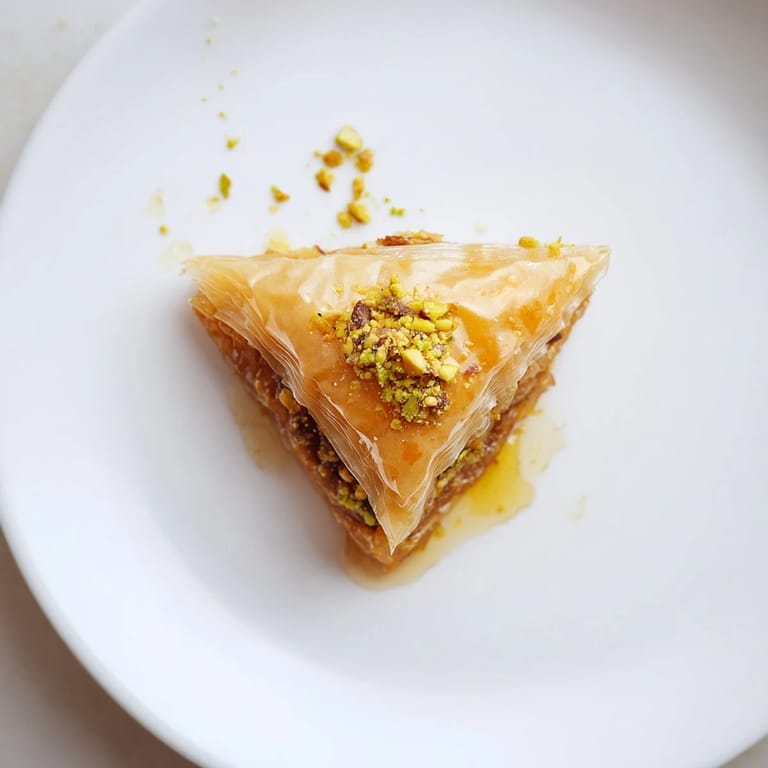
 There's a moment that happens every time I make this—when the oven door opens and that wave of caramelized, honeyed warmth hits your face, and suddenly the whole kitchen feels like someplace important. That's when I know I've made something that matters, something that will linger in memory alongside the lingering smell of honey and butter and roasted nuts.
The Secret of Phyllo Mastery
Phyllo intimidates people, but really it's just paper-thin dough that gets moody when it's dry. The trick is respecting its fragility without fearing it—yes, it tears sometimes, and yes, you'll have a moment of panic, but one torn sheet in a stack of sixteen is genuinely invisible once it's baked. What matters far more is the butter between each layer and the rhythm of your brushing: light, even strokes that coat without soaking.
Why This Pairing of Nuts Works
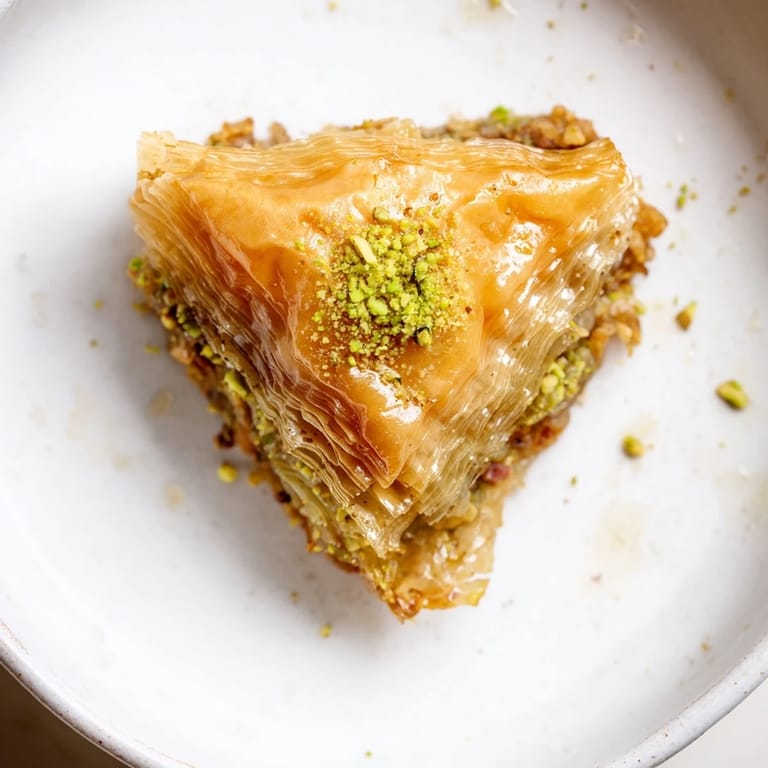
Hazelnuts bring a deep, almost earthy richness, while pistachios add brightness and a subtle sweetness that plays beautifully against the honey. Together they're more interesting than either one alone, and neither overpowers the other; instead they create a quiet harmony that makes you want another piece immediately. If you're tempted to use only walnuts or only pistachios, resist it—this combination is worth the extra shopping.
Storing and Serving Your Baklava
Baklava keeps remarkably well in an airtight container at room temperature for up to five days, and honestly, it tastes even better on day two or three as the flavors marry and the honey syrup settles deeper into the pastry. Serve it at room temperature, maybe with a small cup of strong coffee or tea, and watch people's faces light up when they taste that first crackle of pastry against warm honey.
- If you need to slice it cleanly days later, a sharp knife warmed under hot water and wiped dry will cut through without shattering.
- These freeze beautifully too; wrap them well and they'll keep for up to a month, then thaw at room temperature before serving.
- Some people love baklava chilled; try both temperatures and see which one speaks to you.
 Save to Pinterest
 Make this baklava for someone you love, or make it just for yourself on a quiet afternoon—either way, you're creating something that tastes like care tastes like time spent well. The effort is minimal, the reward is immense, and the kitchen memory will stick with you long after the last sweet, crispy crumb is gone.
Common Recipe Questions
- → What type of nuts are used in this dessert?
Hazelnuts and pistachios are finely chopped and layered between the phyllo dough to create a rich nut filling.
- → How is the phyllo dough prepared for baking?
Each sheet of phyllo is brushed generously with melted butter before layering to ensure a crisp and golden texture.
- → What is the purpose of the honey syrup?
The honey syrup is poured over the hot pastry after baking, infusing sweetness and moisture while complementing the nuts' flavor.
- → Can other nuts be substituted for hazelnuts?
Yes, walnuts can be used instead of hazelnuts if preferred, maintaining the nutty richness of the filling.
- → How should the dessert be stored once prepared?
Store in an airtight container at room temperature for up to five days to preserve freshness and texture.
- → Is there a tip for easier slicing?
Chilling the dessert before cutting helps achieve clean, neat slices without crumbling.