 Save to Pinterest
 The first time I watched someone brush honey garlic butter onto raw salmon, I was struck by how quickly something so simple could smell extraordinary. That buttery sweetness hitting the hot pan, the garlic turning golden before the fish even went in the oven—it felt like kitchen magic that happened to be dinner. Now, whenever I need something that looks impressive but doesn't demand hours of fussing, this is what I reach for.
I made this for someone who claimed they didn't really like salmon—too fishy, they said—and watched their face change on the first bite. The glaze somehow mellowed the fish into something sweet and savory at once, and suddenly they were asking for the recipe. That's when I realized this dish has a way of winning people over who didn't think they'd like it.
Ingredients
- Salmon fillets, skin-on or skinless: Four pieces about 170g each—skin-on holds together better and gets crispy at the edges, but skinless is just as good if that's what you prefer.
- Salt and freshly ground black pepper: Don't skip the freshly ground; it makes a real difference in how the seasoning tastes on the fish.
- Honey: Three tablespoons is your base sweetness; it caramelizes beautifully in the oven and creates that glossy finish.
- Unsalted butter, melted: Two tablespoons carries the garlic flavor and helps everything stick to the salmon.
- Garlic, minced: Three cloves—mince it fine so it distributes evenly through the glaze and doesn't burn.
- Soy sauce: One tablespoon adds umami depth that balances the honey's sweetness; grab the gluten-free version if you need to.
- Fresh lemon juice: One tablespoon keeps things bright and cuts through the richness beautifully.
- Dijon mustard: One teaspoon optional, but it adds a subtle tang that rounds out the flavor profile.
- Fresh parsley: One tablespoon chopped—saves the dish from tasting too heavy at the end.
- Lemon wedges: For serving; people love squeezing fresh lemon over the top.
Tired of Takeout? 🥡
Get 10 meals you can make faster than delivery arrives. Seriously.
One email. No spam. Unsubscribe anytime.
Instructions
- Heat your oven:
- Preheat to 200°C (400°F) and line a baking tray with parchment paper or a light grease. The parchment makes cleanup almost effortless.
- Prepare the salmon:
- Pat each fillet dry with paper towels—this is the step that keeps them from steaming instead of roasting. Lay them on the tray and season both sides with salt and pepper.
- Make the glaze:
- Whisk honey, melted butter, minced garlic, soy sauce, lemon juice, and Dijon mustard together in a small bowl until the honey dissolves and everything looks golden and smooth.
- Brush generously:
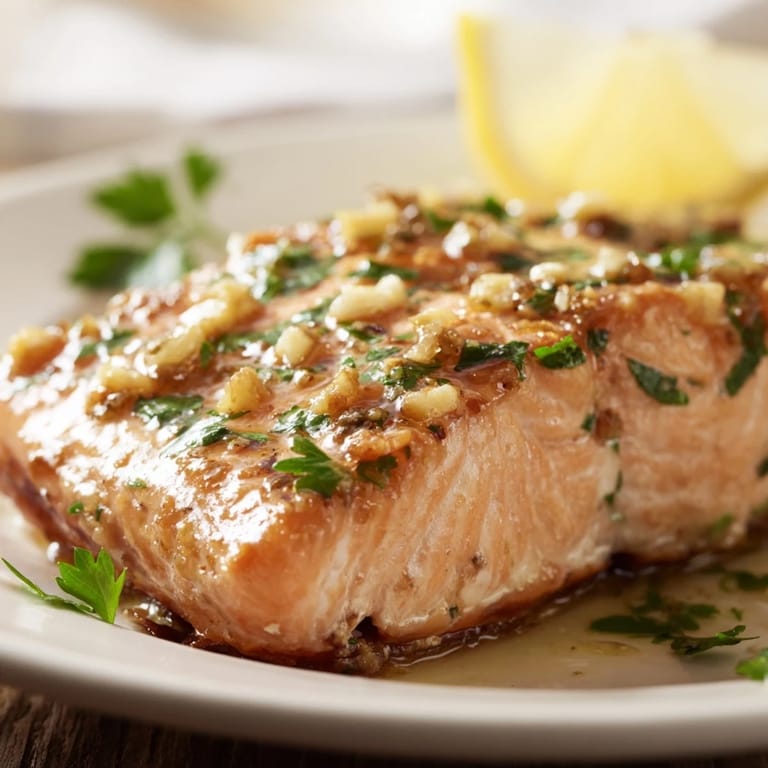
- Use a pastry brush to coat the top and sides of each fillet with the glaze. Don't be shy—this is where the flavor happens.
- Roast until cooked through:
- Slide the tray into the oven for 12 to 15 minutes, depending on fillet thickness. The salmon is done when it flakes easily with a fork and the flesh is opaque all the way through.
- Optional broil for caramelization:
- If you want extra color and a slightly crispy top, switch to broil for the final 1 to 2 minutes—watch carefully so the edges don't blacken.
- Finish and serve:
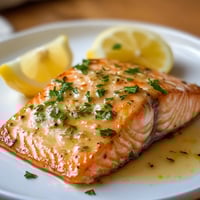
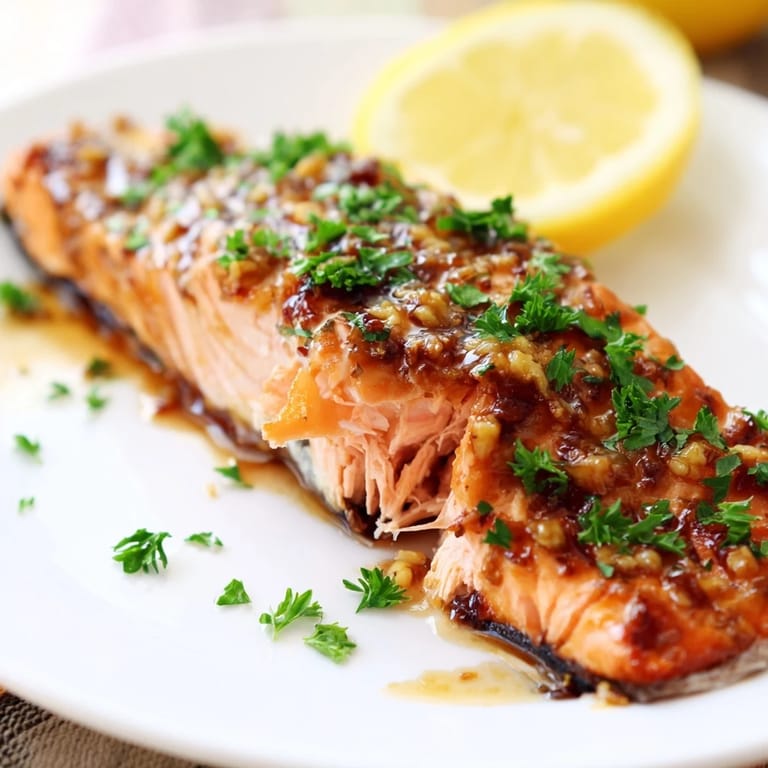
- Spoon any pan juices back over the salmon, sprinkle with fresh parsley, and serve hot with lemon wedges on the side.
 Save to Pinterest
 There was an evening when I made this for friends who brought wine, and someone dimmed the lights halfway through dinner without being asked. Nobody said anything, but the whole mood shifted—suddenly it felt like we were celebrating something, not just eating. That's when food stops being fuel and becomes part of the story.
Why This Glaze Works
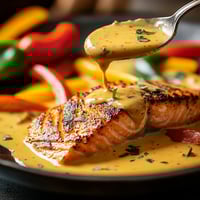
The magic is in how honey and garlic respond to oven heat. Honey caramelizes and deepens in flavor, the garlic mellows from sharp to sweet, and the butter carries everything onto the salmon where it creates that sticky, glossy finish. Soy sauce adds a savory backbone that stops the dish from tasting too dessert-like, while lemon juice keeps it bright. It's a balance that shouldn't work on paper, but somehow always does.
Making It Your Own
This recipe is a canvas if you want it to be. A pinch of crushed red pepper flakes adds heat without overwhelming the other flavors. Some people swap maple syrup for honey—it's earthier and slightly less sweet. Fresh ginger or a touch of sesame oil can push it in different directions, but honestly, the base version is where the real elegance lives.
What to Serve Alongside
Steamed rice soaks up the pan juices beautifully, or roasted vegetables with a bit of char give it texture contrast. A simple green salad with vinaigrette cuts through the richness and makes the plate feel complete without adding much work.
- Rice, roasted asparagus, or steamed bok choy all catch the extra glaze that pools on the plate.
- A squeeze of fresh lemon just before serving brightens everything and reminds you why you saved those wedges.
- Leftover salmon flakes beautifully into salads or rice bowls the next day if you somehow have any left.
 Save to Pinterest
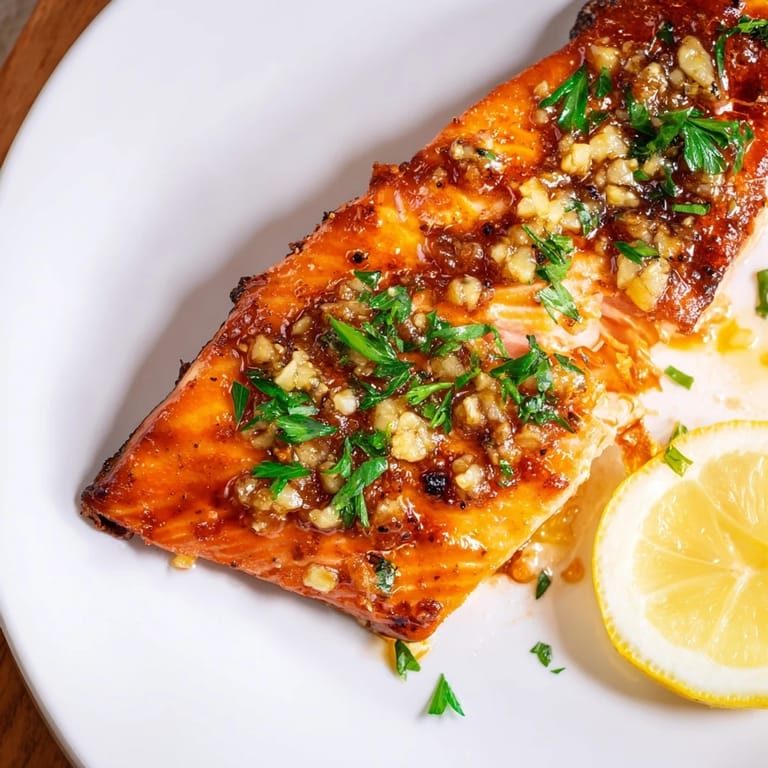
 There's something quietly satisfying about pulling a sheet of glossy, caramelized salmon from the oven and knowing exactly how good it's going to taste. This dish never disappoints.
Common Recipe Questions
- → How do I ensure the salmon stays moist while roasting?
Brushing the salmon with the honey garlic butter glaze before roasting helps lock in moisture. Avoid overcooking by roasting until just flaky, about 12-15 minutes at 400°F.
- → Can I use skin-on salmon fillets for this dish?
Yes, skin-on fillets work well. The skin helps retain moisture and can crisp up nicely during roasting.
- → What can I substitute for honey in the glaze?
Maple syrup is a great alternative, providing a similar sweetness and caramelization during roasting.
- → How can I add a spicy kick to this dish?
Add a pinch of crushed red pepper flakes to the glaze mixture before brushing onto the salmon for a subtle heat.
- → What side dishes pair best with this glazed salmon?
Steamed rice, roasted vegetables, or a fresh green salad complement the sweet and savory salmon beautifully.