 Save to Pinterest
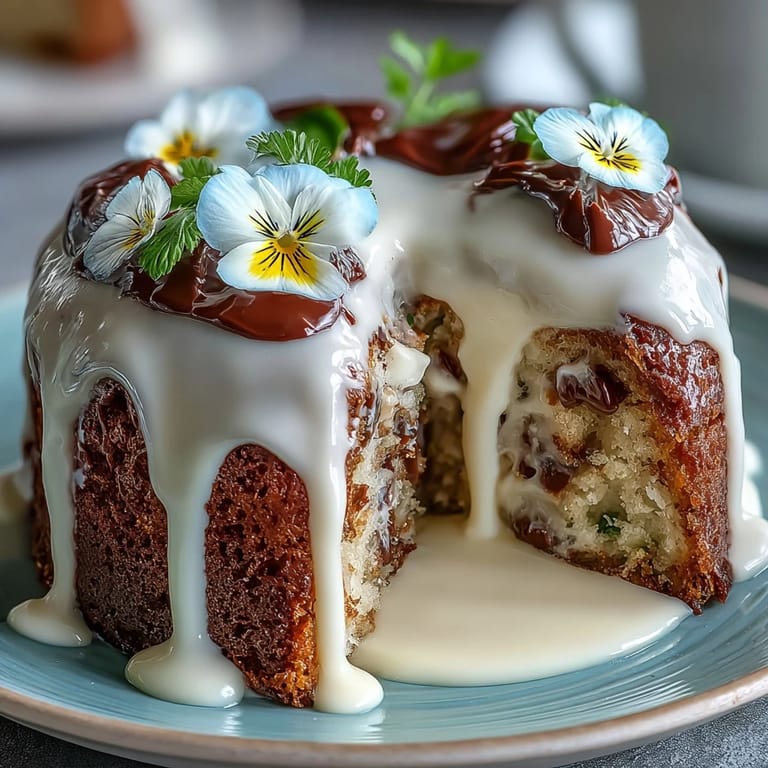
 There's something about a floral cake that stops people mid-conversation. I discovered this truth at a spring market last year when I watched someone's entire face light up at the sight of edible violets cascading down white chocolate. That afternoon, I went home determined to create something equally magical, something that tasted as beautiful as it looked. The combination of bright lemon and delicate flowers felt like spring itself on a plate, and I've been making variations ever since.
I made this for my neighbor's birthday last April, and she cried a little when she saw it—not because it was fancy, but because it felt like someone had listened to what she actually loved. That's when I realized this cake works because it's cheerful without being silly, elegant without being fussy. It became the cake I reach for whenever I need something that feels both personal and celebration-worthy.
Ingredients
- All-purpose flour (2 ½ cups): The backbone of a tender crumb; measuring by weight matters here since flour settles differently depending on how you scoop it.
- Baking powder (2 ½ tsp): This gives the cake its gentle lift without making it cakey or dense.
- Salt (½ tsp): A quiet amplifier that makes the vanilla and lemon actually taste like themselves.
- Unsalted butter (1 cup for sponge, 1 cup for frosting): Softened butter creams properly and distributes evenly, which is why room temperature matters.
- Granulated sugar (1 ¾ cups): Beating this with butter for three to four minutes creates tiny air pockets that make the cake light and tender.
- Eggs (4 large, room temperature): Cold eggs won't blend smoothly into the batter and can cause curdling; pull them out thirty minutes before baking.
- Vanilla extract (1 tbsp): Real vanilla makes a noticeable difference here since there aren't many ingredients competing for attention.
- Whole milk (1 cup, room temperature): Cold milk tightens the batter and prevents the emulsion from forming properly, so don't skip the warming step.
- Powdered sugar (4 cups): Sift this before measuring to remove lumps that will make your frosting gritty.
- Fresh lemon juice and zest (2 tbsp juice, 2 tsp zest): Fresh lemon is the difference between a generic cake and one that makes people close their eyes on the first bite.
- White chocolate (1 cup chips or chopped): The drip ganache needs quality white chocolate; cheaper versions won't set properly and taste waxy.
- Heavy cream (⅓ cup for drip): This melts the chocolate into a pourable consistency while keeping it silky and smooth.
- Edible flowers: Buy from specialty food suppliers or grow your own pesticide-free violets and pansies; grocery store flowers are often treated and not food-safe.
Tired of Takeout? 🥡
Get 10 meals you can make faster than delivery arrives. Seriously.
One email. No spam. Unsubscribe anytime.
Instructions
- Prepare your pans and preheat:
- Heat your oven to 350°F and grease three 8-inch round pans, then line the bottoms with parchment paper. This two-step approach keeps cakes from sticking to either surface.
- Combine dry ingredients:
- Whisk flour, baking powder, and salt in a medium bowl until they're evenly distributed. This prevents lumps and ensures the leavening hits every part of your batter.
- Cream butter and sugar:
- Beat softened butter and granulated sugar together for three to four minutes until the mixture is pale and fluffy like whipped clouds. You're creating tiny air pockets that will make the cake tender and light.
- Incorporate eggs and vanilla:
- Add eggs one at a time, beating well after each addition so they fully incorporate before the next one goes in. Scrape down the bowl between additions, then mix in vanilla extract until everything is smooth.
- Alternate wet and dry:
- Add the flour mixture and milk in alternating additions, starting and ending with flour. Mix just until combined each time; overworking develops gluten and makes the cake tough.
- Divide and bake:
- Distribute batter evenly among the three prepared pans and smooth the tops. Bake for 25 to 30 minutes until a toothpick inserted in the center comes out clean, then cool in the pans for 10 minutes before turning out onto wire racks to cool completely.
- Make the lemon frosting:
- Beat softened butter until creamy, then gradually add sifted powdered sugar while mixing until smooth. Stir in fresh lemon juice, lemon zest, and just enough milk to reach a spreadable consistency.
- Assemble the layers:
- Once cakes are completely cool, level them if needed using a serrated knife or cake leveler. Place the first layer on your serving plate, spread with a generous layer of lemon frosting, then repeat with the remaining layers.
- Frost the outside:
- Frost the top and sides of the assembled cake with an offset spatula or bench scraper, making the surface as smooth as you can. Don't worry about perfection—the drip will cover any imperfections.
- Create the white chocolate drip:
- Heat heavy cream until it just simmers, then pour it over white chocolate in a heatproof bowl and let it sit for two minutes. Stir until the mixture is completely smooth and silky, then add gel food coloring if you want pastel shades.
- Apply the drip:
- Let the ganache cool until it's slightly thickened but still pourable, then use a spoon or squeeze bottle to gently drip it around the edge of the cake, letting it run down the sides. Spread the remaining ganache across the top with a gentle hand.
- Decorate with flowers:
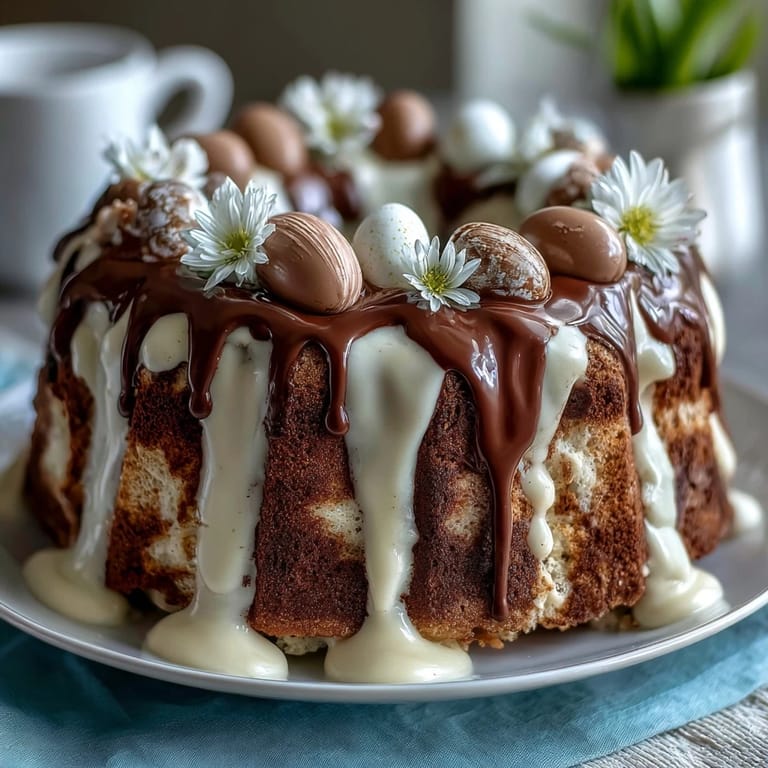
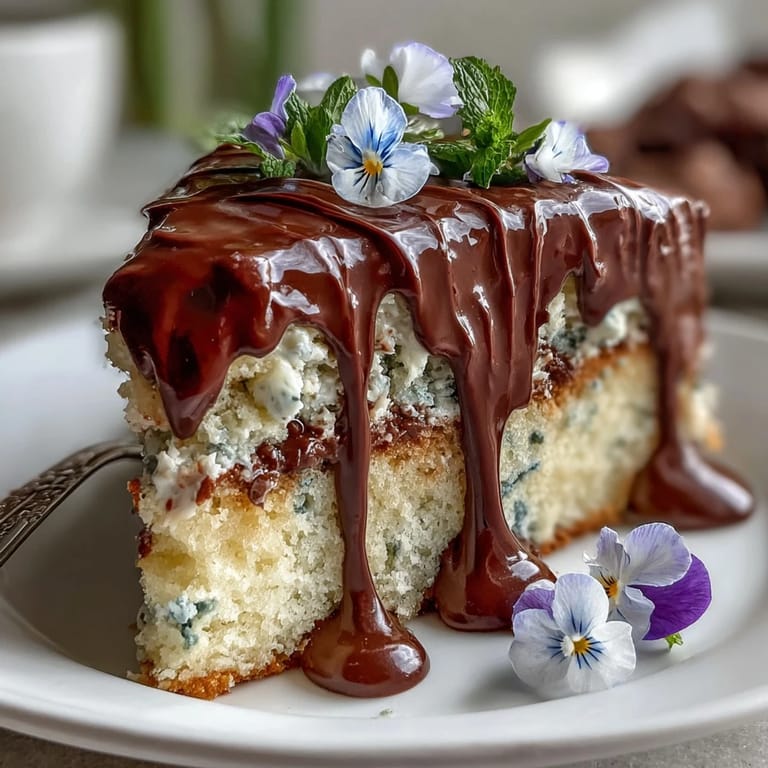
- Once the ganache has set slightly, arrange edible flowers on top along with sprinkles and lemon zest if you'd like. Trust your instincts about placement; there's no wrong way to arrange something beautiful.
 Save to Pinterest
 This cake taught me that decoration isn't about being perfect; it's about being intentional. The first time my frosting wasn't flawlessly smooth, I worried until the white chocolate drip went on and suddenly the whole thing looked intentionally artistic instead of amateur. That moment shifted how I think about baking entirely.
Why Lemon Works with Flowers
Floral flavors can feel fragile or one-dimensional when they're not balanced properly, which is why lemon is the secret ingredient here. The brightness cuts through any sweetness and prevents the whole cake from tasting like perfume. I learned this the hard way after making a lavender cake without enough acid; it tasted lovely for exactly one bite, then cloying forever after. Lemon keeps flowers grounded and real.
Timing and Temperature Matter
Everything in this recipe relies on temperature control, which sounds fussy but actually makes baking easier. When your butter and eggs are room temperature, they emulsify properly and create a batter that bakes evenly and rises predictably. When your cream is simmering rather than boiling, the white chocolate melts into silk instead of breaking into grainy clumps. These small details feel invisible when they work, but they're the difference between a cake that impresses and one that disappoints.
Storage, Serving, and Variations
This cake lives beautifully in the refrigerator for up to three days, which makes it perfect for advance planning. Bring it to room temperature for about an hour before serving so the frosting softens and the flavors actually shine. The cake pairs wonderfully with sparkling wine or Earl Grey tea, creating a moment that feels more like celebration than dessert.
- For a gluten-free version, swap in a 1:1 gluten-free flour blend and follow the rest of the recipe exactly as written.
- If you can't find edible flowers, candied citrus peel or crystallized ginger creates similar visual impact with complementary flavor.
- The white chocolate ganache can be made a day ahead; store it covered at room temperature and gently reheat before dripping.
 Save to Pinterest
 This cake became part of my spring tradition the moment I realized it was as much about the experience of making it as eating it. There's something grounding about creaming butter and sugar, something meditative about arranging flowers on the top, and something genuinely lovely about serving something you built with your own hands.
Common Recipe Questions
- → What type of flour is best for the sponge?
All-purpose flour provides a balanced texture, creating a soft yet sturdy sponge ideal for layering and holding frosting.
- → How do I ensure the lemon frosting has the right consistency?
Beat softened butter until creamy and gradually add powdered sugar. Mix in lemon juice, zest, and milk until you reach a smooth, spreadable consistency.
- → Can I use different flowers for decoration?
Yes, edible flowers like violets, pansies, or rose petals are excellent choices, but ensure they are pesticide-free and food-safe.
- → How is the white chocolate drip made shiny and smooth?
Gently heat heavy cream and pour it over white chocolate, allowing it to melt before stirring into a silky ganache. Coloring is optional.
- → What storage method preserves freshness?
Refrigerate the cake for up to 3 days, then bring it to room temperature before serving to maintain moistness and flavor.