 Save to Pinterest
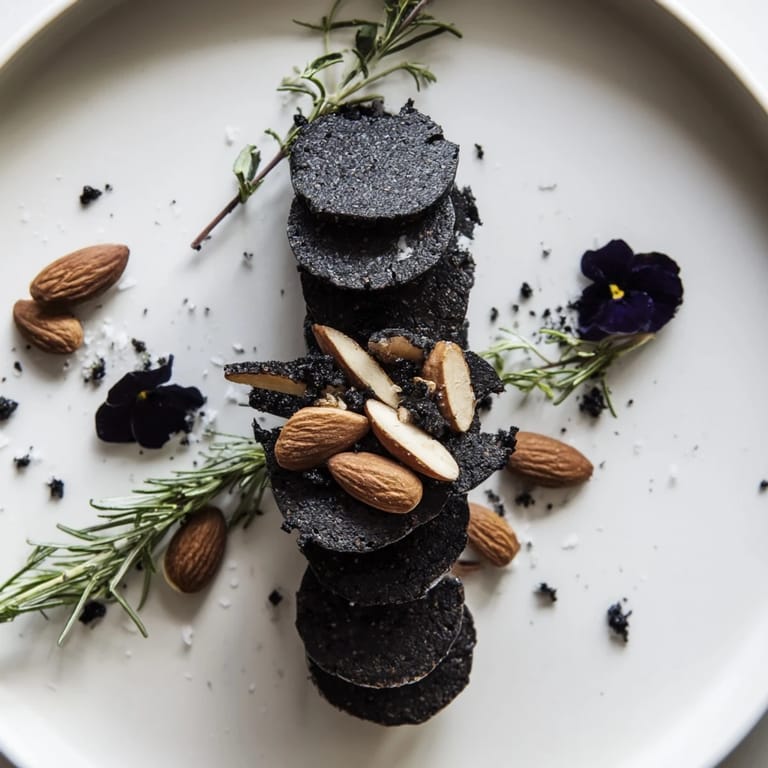
 I discovered black wax cheddar quite by accident at a farmer's market on a gray autumn afternoon, drawn in by its dramatic appearance. The vendor mentioned it had been aging for three years, and something about that dark, protective coating made me want to build something theatrical around it. That evening, I started sketching a platter concept in my kitchen notebook—what if the cheese itself became the centerpiece, not just an ingredient? Within weeks, I'd assembled this tower with crackers and charcoal almonds, and the moment I stepped back to look at it, I knew I'd created something people would actually gasp at.
I remember setting this out for a dinner party last winter when one of my best friends was going through a difficult time. She walked in, saw the platter, and actually laughed—this big, genuine laugh—and said it looked like something from a fantasy novel. That night, the conversation flowed easier, the food tasted better, and I realized that sometimes the most generous thing you can do is make people feel like they're worth the extra effort, even when that effort was mostly just buying good cheese and not messing it up.
Ingredients
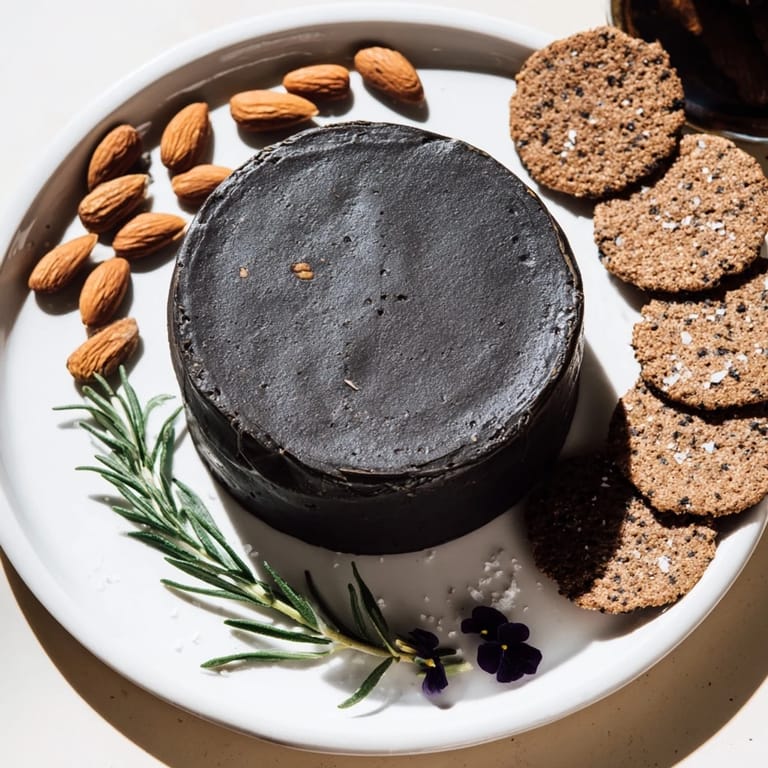
- Black wax-coated aged cheddar (400 g): This is the star, and you need the whole block standing upright to create that dramatic peak effect—cutting it into slices defeats the whole purpose and visual magic.
- Dark rye crackers (150 g): The darker they are, the better they frame the cheese; they're sturdy enough not to snap under the weight of a generous cheese portion.
- Whole almonds (100 g): Leave them whole and unsliced so they catch light and add real texture contrast against the cheese and crackers.
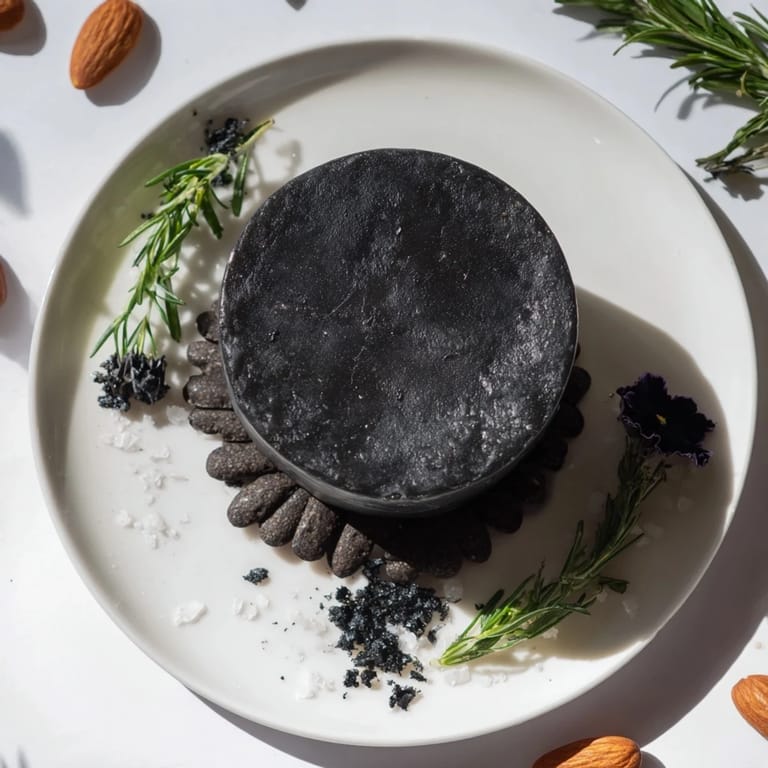
- Food-grade activated charcoal powder (1 tbsp): Use only food-grade charcoal, and dust the almonds sparingly—a little goes a long way visually and prevents any bitter aftertaste.
- Flaky sea salt (1 tsp): Optional but highly recommended; it brings out the nuttiness and balances the earthiness of the charcoal.
- Fresh rosemary sprigs and edible black flowers: These are the final flourish that transform the platter from impressive to restaurant-worthy.
Tired of Takeout? 🥡
Get 10 meals you can make faster than delivery arrives. Seriously.
One email. No spam. Unsubscribe anytime.
Instructions
- Bring the cheese to life:
- Pull the cheddar from the fridge and let it sit on the counter for 20 to 30 minutes. Room temperature cheese tastes infinitely deeper and richer, with flavors that pop instead of lying dormant and cold.
- Dust and season the almonds:
- While you're waiting for the cheese, toss whole almonds in a bowl with charcoal powder until they're evenly coated, then add a pinch of flaky salt. The charcoal will cling beautifully and look almost metallic when it hits the light.
- Position the peak:
- Set the block of cheese upright in the center of your largest, flattest platter. It should feel stable and intentional, like you're building a monument.
- Circle the foundation:
- Arrange dark rye crackers in a concentric circle around the base of the cheese, leaving small gaps so you can tuck almonds into them later. This creates both visual rhythm and prevents the platter from looking too crowded.
- Fill the landscape:
- Scatter the charcoal-dusted almonds throughout the gaps around the crackers, letting them pool in some spots and drift in others. This is where you get to play—think of it like creating a little edible landscape.
- Add the final drama:
- Tuck fresh rosemary sprigs around the cheese and scatter edible black flowers (violets or pansies work beautifully) across the platter. These touches transform it from impressive to unforgettable.
- Serve with intention:
- Present it whole so guests can see the full effect, then let them slice directly from the peak. The anticipation makes the flavors taste even better.
 Save to Pinterest
 There's something about cheese that transcends appetite. When people gather around a platter like this, they're not just eating—they're having a moment together, tasting age and intention and care in every bite. That shift from hunger to connection is exactly why I keep coming back to cheese boards, and why this particular one has become my go-to when I want to celebrate someone or something.
Why Black Wax Cheddar Matters
Black wax cheddar isn't just a visual choice; it's a flavor commitment. The extended aging under that protective wax develops sharp, crystalline notes and a creamy complexity that ordinary cheddar simply can't match. The first time I tasted a well-aged black wax cheddar side-by-side with a younger cheese, I understood why people spend years building these blocks into their cellars. The difference is subtle enough to be mysterious but real enough that every single person at the table notices it, even if they can't put it into words.
The Charcoal Almonds Secret
Charcoal almonds sound more complicated than they actually are, but they're the detail that makes people ask for the recipe. The earthy, almost mineral flavor of activated charcoal plays beautifully against the sharpness of aged cheddar, while the almonds themselves add a subtle bitterness that makes the cheese taste even richer by comparison. I learned this by accident when I was experimenting with different ways to darken the platter visually, but the flavor pairing stuck around because it genuinely works. Go light on the charcoal—the goal is flavor intrigue and visual drama, not a mouthful of powder.
Building Your Own Peaks
Once you've made this platter once, you'll start seeing variations everywhere. The structure is flexible, and the magic isn't in following the recipe exactly but in understanding the principles: one dramatic focal point, complementary textures and colors around it, and enough visual contrast that people want to photograph it before they eat it. Think of it as a template rather than a rule book.
- Try black grapes or dried dark cherries scattered between the almonds for pops of color and sweetness.
- Swap the rye for any dark cracker—pumpernickel, charcoal crackers, or even dark seed crackers all work beautifully.
- If you can't find black wax cheddar, any aged cheese with a dramatic dark exterior (like some Goudas or wrapped cheddars) will create the same visual impact.
 Save to Pinterest
 This platter is less a recipe and more an invitation to slow down and taste something real. When you serve it, you're giving people permission to linger, to talk, to actually enjoy their food instead of rushing through another dinner.