 Save to Pinterest
 The first time I set up a Turkish cheese board, I wasn't trying to be fancy—I was just stalling before dinner guests arrived and wanted something to put on the table that felt intentional. I pulled out whatever cheeses I had, added some olives from a jar I'd been picking at for weeks, drizzled honey over everything, and suddenly my kitchen smelled like a Mediterranean market. That accident taught me that the best appetizers aren't always the most complicated; sometimes they're just good ingredients arranged with a little care.
I remember making this board for my neighbor's spontaneous dinner party on a Tuesday night—the kind where everyone brought wine and nobody checked the time until it was dark outside. The simplicity of it gave me permission to relax instead of being stuck in the kitchen, and somehow that ease translated into the meal itself. It became the thing people talked about the most, which surprised me until I realized it wasn't about complexity; it was about generosity and genuine flavors.
Ingredients
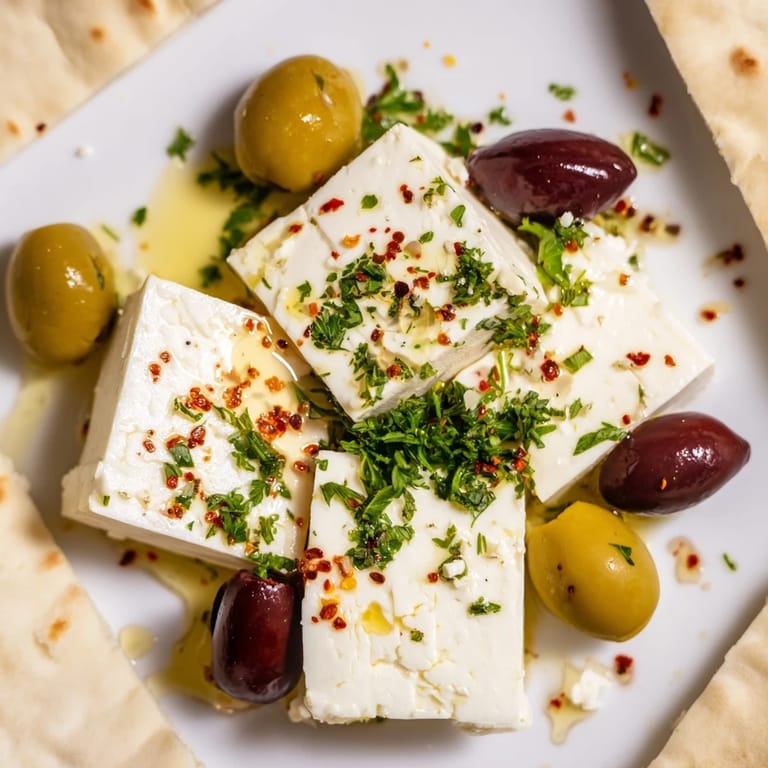
- Feta cheese: Cut into small cubes so people can grab them easily—this is the salty anchor that makes everything work together.
- Beyaz peynir (Turkish white cheese): If you can't find it, mild feta or fresh mozzarella will give you that creamy, slightly bland backdrop that lets the olives and honey shine.
- Brined green olives: They're firm and a little bitter, which is exactly what cuts through the richness of the cheese.
- Brined black olives: Softer and more mellow than the green ones, they add depth and visual contrast to the board.
- Honey: Use the good stuff here—it's only one ingredient, so it matters; the sweetness playing against the salt is what makes people pause mid-bite.
- Warm pita bread: Fresh or freshly warmed is the difference between a board that feels alive and one that feels like a leftover.
- Fresh dill or parsley: Just a small handful chopped fine brightens everything up without overwhelming the other flavors.
- Extra virgin olive oil: A light drizzle right at the end adds a whisper of richness and pulls all the flavors together.
- Crushed red pepper flakes: A pinch is enough to wake up your mouth and remind you why this board is interesting.
Tired of Takeout? 🥡
Get 10 meals you can make faster than delivery arrives. Seriously.
One email. No spam. Unsubscribe anytime.
Instructions
- Lay out your canvas:
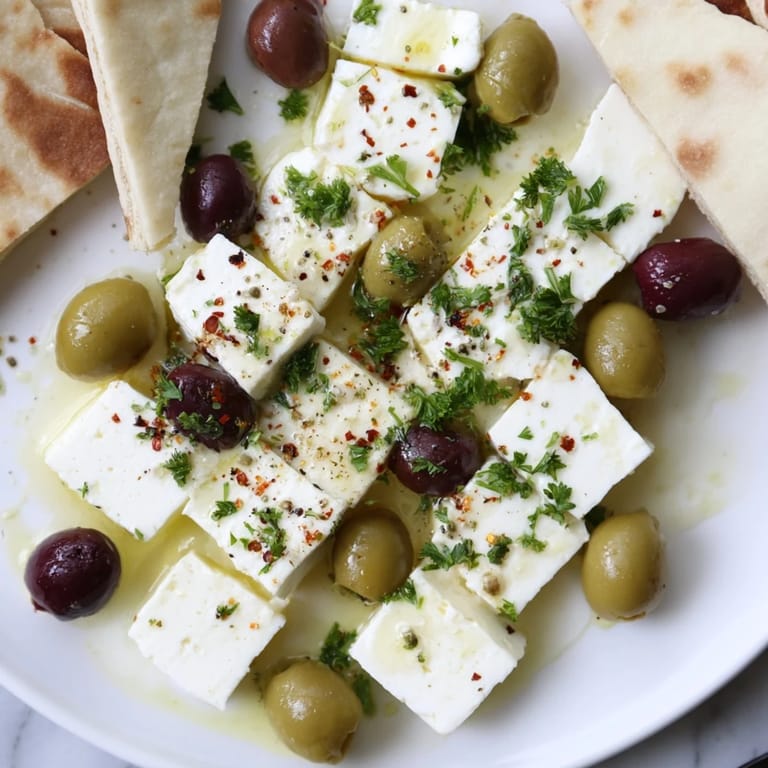
- Choose a board or platter wide enough that nothing feels crowded—people should be able to see and reach everything without bumping hands. Arrange the feta cubes and sliced beyaz peynir in small groups rather than piles, so they look inviting.
- Create olive stations:
- Put the green and black olives in separate small bowls or scatter them in clusters around the cheeses. The separation makes it easier for people to grab what they want without muddying all the flavors together.
- Add the honey moment:
- Pour honey into a tiny bowl and set it in the center, or drizzle it directly over a section of cheese if you want something more dramatic. Watch how people's eyes light up when they taste cheese and honey together for the first time.
- Warm and position the bread:
- Toast the pita in a skillet just long enough to bring out the warmth and soften it slightly, then cut it into wedges and lean them against the board. Warm bread makes a difference—people will actually use it instead of just picking at the other elements.
- Finish with personality:
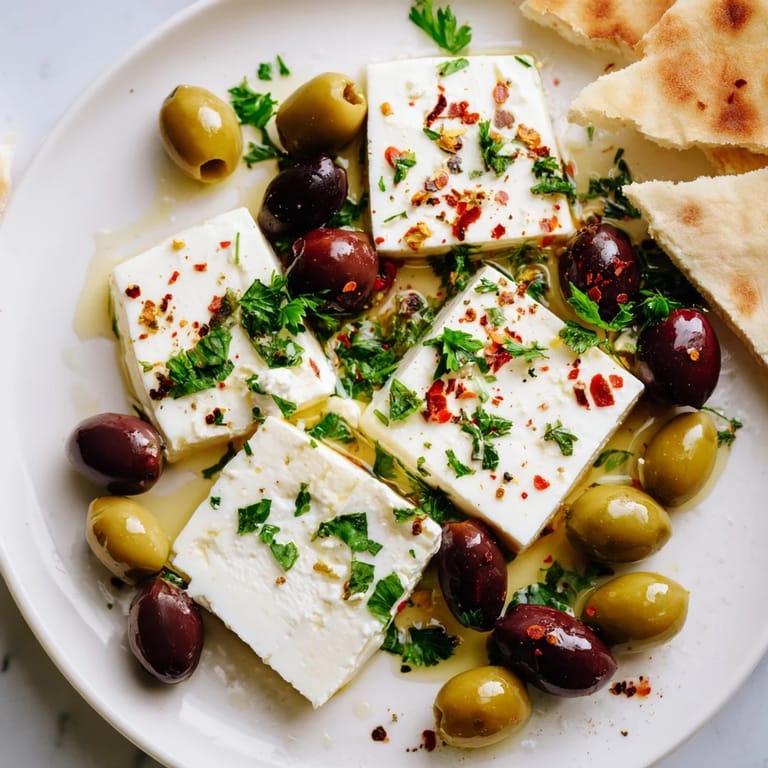
- Sprinkle fresh herbs across the board, drizzle olive oil in thin streams, and dust everything with red pepper flakes if you're using them. These small touches transform an arrangement into something that feels intentional and alive.
- Invite people to mix:
- Serve it immediately and encourage guests to build their own bites—cheese with olive, honey with bread, whatever combination calls to them.
 Save to Pinterest
 There was a moment during that neighbor's dinner when someone bit into a cube of feta draped with honey and made that quiet sound of genuine pleasure—the kind that reminds you why we gather around food. It felt less like serving an appetizer and more like sharing something that mattered.
Building Your Board
The secret to making this board feel special is thinking about balance and contrast—not just flavor, but also color, texture, and how things sit together on the platter. Dark olives next to pale cheese, rough bread alongside smooth honey, salty against sweet. When you arrange it that way, even simple ingredients start to tell a story. The board itself becomes an invitation to slow down and taste things individually rather than just eating mindlessly.
Pairing and Serving
This board pairs beautifully with crisp white wine that cuts through the richness of the cheese, or with Turkish tea if you want something non-alcoholic that feels equally intentional. I've also learned that this works just as well as a quick lunch board as it does for entertaining—there's something about having it there that makes an ordinary meal feel a bit more considered. It's the kind of thing that makes people feel cared for without requiring actual effort.
Making It Your Own
The frame of this board is flexible enough that you can adapt it based on what's in your market or what you're craving that day. Some versions I've made include sliced cucumbers and tomatoes for freshness, or toasted walnuts for a little crunch. I've also played with different honey varieties—chestnut honey adds an almost savory note, while wildflower honey stays bright and floral. The point is to start with the foundation and then let your own taste guide what comes next.
- If you can't find beyaz peynir, mild feta, fresh mozzarella, or even halloumi will give you that creamy backdrop the board needs.
- Warm the pita right before serving so it's actually soft and pleasant to use as a vehicle for the other flavors.
- Don't skip the final drizzle of good olive oil and the herbs—they're what make it feel finished and intentional rather than thrown together.
 Save to Pinterest
 This board has become my answer to 'what should I bring' and 'can you throw something together quickly'—it's the kind of recipe that feels like you tried without making you stressed. That ease is part of what makes it worth returning to.
Common Recipe Questions
- → What cheeses are used on this board?
Feta cheese and beyaz peynir, a Turkish white cheese, provide creamy and tangy flavors that balance the olives.
- → Can I substitute beyaz peynir if unavailable?
Yes, mild Greek feta or mozzarella are good alternatives that maintain the texture and mild tang.
- → How should the pita bread be prepared?
Warm the pita briefly in a skillet or oven, then cut into wedges to serve alongside the cheeses and olives.
- → What additional garnishes enhance the board?
Fresh dill or parsley, a drizzle of extra virgin olive oil, and a pinch of crushed red pepper flakes add freshness and mild heat.
- → What beverage pairs well with this platter?
A crisp white wine or traditional Turkish tea complement the savory and sweet elements perfectly.