 Save to Pinterest
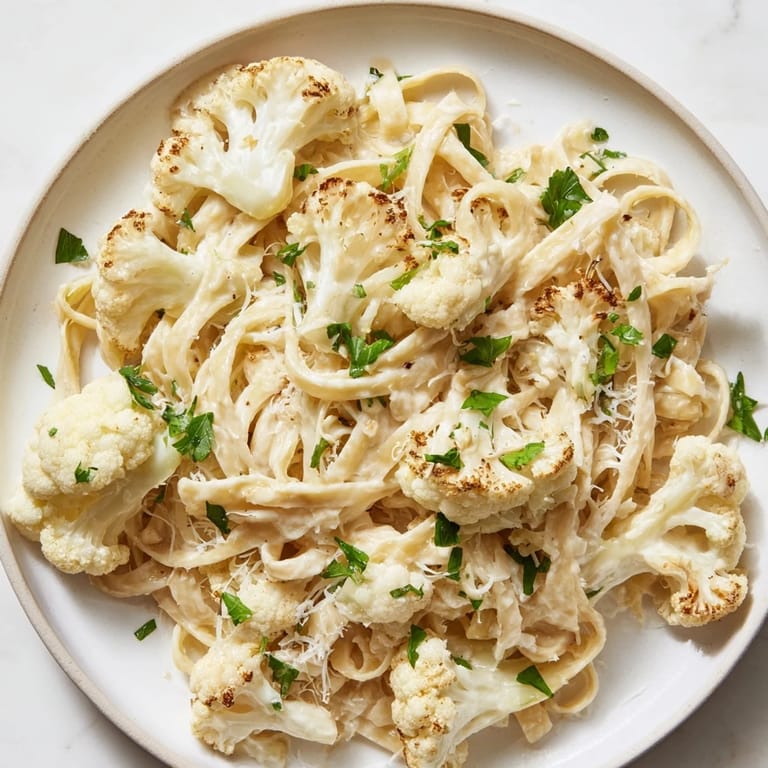
 The first time I made this sauce, I wasn't trying to be clever about it—I just had a head of cauliflower taking up space and remembered someone mentioning it could replace cream in pasta dishes. When that golden, roasted cauliflower hit the blender with warm milk and Parmesan, something clicked. The aroma that filled my kitchen felt both familiar and unexpectedly light. I tossed it with fettuccine and took a bite, surprised at how rich and buttery it tasted without any cream in sight.
I made this for my sister during a particularly cold January evening, and she actually asked for the recipe—something that rarely happens. Watching her twirl the pasta and taste it reminded me that the best meals are the ones that surprise you because they're better than expected, not because they're complicated. That one bowl turned into a regular request on her end-of-week dinners.
Ingredients
- Cauliflower florets: One medium head, cut into even-sized pieces so they roast uniformly and caramelize at the same pace.
- Garlic cloves: Three cloves unpeeled, left whole so they roast gently and become sweet and mellow rather than sharp.
- Whole milk: Use the full-fat version for the silkiest sauce; skim milk can make it taste thin and watery.
- Grated Parmesan cheese: Freshly grated tastes miles better than the pre-shredded version, which contains anti-caking agents that can make the sauce grainy.
- Unsalted butter: Two tablespoons total—some goes on the vegetables for roasting, the rest into the sauce for emulsion and richness.
- Fettuccine or pasta of choice: Twelve ounces, measured by weight; thicker ribbon pastas catch and hold the sauce beautifully.
- Ground nutmeg: Just a quarter teaspoon is all you need; this spice has a powerful voice and can easily overpower if you're heavy-handed.
- Salt and black pepper: Taste as you go because pasta water is salty, and your sauce will concentrate flavors as it simmers.
- Fresh parsley and extra Parmesan: Optional garnish that adds color and a bright finishing touch.
Tired of Takeout? 🥡
Get 10 meals you can make faster than delivery arrives. Seriously.
One email. No spam. Unsubscribe anytime.
Instructions
- Get your oven ready and prep your vegetables:
- Preheat the oven to 425°F and line a baking sheet with parchment paper so cleanup is effortless. Toss your cauliflower florets and whole unpeeled garlic cloves with one tablespoon of butter, then spread them in a single layer on the sheet—this gives them room to brown instead of steam.
- Roast until golden and tender:
- Slide the sheet into the hot oven and let them roast for 25 to 30 minutes, giving everything a gentle stir halfway through. You're looking for golden brown edges and a slightly caramelized look; this is where the real flavor develops.
- Cook your pasta while the vegetables roast:
- Once the cauliflower goes into the oven, fill a large pot with salted boiling water and add your pasta. Cook according to package instructions, but before you drain it, scoop out at least a cup of that starchy cooking water—you'll need it to adjust the sauce consistency later.
- Blend your sauce until completely smooth:
- Let the roasted cauliflower cool just enough to handle, then add it to your blender along with the garlic cloves (squeeze them out of their skins first), the remaining tablespoon of butter, milk, grated Parmesan, nutmeg, salt, and pepper. Blend until the mixture is silky and completely smooth, adding splashes of reserved pasta water as needed until you reach a pourable consistency—it should flow like heavy cream.
- Warm the sauce gently and combine:
- Pour the blended sauce into a large skillet over medium heat and let it warm through until just simmering; never let it boil hard or the milk can separate. Toss in your drained pasta and stir everything together until every strand is coated in that creamy, golden sauce.
- Plate and finish:
- Serve immediately while everything is warm, scattered with fresh parsley and a handful of extra Parmesan if you like.
 Save to Pinterest
 There's something oddly satisfying about telling people this sauce has no cream in it after they've already fallen for it. It always gets a second of disbelief, then a smile when they taste it and realize how fooled their palate was—in the best way.
Why Roasted Cauliflower Changes Everything
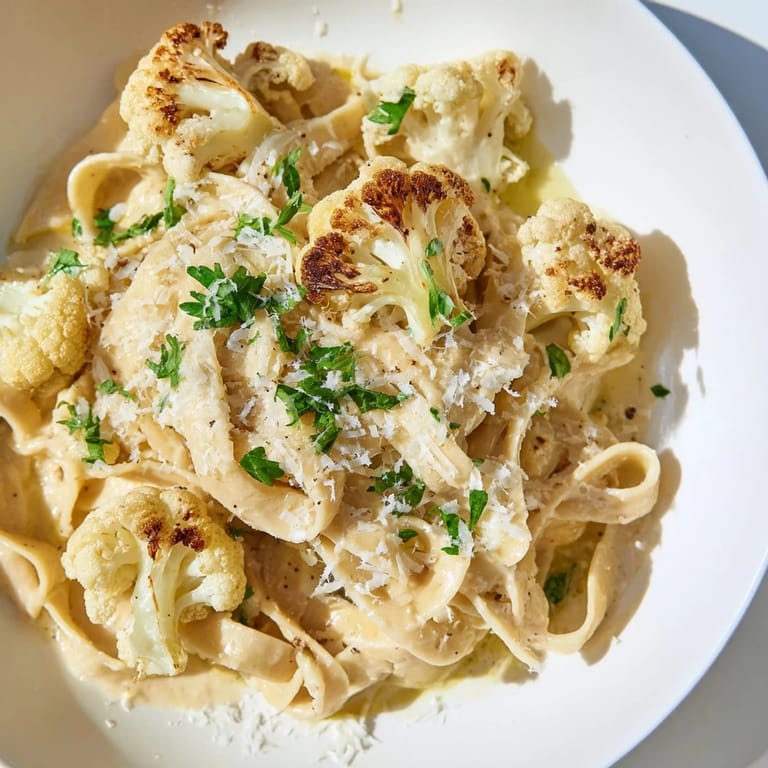
Cauliflower has this quiet sweetness hiding underneath all those florets, but you have to coax it out with heat. When you roast it at high temperature with a little butter, the natural sugars caramelize and develop depth—it stops tasting like the vegetable and starts tasting like umami. This transformation is what makes the Alfredo feel luxurious rather than virtuous, which is the whole point.
Making It Your Own
The beauty of this sauce is how adaptable it really is. A squeeze of fresh lemon juice at the end brings brightness and cuts through the richness in a way that feels necessary. Some people swear by a pinch of cayenne pepper for subtle heat, while others add fresh thyme or sage during the blending for an herbed version that feels more sophisticated. Once you understand how the sauce works, you can play with it.
Variations and Flexibility
If dairy isn't part of your kitchen, use unsweetened plant-based milk and dairy-free butter—the sauce works beautifully, though it won't have quite the same velvety richness. For those avoiding gluten, swap regular pasta for gluten-free versions; the sauce doesn't care either way. Even the vegetables can shift: broccoli works wonderfully, as does a mix of roasted zucchini and cauliflower if you want extra vegetables hidden in there.
- Lemon juice or fresh lemon zest added at the end brightens everything instantly.
- A handful of spinach or kale blended into the sauce adds green color and nutrients without changing the flavor.
- Roasted mushrooms stirred in after cooking add earthy depth and make it feel more substantial.
 Save to Pinterest
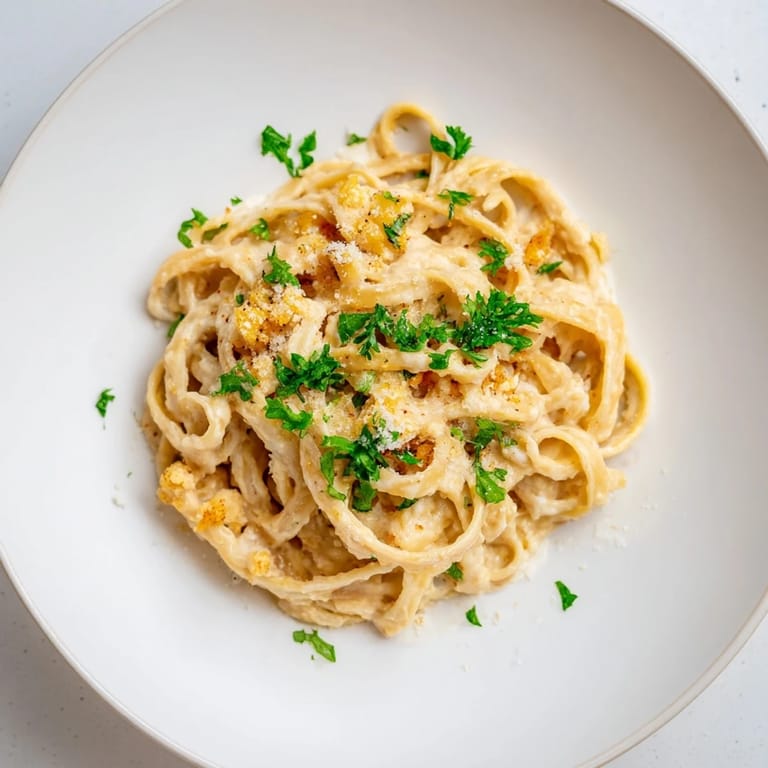
 This recipe proves that lighter doesn't mean less satisfying—sometimes it just means smarter. Whether you're cooking for yourself on a Tuesday or feeding people who think they don't like vegetables, this quietly confident sauce does the work for you.