 Save to Pinterest
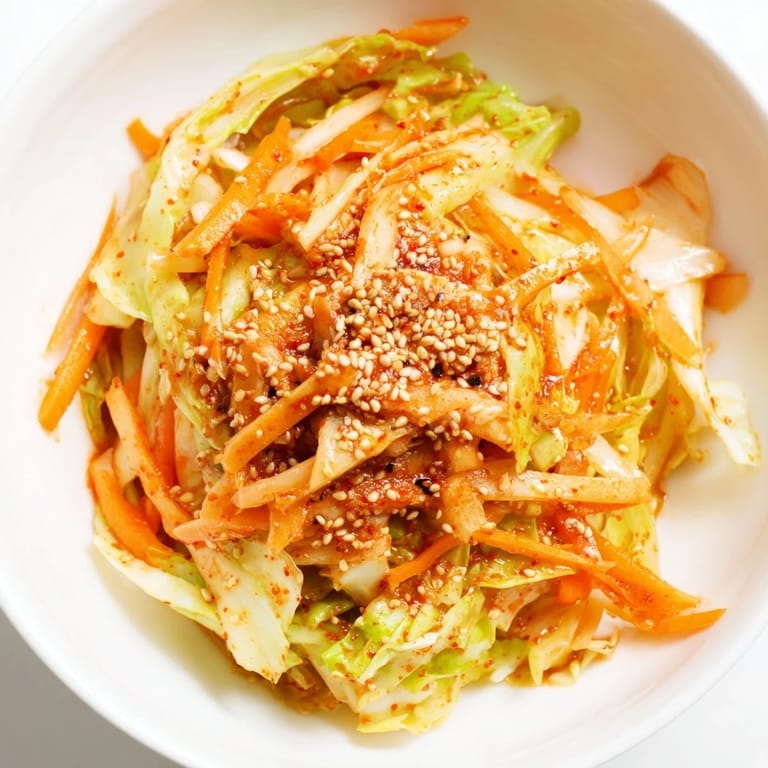
 The wok was smoking hot when I tossed in the garlic, and the smell hit me like a wave of every takeout memory I'd ever had. I was trying to replicate the cabbage dish from a tiny restaurant near my office, the kind of place with sticky menus and perfect food. After three tries, I finally cracked it: the secret was keeping the heat high and your hands moving. This recipe became my weeknight savior, the thing I make when I need something fast, loud, and unapologetically punchy. It's messy, it's quick, and it never disappoints.
I made this for my sister once when she showed up unannounced and starving. She stood in the kitchen, skeptical, watching me char cabbage in a wok like it was some kind of magic trick. By the time I plated it, she was already reaching for a fork. She ate two servings and texted me the next day asking for the recipe, which felt like winning something.
Ingredients
- Green cabbage: The star of the dish, it holds up to high heat and gets tender without turning to mush, so slice it thin and don't baby it.
- Carrot: Julienned carrot adds a pop of color and a slight sweetness that balances the heat beautifully.
- Scallions: Slice them on the diagonal for a prettier look and a milder onion flavor that doesn't overpower.
- Garlic and ginger: These two are the backbone, minced fine so they release their oils fast and coat everything in fragrance.
- Soy sauce: Use tamari if you need it gluten-free, but either way, this brings the salty umami depth that makes the dish sing.
- Rice vinegar: The tang that makes this hot and sour, not just hot, so don't skip it or swap it for something else.
- Chili paste: This is where you control the fire, start with a tablespoon and taste before you add more.
- Sugar: Just a teaspoon to round out the acid and spice, it's barely sweet but makes everything taste more complete.
- Toasted sesame oil: A few drops at the end add a nutty richness that ties the whole sauce together.
- Vegetable oil: You need something neutral with a high smoke point because this cooks fast and furious.
- Black pepper and salt: Finish with these to taste, they sharpen the flavors right before serving.
- Sesame seeds: Optional but worth it, toasted seeds add a little crunch and a lot of visual appeal.
Tired of Takeout? 🥡
Get 10 meals you can make faster than delivery arrives. Seriously.
One email. No spam. Unsubscribe anytime.
Instructions
- Mix the sauce:
- Whisk together soy sauce, rice vinegar, chili paste, sugar, and sesame oil in a small bowl until the sugar dissolves. Set it within arm's reach of the stove because things move quickly once you start cooking.
- Heat the wok:
- Pour vegetable oil into a large wok or skillet and crank the heat to medium-high, letting it shimmer and just start to smoke. This high heat is what gives the cabbage those slightly charred, caramelized edges.
- Bloom the aromatics:
- Toss in the minced garlic and ginger, stirring constantly for about thirty seconds until the smell fills your kitchen. Don't let them burn or they'll turn bitter and ruin the sauce.
- Stir-fry the vegetables:
- Add the sliced cabbage and julienned carrot, tossing everything with a wooden spoon or spatula for three to four minutes. The cabbage should start to wilt but still have plenty of crunch left in it.
- Add the sauce:
- Pour in your prepared sauce and toss everything to coat evenly, letting it cook for another two to three minutes. The cabbage will soak up the tangy, spicy flavors while staying tender-crisp.
- Season and finish:
- Stir in the black pepper, salt, and sliced scallions, cooking for one more minute to let the scallions soften slightly. Taste and adjust the seasoning if needed before transferring to a serving dish.
- Garnish and serve:
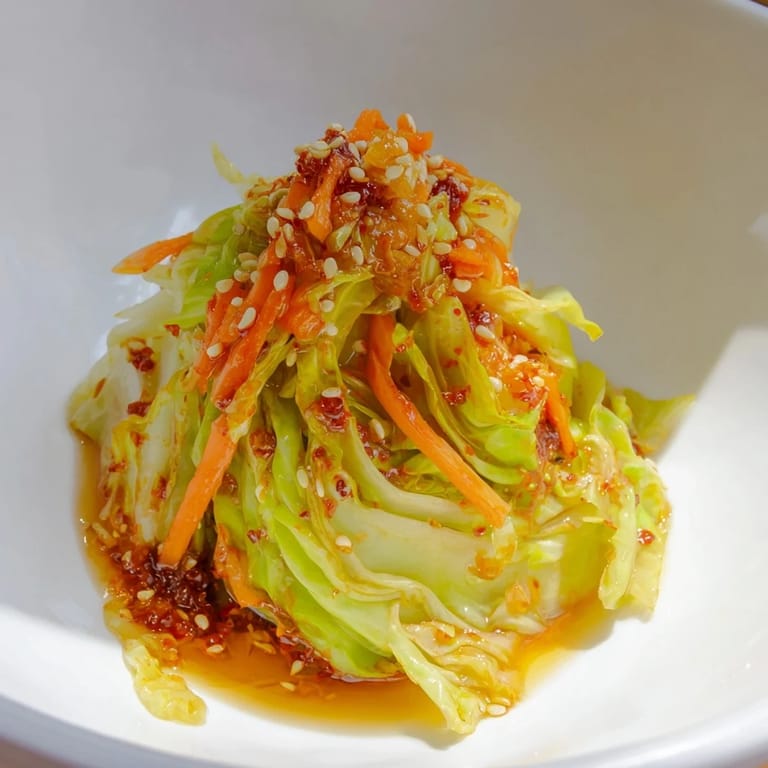
- Sprinkle with toasted sesame seeds and extra scallions if you have them, then serve hot while the cabbage still has that satisfying bite.
 Save to Pinterest
 This dish showed up at a potluck once, tucked between casseroles and pasta salads, and people kept circling back to it. Someone asked if it was from a restaurant, and I just smiled and said it was easier than it looked. That night, I realized that the best recipes aren't always the fanciest ones, they're the ones that make people curious and happy at the same time.
Adjusting the Heat
I learned the hard way that chili paste brands vary wildly in intensity, so always start with less and taste before adding more. If you accidentally make it too spicy, a drizzle of honey or an extra splash of rice vinegar can pull it back without dulling the other flavors. Some nights I want it mild and tangy, other nights I want it to make my eyes water, and this recipe handles both moods gracefully.
Vegetable Swaps and Additions
Napa cabbage works beautifully if you want something a little softer and sweeter, though it cooks faster so watch your timing. I've also thrown in sliced bell peppers, mushrooms, and snap peas when I had them lying around, and they all played nicely with the sauce. The key is keeping the vegetables cut to similar sizes so everything cooks evenly and nothing turns to mush while the rest stays raw.
Serving and Pairing Ideas
This cabbage shines as a side dish next to grilled chicken, tofu, or even a simple fried egg on rice. I've also eaten it straight from the wok with chopsticks, standing at the counter, calling it dinner and feeling no shame. It reheats surprisingly well, though the cabbage softens a bit, so I usually make extra and pack it for lunch the next day.
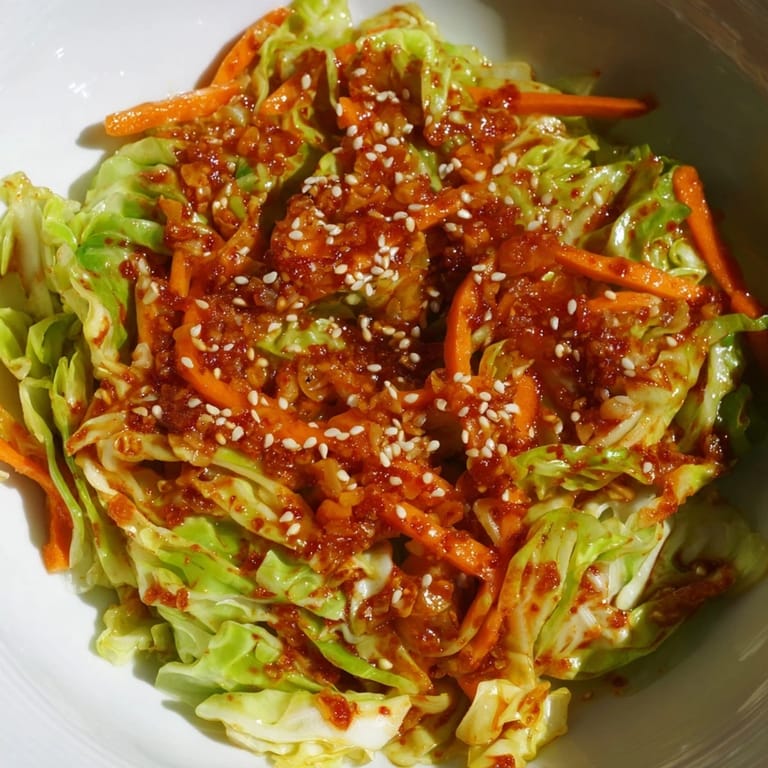
- Serve it over steamed jasmine or brown rice to soak up the sauce.
- Pair it with dumplings or spring rolls for a full spread.
- Top it with crushed peanuts or cashews for extra crunch and richness.
 Save to Pinterest
 This recipe taught me that bold flavors don't need to be complicated, just confident. Keep your wok hot, your timing tight, and your taste buds ready.
Common Recipe Questions
- → Can I use Napa cabbage instead of green cabbage?
Yes, Napa cabbage works wonderfully as a substitute. It has a milder, sweeter flavor compared to green cabbage and will wilt more quickly, so reduce the stir-frying time by 1-2 minutes to maintain a tender-crisp texture.
- → How do I make this dish gluten-free?
Simply replace regular soy sauce with tamari or certified gluten-free soy sauce. All other ingredients are naturally gluten-free. Always verify product labels for cross-contamination warnings if you have severe gluten sensitivity.
- → Can I prepare the sauce ahead of time?
Absolutely. Whisk together the soy sauce, rice vinegar, chili paste, sugar, and sesame oil up to 2 hours before cooking. Store in an airtight container at room temperature. This actually helps the flavors meld together beautifully.
- → What's the best way to achieve that crispy-tender texture?
Use high heat and don't overcrowd the wok. Stir-fry the cabbage for 3-4 minutes initially until it just begins to wilt. Add the sauce and cook for only 2-3 minutes more. The key is constant motion and not letting vegetables sit idle in the pan.
- → How can I adjust the spice level?
For milder flavor, reduce chili paste to 1/2 tablespoon or omit it entirely. For extra heat, add more chili paste, a pinch of red pepper flakes, or fresh Thai chilies. Start conservatively and taste as you go, since heat intensifies as the dish sits.
- → What vegetables pair well with this dish?
Bell peppers, snap peas, mushrooms, and broccoli all work beautifully. Add firmer vegetables like carrots first to ensure even cooking. Delicate greens like bok choy should be added near the end to prevent over-wilting.