 Save to Pinterest
 There was a Tuesday night when I had both chicken breasts and leftover ricotta staring at me from opposite shelves in the fridge. I was tired of the same roasted chicken routine, so I decided to cut a pocket into the breast and see what happened. The ricotta stayed creamy inside, the chicken stayed juicy, and when I drizzled honey mixed with a little hot sauce over the top, my husband looked up from his plate like I'd just invented something. Sometimes the best recipes come from refusing to make plain chicken one more time.
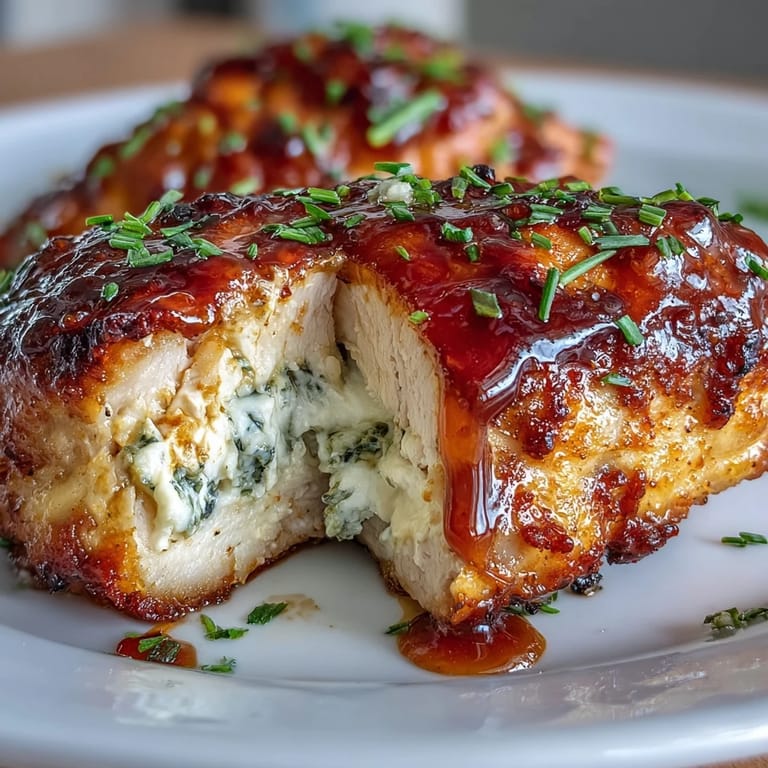
I made this for a small dinner party once, and my friend who claims she hates ricotta asked for the recipe before dessert even arrived. Watching the glaze bubble and caramelize in the oven while everyone sat in the living room made me feel like I had my act together. When I sliced into the chicken at the table and the creamy filling oozed out slightly, there was this quiet moment of appreciation. Food like this turns a regular weeknight into something people remember.
Ingredients
- Boneless, skinless chicken breasts (about 180 to 200 g each): Look for breasts that are similar in size so they cook evenly, and avoid the really thick ones unless you want to pound them thinner first.
- Olive oil: This helps the outside get a little golden and keeps the seasoning from sliding off.
- Kosher salt: Season generously because the ricotta inside is mild and needs the contrast.
- Freshly ground black pepper: Adds a subtle bite that balances the sweetness of the honey.
- Ricotta cheese: Use whole milk ricotta if you can find it, the richness makes a difference and it holds together better when baked.
- Fresh parsley and basil: These brighten the filling and keep it from tasting too heavy, dried herbs just do not have the same effect here.
- Garlic, minced: One clove is enough to add depth without overpowering the delicate ricotta.
- Lemon zest: This little addition cuts through the richness and makes the filling taste fresh and intentional.
- Grated Parmesan cheese: It adds a salty, nutty layer that makes the ricotta filling taste more complex.
- Crushed red pepper flakes (optional): I like adding them to the filling for a hint of warmth that surprises people.
- Honey: The base of the glaze, it caramelizes beautifully and balances the heat.
- Hot sauce (such as Sriracha or Franks Red Hot): Start with one teaspoon and taste, you can always add more but you cannot take it back.
- Smoked paprika: It gives the glaze a subtle smoky undertone that makes it taste more interesting than plain hot honey.
- Cayenne pepper (optional): Only add this if you like real heat, it is easy to go overboard.
Tired of Takeout? 🥡
Get 10 meals you can make faster than delivery arrives. Seriously.
One email. No spam. Unsubscribe anytime.
Instructions
- Prep the oven and pan:
- Preheat your oven to 200 degrees Celsius (400 degrees Fahrenheit) and line a baking dish with parchment paper or give it a light coat of oil. This keeps cleanup simple and prevents sticking.
- Create the pockets:
- Pat the chicken breasts dry with a paper towel, then use a sharp knife to cut a deep horizontal pocket into the thick side of each breast without slicing all the way through. Go slow and steady, it is easier to widen a small cut than to fix one that went too far.
- Mix the filling:
- In a bowl, stir together the ricotta, parsley, basil, garlic, lemon zest, Parmesan, and red pepper flakes if using. Mix until everything is evenly distributed and the herbs are well incorporated.
- Stuff the chicken:
- Spoon equal amounts of the ricotta mixture into each pocket, pressing gently to fill it without forcing the opening wider. If the pocket wants to stay open, use a toothpick or two to hold it closed.
- Season the outside:
- Rub the outside of each stuffed chicken breast with olive oil, then sprinkle with salt and pepper. This simple seasoning makes the exterior flavorful and helps it brown a little.
- Arrange in the dish:
- Place the stuffed breasts in the prepared baking dish with a little space between them so the heat circulates evenly.
- Prepare the glaze:
- In a small saucepan over low heat, combine the honey, hot sauce, smoked paprika, and cayenne if using. Stir gently until everything is warm and blended, about two minutes.
- First glaze:
- Brush half of the hot honey glaze over the tops of the chicken breasts before they go in the oven. This layer will caramelize and add flavor as they bake.
- Bake:
- Slide the dish into the oven and bake for 25 to 30 minutes, until the chicken is cooked through and reaches an internal temperature of 74 degrees Celsius (165 degrees Fahrenheit). The timing depends on the thickness of your breasts.
- Final glaze and rest:
- Remove the chicken from the oven and brush with the remaining hot honey glaze while it is still hot. Let it rest for five minutes before serving so the juices settle, and do not forget to remove the toothpicks.
 Save to Pinterest
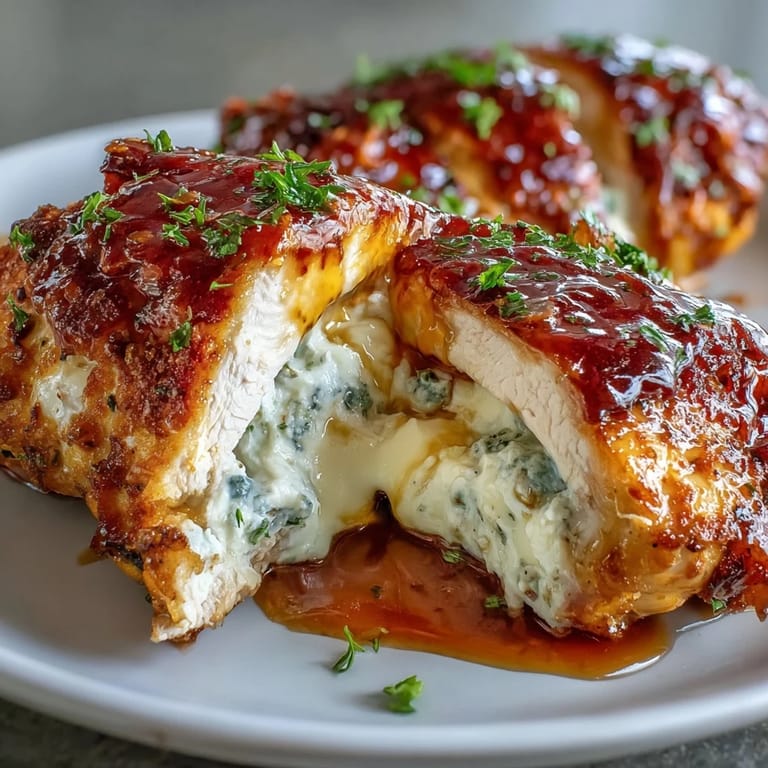
 The first time I served this, my kids were skeptical about the cheese inside the chicken, but after one bite they stopped talking and just ate. My daughter even asked if we could have it again the next week, which is basically a standing ovation in our house. It has become one of those dishes I make when I want dinner to feel special without spending hours in the kitchen.
Making It Your Own
You can fold chopped sun dried tomatoes or a handful of fresh spinach into the ricotta filling for extra flavor and color. I have also swapped the basil for thyme when I did not have any on hand, and it was still delicious. If you want more heat, increase the cayenne or add a pinch of red pepper flakes to the glaze itself.
Serving Suggestions
This pairs beautifully with roasted vegetables like Brussels sprouts, carrots, or asparagus, anything that can roast alongside the chicken works. A crisp green salad with a tangy vinaigrette balances the richness, and garlic mashed potatoes turn it into true comfort food. I have also served it with crusty bread to soak up the extra glaze on the plate.
Storage and Reheating
Leftovers can be stored in an airtight container in the fridge for up to two days. Reheat gently in the oven at a low temperature or in the microwave with a damp paper towel over the top to keep the chicken from drying out. The ricotta stays creamy even after reheating, which is not something you can say about most stuffed chicken recipes.
- Slice leftover chicken and toss it with pasta and a little olive oil for an easy next day meal.
- Serve cold slices over a salad for a quick lunch that still feels intentional.
- Freeze individual portions wrapped tightly in foil for up to one month, thaw overnight in the fridge before reheating.
 Save to Pinterest
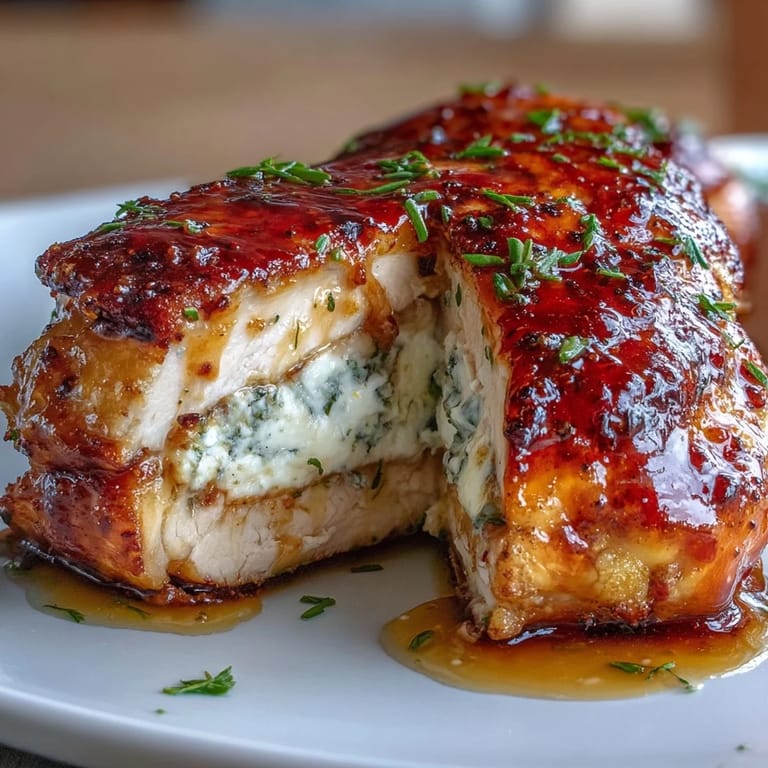
 This recipe has saved me on nights when I needed something impressive without the stress, and it never disappoints. Once you make it, you will find yourself looking for excuses to serve it again.
Common Recipe Questions
- → How do I prevent the chicken from drying out while baking?
Pat the chicken dry before stuffing, ensure you don't overbake by checking the internal temperature at 25 minutes, and let it rest for 5 minutes after baking to allow juices to redistribute throughout the meat.
- → Can I prepare the stuffed chicken ahead of time?
Yes, you can stuff the chicken breasts up to 4 hours in advance. Cover them tightly with plastic wrap and refrigerate until ready to bake. Add 5 minutes to the cooking time if baking straight from the refrigerator.
- → What can I substitute for ricotta cheese?
Cream cheese or goat cheese work well as alternatives. Cream cheese will give a richer, denser filling, while goat cheese adds a tangy flavor. Use the same quantity and adjust seasoning to taste.
- → How spicy is the hot honey glaze?
The heat level is moderate and customizable. Start with 1 teaspoon of hot sauce for mild heat, and increase to 2 teaspoons or add cayenne pepper for more intensity. The honey balances the spice beautifully.
- → Can I cook this on the stovetop instead of the oven?
Yes, sear the stuffed chicken in an oven-safe skillet over medium-high heat for 3-4 minutes per side, then transfer to a 200°C oven to finish cooking for 20-25 minutes, brushing with glaze halfway through.
- → What's the best way to cut the pocket in the chicken breast?
Place your hand flat on top of the chicken breast and use a sharp knife to cut horizontally into the thickest side, creating a pocket. Cut about three-quarters of the way through, leaving the edges intact to hold the filling.