 Save to Pinterest
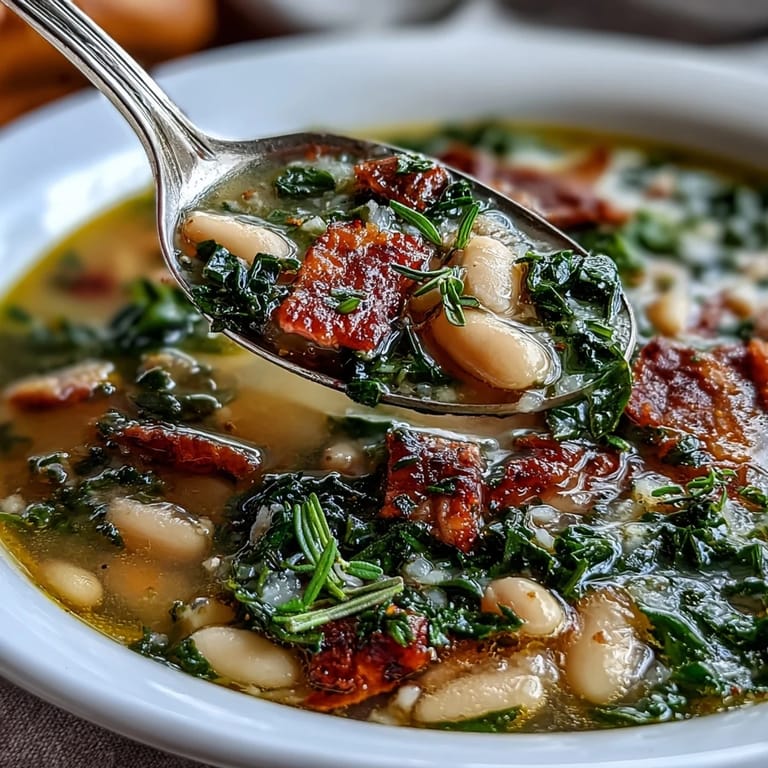
 There's something about a pot of soup that fills the kitchen with purpose. One particularly gray afternoon, I found myself standing in front of my open pantry with a craving for something substantial but not complicated, and there it was—a can of white beans, some kale that needed using, and a chunk of ham left from Sunday dinner. What started as a simple lunch became the kind of soup you make again and again because it asks so little yet gives so much back.
I made this for my neighbor who had just gotten back from the hospital, and watching her face when she tasted it—that moment when comfort food actually does its job—reminded me why I cook at all. She asked for the recipe that same evening, and now it's become something of a standing joke between us that whenever one of us is having a rough week, a pot of this soup mysteriously appears on the porch.
Ingredients
- Cooked ham, diced (1 lb): The ham is what gives this soup its backbone, providing a salty, smoky depth that would take hours to build any other way, so don't skip it or try to stretch it too thin.
- Yellow onion, diced (1 large): This is your aromatic foundation, and the way it softens and sweetens as it cooks is what makes those first few minutes so important.
- Carrots, peeled and sliced (3 medium): They add natural sweetness and a slight earthiness that balances the smokiness of the ham beautifully.
- Celery stalks, sliced (2): People often overlook celery in soup, but it's quietly essential for building layers of flavor.
- Kale, chopped with stems removed (4 cups): Add it near the end so it stays bright green and tender rather than turning into mush, and the slight bitterness cuts through the richness perfectly.
- Garlic, minced (3 cloves): Toast it just long enough to wake it up but not so long that it burns, or it will taste acrid instead of warm.
- Cannellini beans, drained and rinsed (2 cans): These creamy white beans are what make the broth luxurious without any cream at all, and rinsing them removes excess sodium.
- Low-sodium chicken broth (6 cups): Low-sodium lets you control the salt level and prevents the soup from tasting one-note.
- Water (1 cup): This helps the broth stay clean and lets the other flavors shine rather than becoming too concentrated.
- Bay leaf (1): It adds a subtle herbal note that's easy to dismiss until you forget it and realize something's missing.
- Dried thyme (1 tsp): This is the quiet herb that brings everything together, so don't substitute with fresh unless you double the amount.
- Black pepper (1/2 tsp): Always taste at the end because pepper can be sharper in some batches than others.
- Smoked paprika, optional (1/2 tsp): This is your secret weapon if you want to deepen the smoky notes without adding more ham.
- Salt, to taste: Hold off on adding salt until the very end when you can actually taste how everything comes together.
- Olive oil (2 tbsp): Good enough to taste, because it's one of the first things that hits your palate.
Tired of Takeout? 🥡
Get 10 meals you can make faster than delivery arrives. Seriously.
One email. No spam. Unsubscribe anytime.
Instructions
- Sauté the vegetables:
- Heat the olive oil in a large pot over medium heat and add your onion, carrots, and celery—you'll know they're starting to soften when the edges of the onion begin to turn translucent and the kitchen smells alive with possibility. Stir them around occasionally, about 5 to 6 minutes, letting them get to know each other before you add anything else.
- Bloom the garlic:
- Add your minced garlic and cook for just about a minute until it becomes fragrant and slightly golden. Don't let it sit too long or go brown, because that's when it turns bitter.
- Introduce the ham:
- Stir in the diced ham and let it warm through for a couple of minutes, which allows the flavors to begin their conversation. This is when the kitchen starts to smell like comfort.
- Build the broth:
- Add the drained cannellini beans, chicken broth, water, bay leaf, thyme, black pepper, and smoked paprika if you're using it, then bring everything to a boil. Once it's bubbling, you'll see the beans begin to soften and the flavors start to meld together.
- Simmer and develop:
- Reduce the heat to a gentle simmer, cover the pot, and let it cook for 20 minutes undisturbed—this is when the flavors deepen and everything becomes more than the sum of its parts. Resist the urge to keep checking on it.
- Add the kale:
- Stir in your chopped kale (removing those tough stems first) and let it simmer uncovered for 8 to 10 minutes until it's tender but still has some color and life to it. The soup will come together in a way that feels almost miraculous at this point.
- Taste and adjust:
- Remove the bay leaf and taste the soup, adding salt bit by bit until it tastes like comfort in a bowl. Remember that you can always add more salt but you can't take it back.
 Save to Pinterest
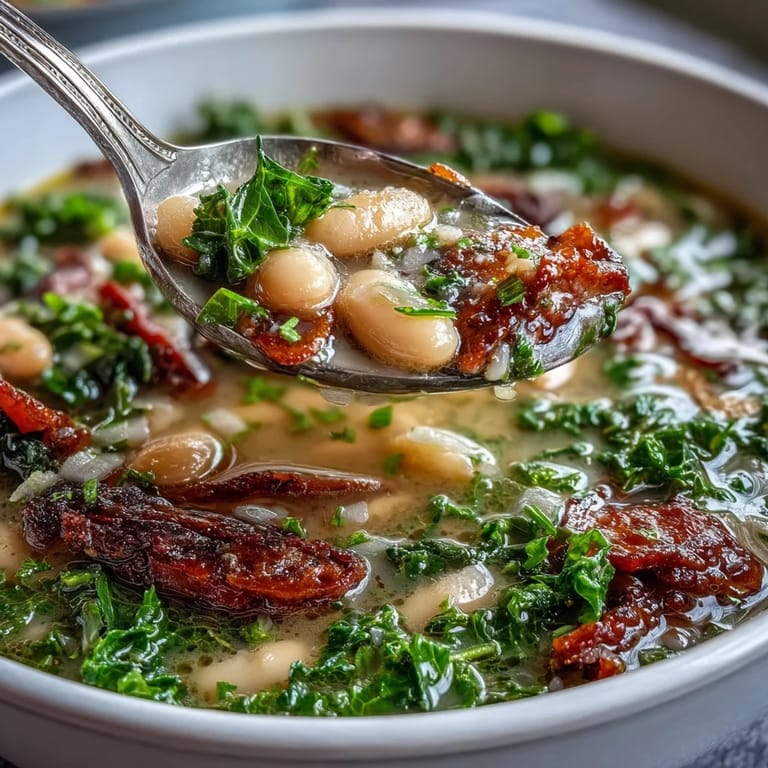
 My daughter came home from school one afternoon and asked for seconds before I even finished plating the first bowl, which told me everything I needed to know about whether this recipe deserved permanent residency in my cooking rotation. Sometimes food is just sustenance, but sometimes it's the thing that makes someone pause and notice they're eating something made with care.
Why This Soup Works Year-Round
Winter is when people think of soup, but this one holds its own in any season because the ham provides warmth and the kale keeps things bright and nutritious no matter what's happening outside. In spring I sometimes add fresh herbs stirred in at the end, and in summer I serve it chilled with a squeeze of lemon, which transforms it into something completely different while still being recognizably itself.
Making It Your Own
The beauty of a soup like this is that it's flexible enough to work with what you have on hand—I've made it with smoked turkey when I was out of ham, and it was equally good just in a different way. Some people swear by adding a parmesan rind while it simmers, others add a pinch of red pepper flakes, and one friend insists on a splash of apple cider vinegar at the very end.
Serving and Storage Wisdom
Serve this with something crusty to soak up the broth, and don't be shy about finishing each bowl with a squeeze of fresh lemon juice because it brightens everything and makes you taste the individual flavors instead of just the overall richness. This soup keeps beautifully in the refrigerator for up to five days, and it actually tastes better on day two or three once everything has had time to settle into itself.
- If you're meal prepping, portion it into containers while it's still warm and it'll cool faster without developing that sad, congealed layer on top.
- To reheat, warm it gently on the stove rather than microwaving, which helps it maintain its texture and reminds you what made it good in the first place.
- Freeze any extra in quart-sized containers and it'll keep for up to three months, which means you always have comfort available on short notice.
 Save to Pinterest
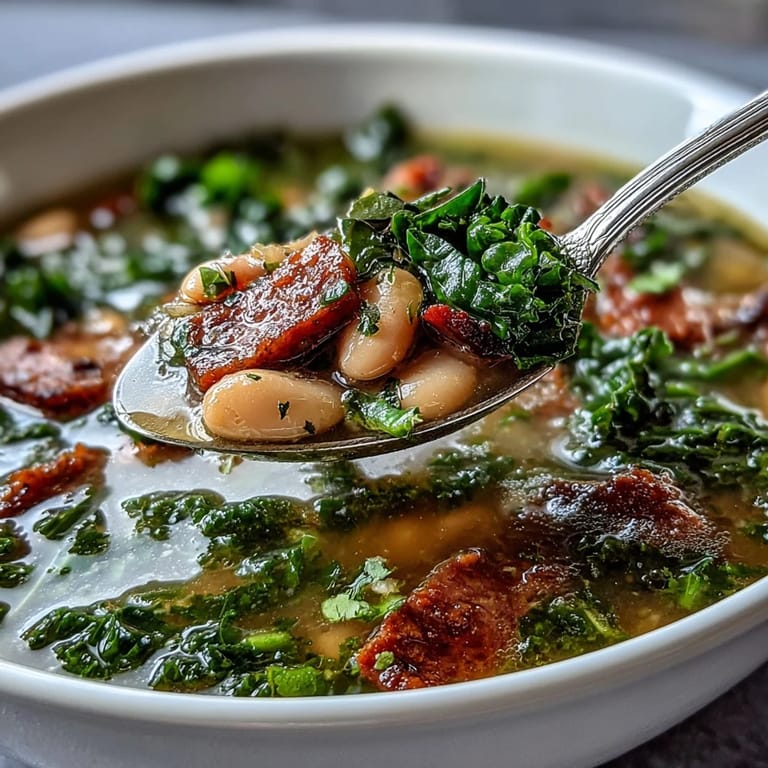
 This is the kind of recipe I reach for when I want to feed people without a lot of fuss, and somehow it always feels like more than what went into it. That's the quiet magic of good soup.
Common Recipe Questions
- → Can I substitute ham with another protein?
Yes, smoked turkey or sausage can replace ham for a different flavor while maintaining heartiness.
- → How do I make a vegetarian version?
Omit the ham and use vegetable broth. Adding extra beans or mushrooms boosts texture and flavor.
- → What is the best way to prepare the kale?
Remove stems and chop the kale. Add it towards the end of cooking to keep it tender yet vibrant.
- → Can this soup be frozen for later?
Yes, it freezes well. Cool completely before freezing and reheat gently to preserve texture.
- → How can I adjust the seasoning?
Taste after simmering and add salt as needed. A squeeze of lemon juice brightens the flavors beautifully.