 Save to Pinterest
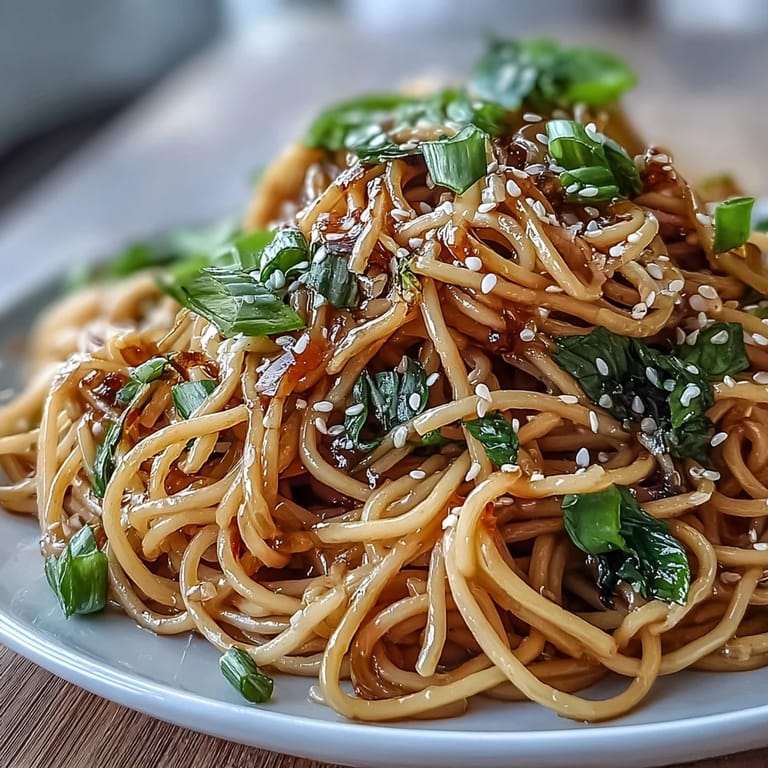
 My neighbor knocked on my door one evening with a steaming bowl of noodles that smelled like a restaurant I'd been craving all week—ginger, garlic, something rich and savory wafting through the hallway. She called it her weeknight lifeline, a dish she could throw together faster than ordering takeout, and after one bite I understood why. The sauce clung to every strand, each taste hitting that perfect balance of umami and brightness that made me want to eat straight from the bowl. I've been making it ever since, tweaking it here and there until it became something I'd proudly serve to anyone.
There was a Saturday when I made this for a friend who'd just moved into her first apartment with basically no kitchen equipment, armed only with a borrowed wok and determination. I watched her face light up as she tasted it—she'd been living on delivery apps and suddenly realized she could make something this good herself. Now she texts me photos of her versions with whatever vegetables she finds at the market, each one slightly different but always delicious. That's when I knew this recipe wasn't just easy; it was genuinely empowering.
Ingredients
- Wheat noodles (350g): Use lo mein, ramen, or even spaghetti—the key is cooking them just until al dente so they don't get mushy when tossed with the sauce.
- Neutral oil (4 tbsp): Canola or grapeseed works best because they won't compete with the delicate ginger and garlic flavors.
- Scallions (5 total, divided): Separate the white and green parts deliberately—the whites break down into the sauce while the greens stay fresh and bright on top.
- Fresh ginger (2 tbsp minced): Don't skip the mincing step; chunky ginger will dominate instead of blending into aromatic background magic.
- Garlic cloves (2 minced): Fresh is absolutely essential here—garlic powder won't give you that fragrant bloom you need in the hot oil.
- Red chili (1 small, optional): A whisper of heat without overwhelming; leave it out if you want pure comfort, include it if you want a gentle kick.
- Soy sauce (4 tbsp): This is your umami anchor; use regular soy sauce unless you specifically have dark soy on hand.
- Dark soy sauce (1 tbsp optional): Adds color depth and a slightly sweeter note, but regular soy works if you don't have it.
- Oyster sauce (1 tbsp): The secret ingredient that makes everything taste restaurant-quality; use vegan oyster sauce for a plant-based version.
- Brown sugar (1 tbsp): Balances the salty-savory with a subtle sweetness that rounds out the whole dish.
- Rice vinegar (1 tbsp): Brings brightness and prevents the sauce from feeling heavy; don't substitute with regular vinegar.
- Toasted sesame oil (1 tsp): A tiny amount is all you need—this stuff is concentrated flavor, so measure carefully.
- Water (2 tbsp): Keeps the glaze from being too thick and helps it coat the noodles evenly.
- Sesame seeds for garnish: Toast them yourself if you can; they'll be nuttier and fresher than pre-toasted.
- Cilantro (optional): A final flourish that adds freshness, though the dish is complete without it.
Tired of Takeout? 🥡
Get 10 meals you can make faster than delivery arrives. Seriously.
One email. No spam. Unsubscribe anytime.
Instructions
- Boil and prepare your noodles:
- Bring a big pot of water to a rolling boil and cook your noodles according to the package, but pull them out just as they hit al dente—you want them still with a tiny bit of resistance. Drain them in a strainer and give them a quick cold rinse to stop the cooking; this matters more than you'd think.
- Make your sauce while the noodles cook:
- Whisk together the soy sauce, dark soy if using, oyster sauce, brown sugar, rice vinegar, sesame oil, and water in a small bowl—don't overthink it, just combine everything until the sugar dissolves. Set it aside and let it sit; the flavors will deepen.
- Wake up your aromatics:
- Heat your neutral oil in a large skillet or wok over medium heat until it's shimmering and fragrant. Add the white parts of the scallions, your minced ginger, garlic, and red chili if you're using it, then stir constantly for 1 to 2 minutes—you're looking for that intoxicating smell and soft edges on everything, but nothing should brown or burn.
- Bring it all together:
- Tip the drained noodles into the skillet with all those gorgeous aromatic bits and toss everything together so the noodles coat in the oil and ginger-garlic mixture. This is where the texture starts to come together.
- Pour in your glaze and finish:
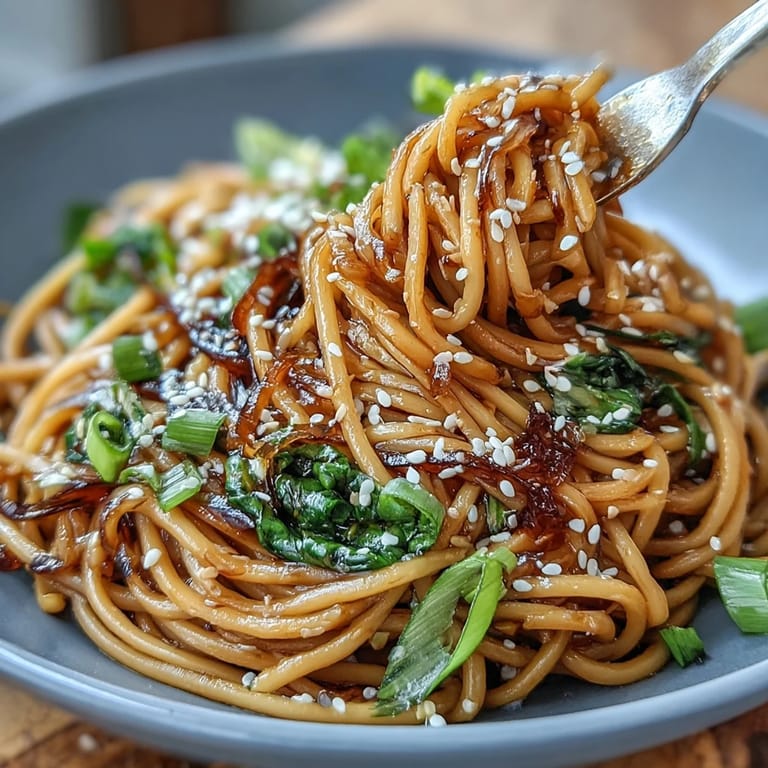
- Add your prepared soy glaze all at once and toss the noodles constantly for 2 to 3 minutes, making sure every strand gets coated and the flavors warm through. The noodles should shine and smell like a restaurant.
- Add fresh scallion greens at the end:
- Turn off the heat and scatter in those reserved green scallion parts, tossing gently so they stay crisp and bright instead of wilting into the hot noodles.
- Plate and garnish with confidence:
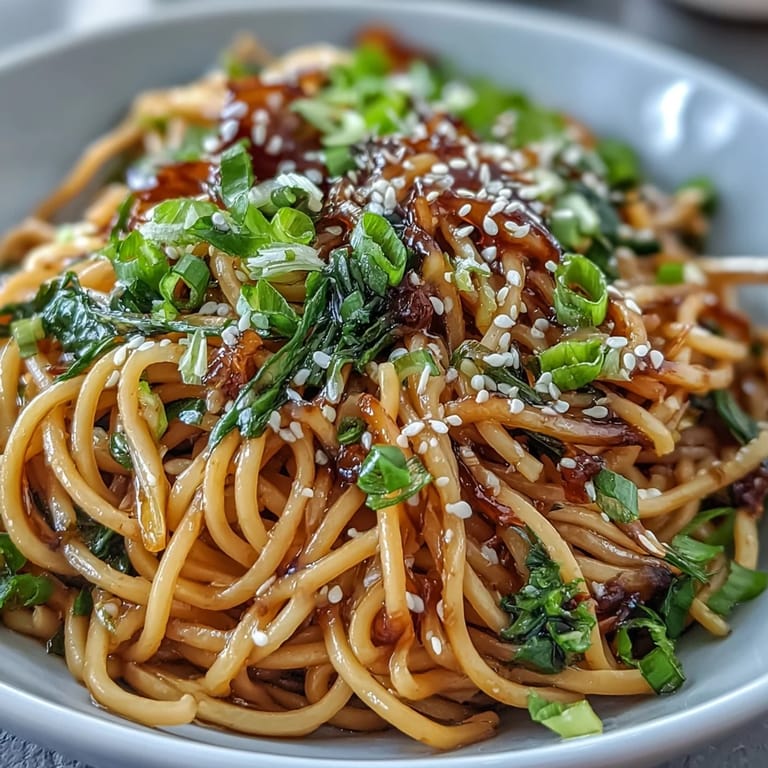
- Divide the noodles into bowls and top with toasted sesame seeds, more sliced scallion greens, and cilantro if you have it—these finishing touches make it look and taste like you spent way more effort than you actually did.
 Save to Pinterest
 There was an afternoon when my seven-year-old nephew asked why this simple noodle dish tasted so good, and I realized I couldn't explain it—it's not fancy or complicated, but somehow every element sings. That moment stuck with me because food doesn't always need to be elaborate to matter.
Building Depth with Balance
The magic of this dish lives in how each ingredient has a role: soy sauce brings salt and umami, brown sugar adds roundness, rice vinegar cuts through with brightness, and sesame oil whispers richness without overpowering. I used to pile on extra soy sauce thinking more flavor was better, until I learned that balance makes you want another bite instead of reaching for water. Now I taste as I go and adjust just one element at a time, which means I actually understand what I'm building instead of just following numbers.
Vegetables You Can Sneak In
The beauty of this base is that it welcomes additions without needing to change anything else—sautéed mushrooms add earthiness, snap peas bring crunch, thin-sliced carrots turn golden and sweet, and bok choy becomes silky in the hot pan. I've made this dish a dozen different ways depending on what's in my fridge, and honestly, the additions make it feel like a totally new meal even though the core is the same. It's the kind of recipe that teaches you improvisation instead of making you feel locked into one version.
Serving and Flavor Pairings
This dish stands perfectly on its own, but a small side of pickled cucumber cuts through the richness beautifully, and a drizzle of chili oil on the side lets people control their own heat level. I also learned that serving it in wide bowls instead of deep ones keeps the noodles from steaming into mush while people eat—small detail, huge difference. Here's what I've discovered makes the whole meal feel complete:
- A cold beer or crisp white wine beside it makes the umami sing even louder.
- Pickled vegetables are your secret weapon for cutting through richness and making you want more.
- Always let people finish their dish warm; reheats awkwardly and loses its best texture.
 Save to Pinterest
 This recipe taught me that weeknight food doesn't have to feel like settling—sometimes the simplest dishes, made with attention and a little care, become the ones you crave and make again and again. Every time I smell that ginger and garlic hitting hot oil, I think of my neighbor and her kindness in sharing something that's now part of my regular rotation.
Common Recipe Questions
- → What type of noodles work best for this dish?
Soft wheat noodles like lo mein, ramen, or even spaghetti can be used, as they absorb the soy glaze well and maintain a tender texture.
- → Can I make this dish vegan?
Yes, by substituting the oyster sauce with vegan alternatives or extra soy sauce, this dish easily fits a vegan diet.
- → How do I achieve the best flavor balance?
Combining fresh ginger and scallions with the sweet and salty soy glaze creates a harmonious contrast of flavors. Stir-frying the aromatics briefly enhances their fragrance.
- → What are good garnishes for extra texture?
Toasted sesame seeds add crunch, while fresh scallion greens and cilantro provide brightness and color.
- → Is it possible to add vegetables to this dish?
Absolutely! Adding sautéed mushrooms, shredded carrots, bok choy, or snap peas can boost nutrition and flavor variety.