 Save to Pinterest
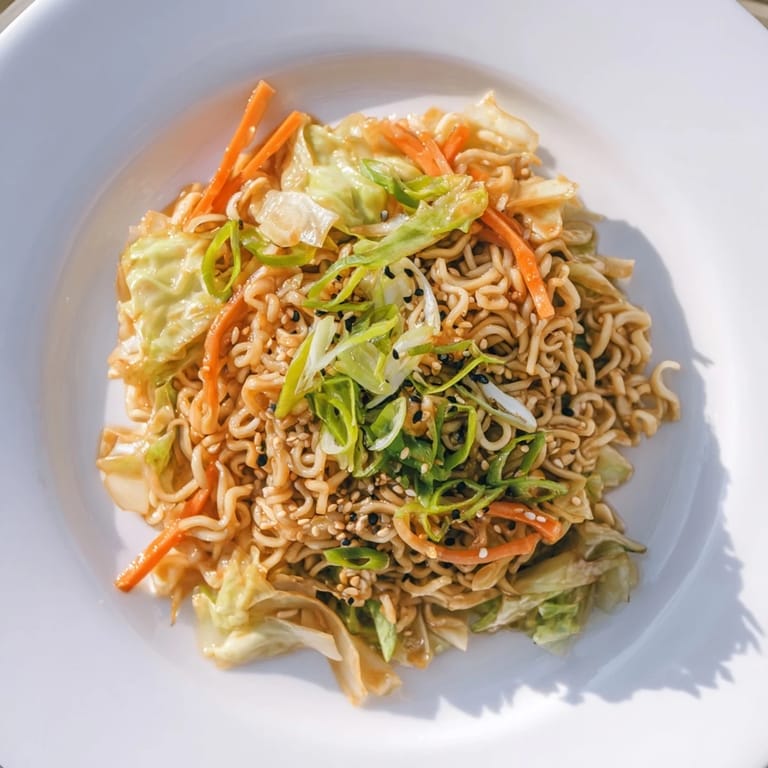
 The smell of cabbage hitting hot oil used to make me think of my grandmother's kitchen, but it wasn't until a particularly empty fridge night that I realized how much flavor you could coax from such humble ingredients. I had two packs of ramen, half a cabbage, and a craving for something that tasted like more than desperation. What came together in that skillet surprised me: the cabbage crisped and sweetened at the edges, the noodles soaked up a quick soy-sesame sauce, and suddenly I had a dish I actually wanted to make again. It's become my go-to when I need something fast, filling, and way better than it has any right to be.
I made this for a friend who swore she hated cabbage, mostly because I had nothing else to offer and she'd shown up unannounced. She ate two bowls and asked for the recipe, which felt like a small victory. There's something about the way the noodles tangle with the crispy-tender vegetables and that glossy, savory sauce that makes people forget their vegetable prejudices. It's not fancy, but it's the kind of food that makes you feel taken care of, even when you're the one doing the cooking.
Ingredients
- Green cabbage: Slice it thin so it cooks quickly and gets those beautiful browned edges that add sweetness and texture.
- Carrot: Julienned carrot adds color and a slight crunch that contrasts nicely with the softer cabbage.
- Scallions: Separating the whites and greens matters: the whites add sharpness when cooked, the greens stay bright and fresh as garnish.
- Garlic and ginger: Fresh is best here, they bloom in the hot oil and perfume the whole dish with that unmistakable warmth.
- Instant ramen noodles: Ditch the seasoning packets and use the noodles as a blank canvas for your own sauce.
- Soy sauce: The salty backbone of the sauce, it brings depth and umami to every bite.
- Oyster sauce: Adds a subtle sweetness and body, or swap in mushroom sauce if you're keeping it vegan.
- Toasted sesame oil: Just a tablespoon adds a nutty richness that makes everything taste more complete.
- Rice vinegar: A touch of acidity to brighten and balance the salty-sweet sauce.
- Sugar: A teaspoon helps the cabbage caramelize and rounds out the sauce.
- Chili flakes: Optional, but a half teaspoon adds a gentle warmth that I find hard to skip.
- Vegetable oil: A neutral oil with a high smoke point for stir-frying over high heat without burning.
Tired of Takeout? 🥡
Get 10 meals you can make faster than delivery arrives. Seriously.
One email. No spam. Unsubscribe anytime.
Instructions
- Boil the noodles:
- Bring a pot of water to a rolling boil and cook the ramen noodles according to the package instructions, usually just 3 minutes. Drain them well and set aside, they'll get tossed into the skillet later.
- Mix the sauce:
- In a small bowl, whisk together the soy sauce, oyster sauce, sesame oil, rice vinegar, sugar, and chili flakes until the sugar dissolves. This takes less than a minute and makes tossing everything together so much easier.
- Start the stir-fry:
- Heat the vegetable oil in a large skillet or wok over medium-high heat until it shimmers. Add the garlic, ginger, and white parts of the scallions, stirring constantly for about a minute until the kitchen smells amazing and the garlic just starts to turn golden.
- Cook the vegetables:
- Toss in the cabbage and carrot, then stir-fry for 4 to 5 minutes, letting the cabbage wilt and char slightly at the edges. Don't stir too often, let it sit for 30 seconds at a time so it gets those crispy, caramelized bits.
- Combine and toss:
- Add the cooked noodles to the skillet and pour the sauce over everything. Toss it all together for 2 to 3 minutes, making sure the noodles are coated and heated through, and the sauce clings to every strand.
- Garnish and serve:
- Remove the skillet from the heat, scatter the green parts of the scallions over the top, and serve immediately while it's still steaming. The contrast between the hot noodles and the fresh green onions is one of my favorite parts.
 Save to Pinterest
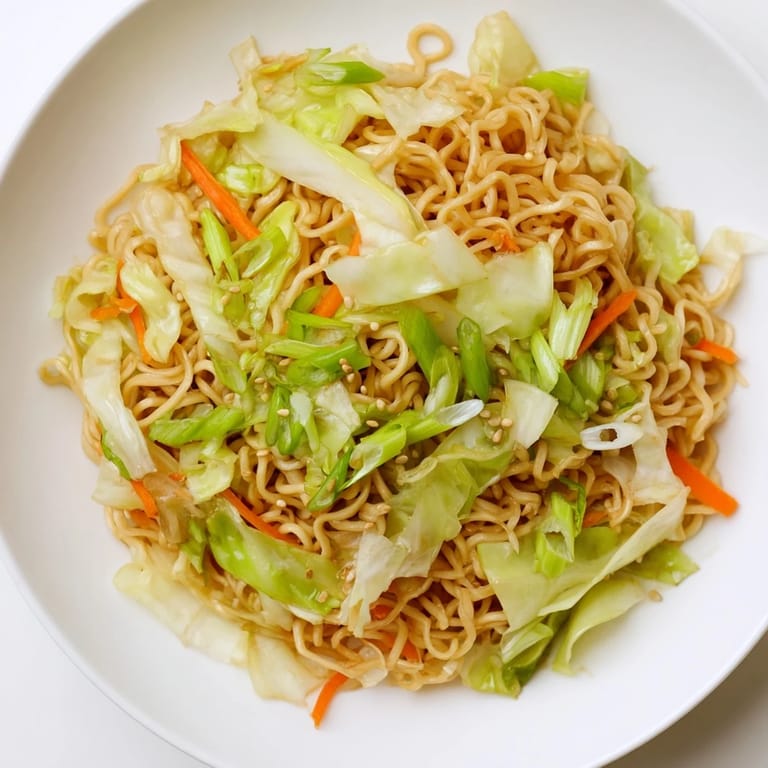
 The first time I served this at a casual dinner, someone said it tasted like the kind of thing you'd find at a tiny noodle shop tucked down an alley, which made me unreasonably proud. It's not authentic to any one cuisine, but it borrows the best parts of a dozen quick stir-fries I've loved. Now it's the dish I make when I want to feel like I've got my act together, even when the rest of my day has been a mess.
Making It Your Own
This recipe is forgiving and almost begs to be tweaked. I've added sliced mushrooms, bell peppers, and snap peas when I had them, and they all worked beautifully. A fried egg on top turns it into a more substantial meal, the runny yolk mixing with the sauce in a way that feels indulgent. If you want protein, cubed tofu crisped in the same pan before you start the vegetables is a simple addition. I've also made it with tamari and gluten-free noodles for a friend with celiac, and it was just as satisfying.
Texture and Timing
The key to this dish is getting the cabbage to that perfect point where it's tender but still has some bite, with charred edges that taste almost sweet. If you cook it too gently, it'll steam and go limp. If your heat is too low, crank it up and give the skillet a minute to recover its temperature. I learned this after a few batches that were perfectly edible but missing that addictive crunch. High heat and a little patience make all the difference.
Storing and Reheating
Leftovers keep in the fridge for up to two days, though the noodles will soak up more sauce and soften as they sit. I actually don't mind this, it turns into a different but still delicious dish. Reheat it in a hot skillet with a splash of water or soy sauce to loosen things up, or microwave it if you're in a hurry. The cabbage won't be as crisp, but the flavors deepen overnight in a way that some people actually prefer.
- Store in an airtight container and eat within two days for best texture.
- Add a drizzle of sesame oil when reheating to refresh the flavors.
- Top with fresh scallions or sesame seeds just before serving to bring back some brightness.
 Save to Pinterest
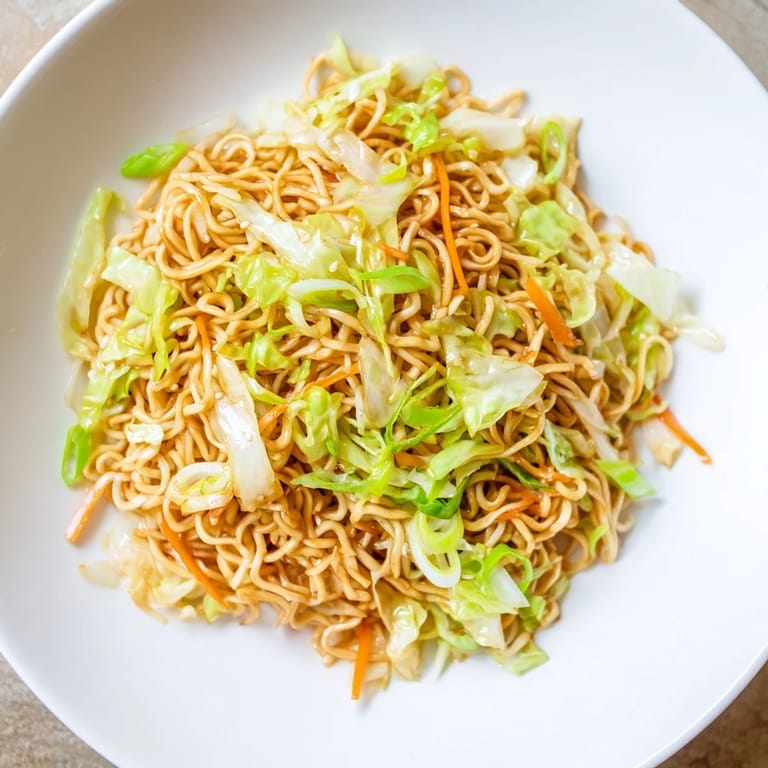
 This dish has saved more weeknights than I can count, and it never feels like I'm settling for something less. I hope it becomes one of those recipes you turn to when you need something quick, warm, and just a little bit special.
Common Recipe Questions
- → Can I make this vegan?
Yes, absolutely. Simply substitute the oyster sauce with mushroom sauce or tamari, and ensure your ramen noodles are vegan-certified. All other ingredients are plant-based by default.
- → How do I keep the cabbage crispy?
The key is to stir-fry the cabbage over medium-high heat for only 4-5 minutes, cooking until it's tender but still has a satisfying crunch. Don't overcook, and you can expect some browning at the edges which adds great flavor.
- → What can I add for more protein?
Top the finished dish with a fried egg, scrambled tofu, or grilled chicken. You can also stir in cooked chickpeas or add sliced mushrooms and snap peas for heartier texture.
- → Is this gluten-free?
Traditional ramen contains gluten, but you can easily make this gluten-free by using certified gluten-free noodles and substituting tamari for soy sauce and mushroom sauce for oyster sauce. Always check product labels.
- → Can I prepare the sauce ahead of time?
Yes, mix the soy sauce, sesame oil, rice vinegar, sugar, and chili flakes together in a bowl several hours ahead. Store it covered at room temperature and you're ready to cook when needed.
- → What's the best oil for high-heat stir-frying?
Vegetable oils like canola and sunflower oil are ideal due to their high smoke points. Avoid using toasted sesame oil for cooking as it's best reserved for finishing dishes to preserve its nutty flavor.