 Save to Pinterest
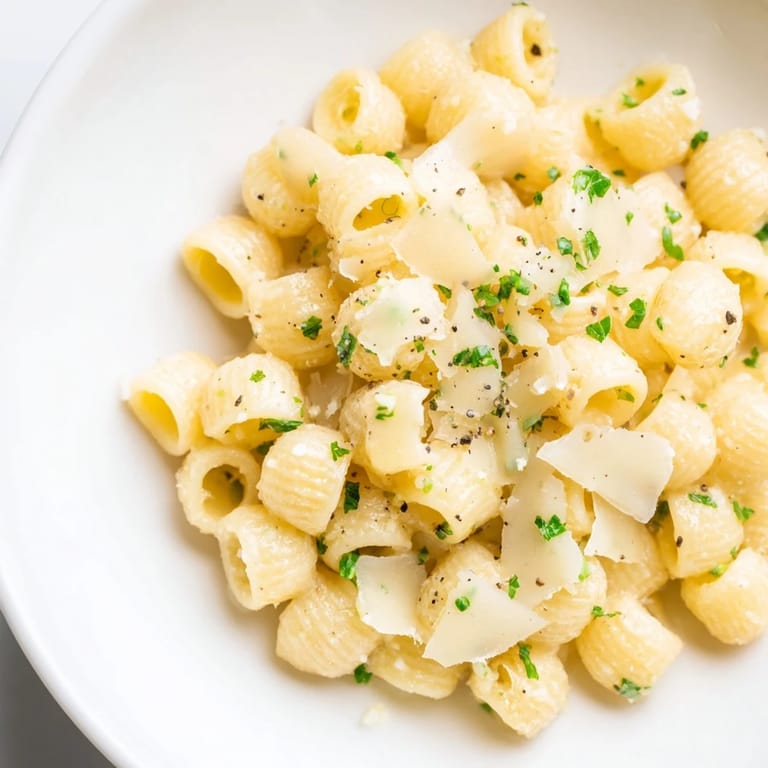
 There's something about standing at the stove on a Wednesday night, watching butter foam around slivers of garlic, that makes you forget you only have fifteen minutes to dinner. I discovered this ditalini on one of those evenings when my fridge was nearly bare but my hunger wasn't negotiable. The tiny pasta absorbed the silky sauce like it was made for this exact moment, and suddenly what could have been another tired weeknight turned into something I'd make again and again.
I made this for my neighbor last month when she mentioned feeling overwhelmed, and watching her relax over a bowl of something warm and buttery reminded me why simple food matters. She asked for the recipe before she'd even finished eating, which is the highest compliment any cook can get.
Ingredients
- Ditalini pasta, 300 g: These tiny tubes are the secret here—they cradle the cream sauce like small vessels, making every forkful luxurious.
- Unsalted butter, 4 tablespoons: Use real butter, the kind that smells almost sweet when it melts; it's the foundation of everything delicious happening in this pan.
- Garlic, 4 cloves finely minced: Mincing small ensures the garlic distributes evenly and softens quickly without turning bitter.
- Heavy cream, 120 ml: The cream smooths everything together and keeps the sauce from breaking when the pasta water mixes in.
- Parmesan cheese, 50 g freshly grated: Grate it yourself right before cooking; pre-grated versions have anti-caking agents that make the sauce grainy.
- Freshly ground black pepper, ½ teaspoon: Grind it fresh if you can—it wakes up the whole dish with a peppery brightness.
- Salt, ¼ teaspoon: Taste as you go because the pasta water and Parmesan already carry saltiness.
- Fresh parsley and lemon zest, optional: These finish the dish with a gentle brightness that cuts through the richness without overwhelming it.
Tired of Takeout? 🥡
Get 10 meals you can make faster than delivery arrives. Seriously.
One email. No spam. Unsubscribe anytime.
Instructions
- Set your water to boil:
- Fill a large pot with two liters of water and add a tablespoon of salt—it should taste like the sea. This is where the pasta gets its flavor, so don't skip salting the water itself.
- Cook the ditalini:
- Add pasta when the water is rolling and boiling, stirring occasionally to keep it from sticking. After eight minutes, taste a piece; it should bend slightly but still have resistance when you bite it, which is al dente.
- Preserve your liquid gold:
- Before draining, scoop out a quarter cup of starchy pasta water and set it aside—this will become your sauce's secret weapon for binding everything together.
- Toast the garlic gently:
- In a large skillet, melt the butter over medium heat until it foams, then add your minced garlic. Listen for the soft sizzle and smell for that toasted-but-not-burned moment, which comes after about ninety seconds.
- Create the cream base:
- Lower the heat and pour in the heavy cream along with your reserved pasta water, stirring everything together. Let it warm through without boiling, just until you see small bubbles gently rising at the edges.
- Bring it all together:
- Add your drained ditalini to the skillet and toss it through the sauce using a wooden spoon, making sure every piece gets coated. The pasta water will help the sauce cling, creating something silky and cohesive rather than separated.
- Finish with Parmesan:
- Sprinkle in the grated Parmesan, black pepper, and salt, stirring until the sauce is smooth and the cheese has melted into everything. If it feels too thick, add a splash more pasta water to loosen it.
- Final touches:
- Remove from heat, stir in parsley and lemon zest if you're using them, then taste and adjust seasoning one more time. Serve right away while everything is still steaming.
 Save to Pinterest
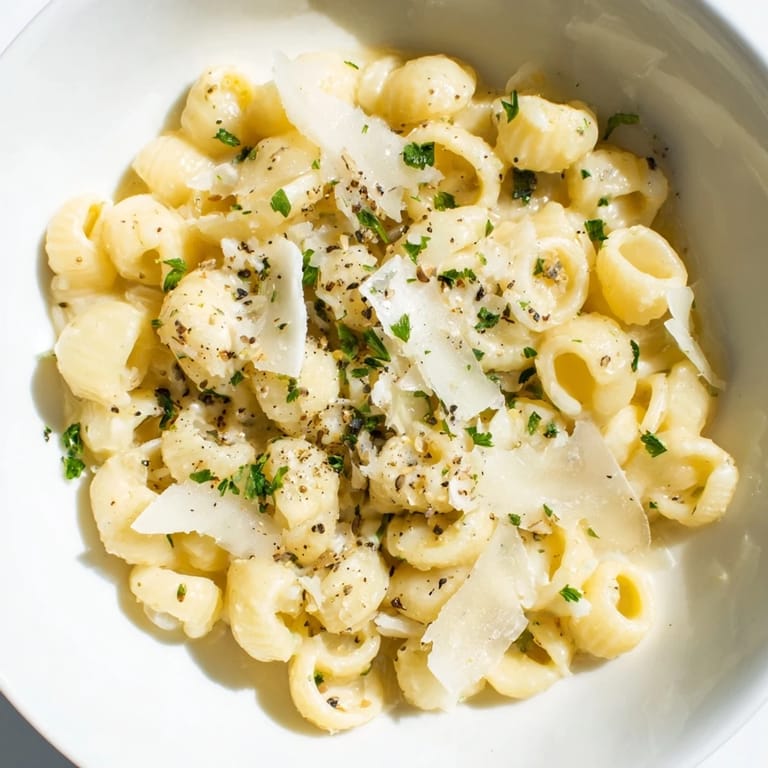
 The first time someone told me they'd made this three times in one week, I realized I'd stumbled onto something more than just a recipe—it had become the thing they reached for when they needed comfort without complication. That's when I knew it belonged in regular rotation.
Why This Dish Wins on Busy Nights
When you're standing in the kitchen with ten minutes before hunger turns into grumpiness, this pasta doesn't make excuses or demand precision. The beauty is in its forgiveness; garlic softens quickly, cream smooths over small mistakes, and Parmesan ties everything together with generosity. I've made this when I was distracted, rushed, and barely awake, and it came out right every time.
Expanding the Flavor Without Expanding the Time
Once you've made the basic version a few times, you'll notice how it serves as a canvas for whatever you find in your pantry. A pinch of red pepper flakes adds heat that makes you notice the garlic more, fresh herbs like dill or chives brighten everything without making you feel like you're cooking something complicated, and a squeeze of lemon right at the end brings all the richness into focus rather than letting it flatten.
The Secret to Creamy Pasta Without Cream Soup
The magic happens when you understand that pasta water isn't just for thinning sauces—it's an ingredient. That starchy water emulsifies with butter and cream, creating something silky and clinging rather than separated and slick. I learned this lesson the hard way by ignoring the pasta water once and ending up with something that looked more like melted cheese than actual sauce, which taught me respect for every step in simple cooking.
- The ratio of pasta to sauce should feel generous; you want each piece of ditalini glossy and coated, never swimming in excess.
- If you've ever made a Cacio e Pepe, you understand this principle—the starch is doing the real work.
- Taste before serving because salt behaves differently depending on your cream and Parmesan, so there's always room for adjustment.
 Save to Pinterest
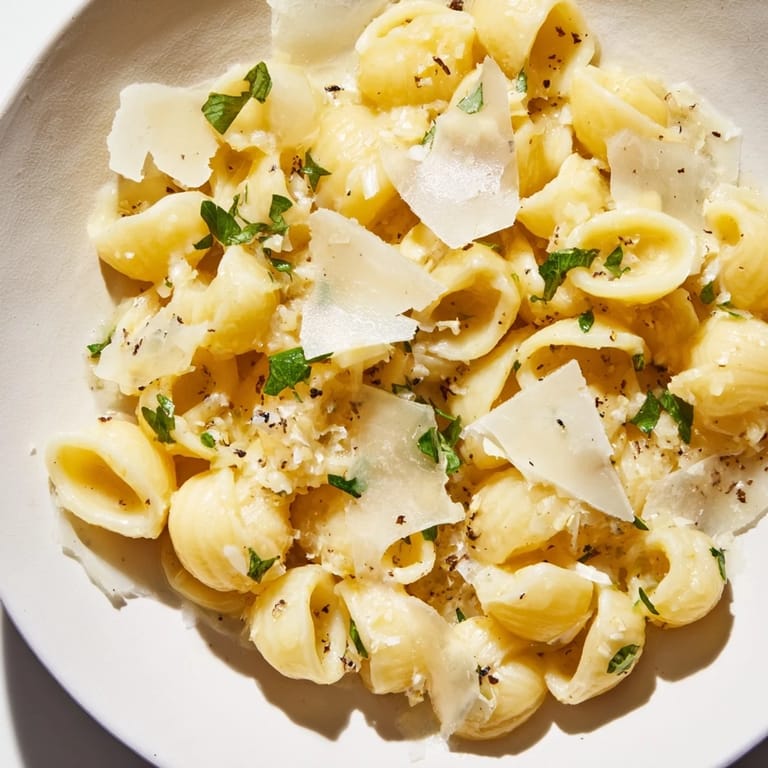
 This is the recipe I return to when cooking needs to be joyful instead of stressful, when fifteen minutes is all you have but you refuse to eat something thoughtless. It reminds me that good food doesn't need complexity.