 Save to Pinterest
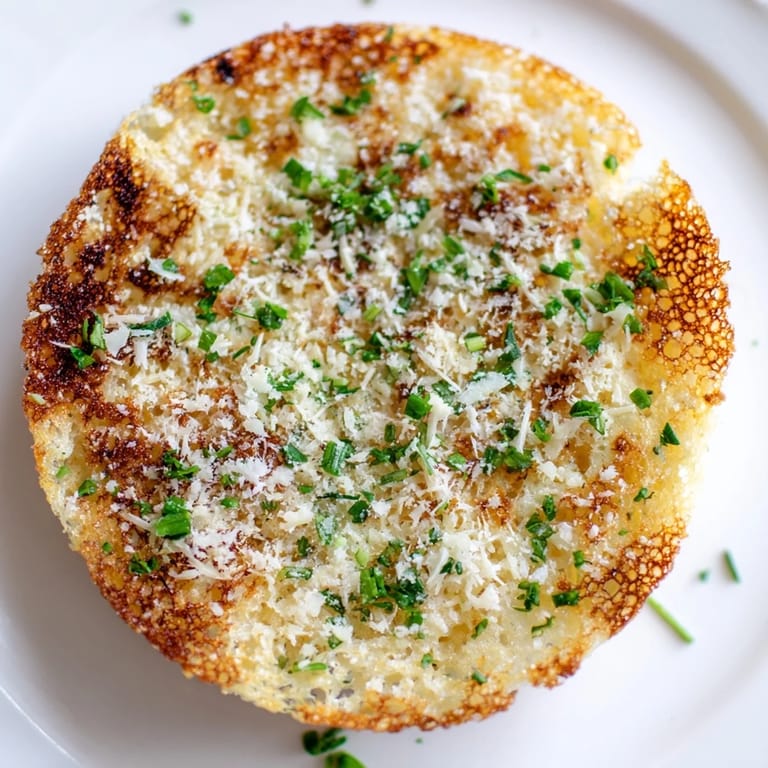
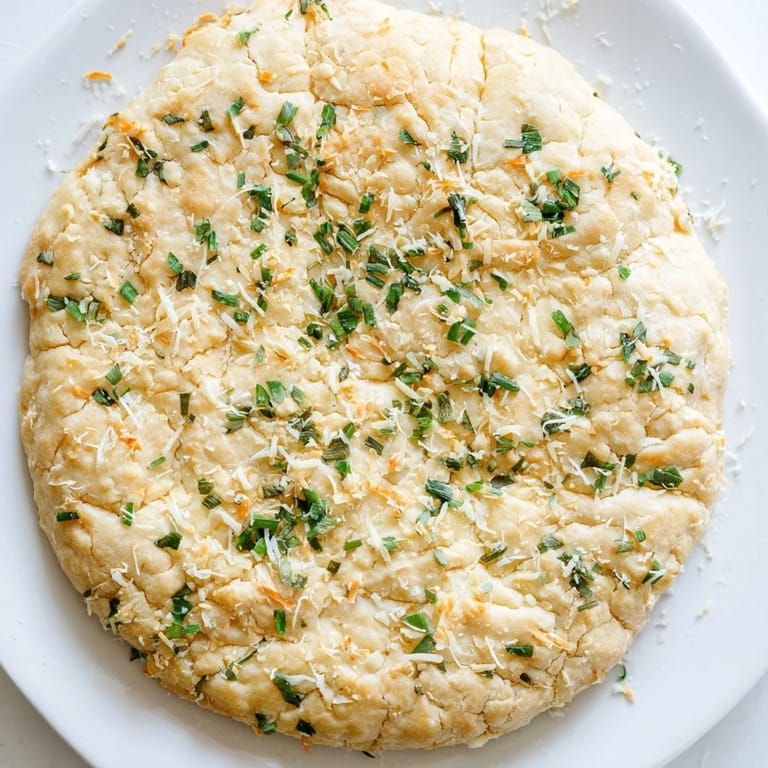
 Cloud bread caught me off guard the first time I made it—I was scrolling through a recipe feed late one evening, skeptical that three eggs could transform into something that looked like a puffy cloud. But there it was in my oven, rising impossibly high, and suddenly I understood why people were obsessed. The savory garlic and herb version became my go-to when I wanted something that felt indulgent but didn't leave me feeling heavy afterward.
I made these for a friend who was experimenting with keto, and she kept asking how something this fluffy could be so low in carbs. We dipped them into marinara sauce while standing in my kitchen, and she laughed at how light they were—barely any substance but somehow completely satisfying. That moment sealed it for me: this wasn't just a diet hack, it was genuinely good food.
Ingredients
- Eggs, separated: The foundation of everything—the whites need to be absolutely pristine and free of any yolk or oil, or they won't reach those gorgeous stiff peaks. Room temperature eggs whip up faster.
- Cream of tartar: This small addition stabilizes the egg whites so they hold their structure without weeping or deflating partway through baking.
- Parmesan cheese: Use freshly grated if you can; the pre-grated stuff has anti-caking agents that can make the bread slightly denser than you want.
- Cream cheese: Softened cream cheese binds everything together and adds a subtle richness that keeps these from tasting too eggy.
- Fresh garlic and herbs: Mince the garlic fine so there are no harsh bites, and chop the chives and parsley just before mixing to keep them bright and potent.
- Salt and pepper: Season generously—these breads are delicate, and underseasoning makes them taste flat.
Tired of Takeout? 🥡
Get 10 meals you can make faster than delivery arrives. Seriously.
One email. No spam. Unsubscribe anytime.
Instructions
- Set yourself up for success:
- Preheat your oven to 300°F and line a baking sheet with parchment paper. Use a clean, completely dry bowl for the egg whites—even a trace of water or yolk will sabotage the whole thing.
- Whip those whites:
- Add cream of tartar to the egg whites and beat them until stiff peaks form—they should look glossy and cloud-like, holding their shape when you lift the beaters. This takes about 3 to 5 minutes with an electric mixer.
- Build the base:
- In a separate bowl, whisk together the egg yolks, softened cream cheese, Parmesan, minced garlic, fresh herbs, oregano, salt, and pepper until the mixture is smooth and everything is evenly distributed.
- Fold with care:
- This is the crucial moment—gently fold the beaten egg whites into the yolk mixture in three additions, using a spatula and turning the bowl as you go. Stop folding as soon as no white streaks remain; overworking deflates all that air you just whipped in.
- Shape and bake:
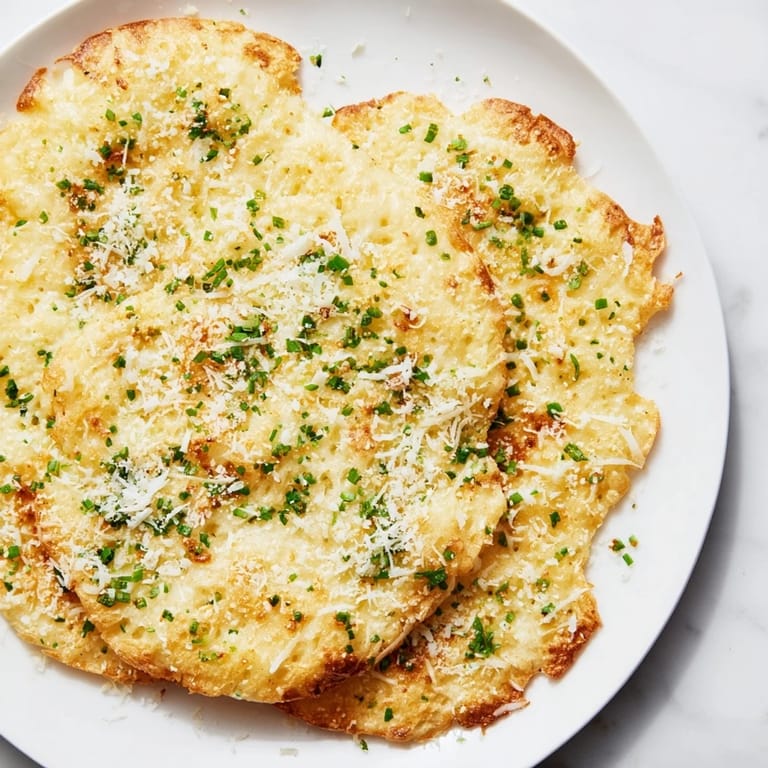
- Spoon the batter onto your prepared sheet in six even rounds, each about ½ inch thick. Bake for 25 minutes until golden brown on top and set when you gently press the center.
- Cool slightly before serving:
- Let them rest for a few minutes on the sheet so they firm up enough to handle, then serve warm when they're still a bit soft inside.
 Save to Pinterest
 The texture of these breads is what hooked me—that crispy exterior giving way to something almost pillowy inside. It's the kind of thing that makes you feel like you've discovered a culinary secret, even though you're just working with basics.
Why Temperature Matters
Baking at 300°F instead of the usual 350°F or higher is deliberate—it gives the inside time to cook through before the outside browns too much. If your oven runs hot, keep an eye on them after 20 minutes to make sure they're not darkening too fast. Some ovens vary, so trust what you see more than the timer.
Flavor Variations That Work
The garlic and herb combination is my standard, but these breads are remarkably flexible. I've added smoked paprika for a deeper color and subtle smokiness, or a pinch of chili flakes for heat that creeps in on the finish. Swapping Parmesan for Pecorino Romano gives you a sharper, more assertive cheese flavor that's delicious if you like bold tastes. The beauty is that you're only changing one or two components at a time, so you always know what you're getting.
Serving and Storage
These are best eaten warm, within a few hours of baking when they're still tender. They can be stored in an airtight container for a couple of days, though they firm up as they sit—a quick toast in a warm oven brings back some of that initial softness. Dip them in marinara, pesto, whipped feta, or even just olive oil and fresh lemon juice.
- Serve them immediately after cooling if you want the best texture and that slight give in the center.
- Leftover cloud bread makes a surprisingly good vehicle for toppings the next day, though the texture shifts toward more bread-like and less cloud-like.
- Don't refrigerate them uncovered or they'll dry out quickly.
 Save to Pinterest
 Cloud bread is one of those recipes that feels like cheating because it's so easy and yet somehow special every time. Once you nail the technique, you'll find yourself making these whenever you want something light, satisfying, and a little bit magical.
Common Recipe Questions
- → What makes cloud bread light and fluffy?
Whipped egg whites folded gently into the yolk mixture create an airy, tender texture.
- → Can I substitute Parmesan cheese in the dish?
Yes, Pecorino Romano can be used for a sharper, tangier flavor.
- → How should the cloud bread be served?
It’s best enjoyed warm, paired with dips like marinara, pesto, or whipped feta.
- → Is this suitable for gluten-free diets?
Yes, the ingredients used are gluten-free, but always check cheese labels for additives.
- → What is a good way to add extra flavor?
Incorporate a pinch of chili flakes or smoked paprika into the batter for a spicy note.