 Save to Pinterest
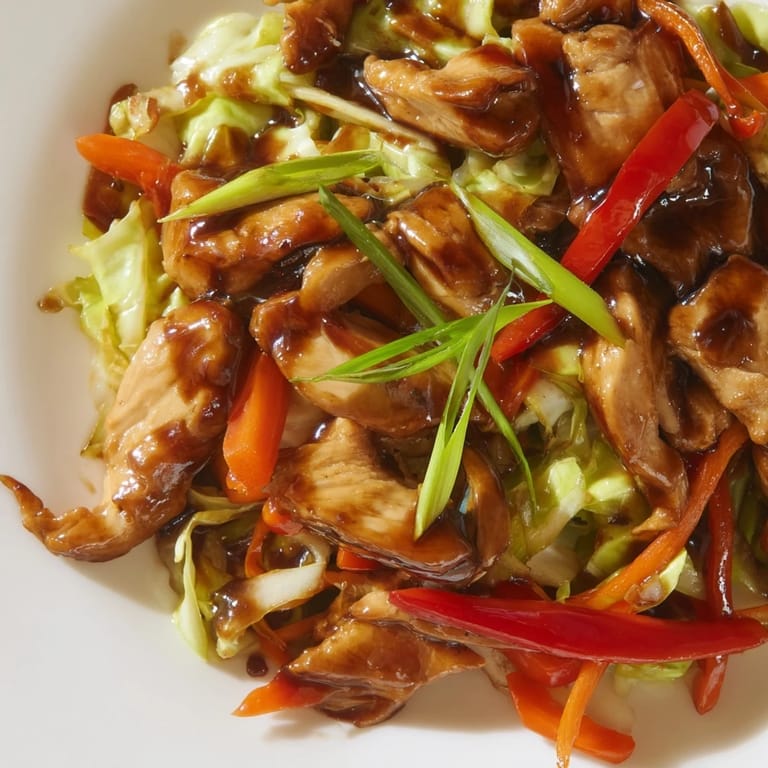
 My wok was smoking before I even dropped the chicken in, and the garlic hit the oil with that sharp, sweet sizzle that means youre exactly where you need to be. I was trying to clear out the crisper drawer one Wednesday night, staring at half a cabbage and a lonely bell pepper, when this stir-fry basically invented itself. The sauce came together in under a minute, the chicken cooked fast, and by the time I tossed in the cabbage it was already smelling like my favorite takeout spot. Ive been making it on repeat ever since, tweaking the heat and the crunch until it felt just right.
The first time I made this for my brother, he looked skeptical when he saw the pile of raw cabbage. But after one bite, he went quiet, then asked if I had more rice. I watched him go back for seconds, scraping the pan for every bit of sauce and caramelized chicken. It became our go-to dinner whenever he came over, and now he texts me asking for the sauce ratio because he cant remember if its one tablespoon or two of hoisin.
Ingredients
- Boneless, skinless chicken breast or thighs (500 g): Thighs stay juicier and more forgiving if you overcook them slightly, but breasts work if you slice them thin and dont walk away from the pan.
- Green cabbage (1 small head, about 600 g): Slice it thin so it cooks fast but still has bite, the star vegetable here and it soaks up the sauce beautifully.
- Carrot (1 medium, julienned): Adds a little sweetness and color, plus that satisfying crunch when you bite into it.
- Red bell pepper (1, thinly sliced): Brings a pop of color and a slight char if your pan is hot enough.
- Green onions (3, sliced): Toss these in at the end for a fresh, sharp finish that cuts through the richness.
- Soy sauce (3 tbsp): The salty backbone of the sauce, use tamari if you need it gluten-free and it works perfectly.
- Oyster sauce (1 tbsp): Gives that deep, savory umami punch you cant fake with anything else.
- Hoisin sauce (1 tbsp): Adds a hint of sweetness and complexity, almost like a whisper of barbecue.
- Rice vinegar (1 tbsp): Balances all that soy and hoisin with a bright, clean tang.
- Sesame oil (2 tsp): Just a little, for that toasted, nutty aroma that makes everything smell like a restaurant.
- Cornstarch (2 tsp): Thickens the sauce so it clings instead of pooling at the bottom of the pan.
- Water (2 tbsp): Loosens the cornstarch and helps the sauce coat evenly.
- Sugar (1 tsp): A tiny bit to round out the salty and sour, makes the whole thing taste balanced.
- Vegetable oil (2 tbsp): High smoke point, perfect for stir-frying without burning.
- Garlic (3 cloves, minced): Fragrant and sharp, blooms in hot oil and perfumes the whole dish.
- Fresh ginger (1-inch piece, grated): Adds warmth and a little zing, grate it fine so it melts into the sauce.
Tired of Takeout? 🥡
Get 10 meals you can make faster than delivery arrives. Seriously.
One email. No spam. Unsubscribe anytime.
Instructions
- Mix the sauce:
- In a small bowl, whisk together soy sauce, oyster sauce, hoisin sauce, rice vinegar, sesame oil, cornstarch, water, and sugar until smooth. Set it next to the stove so you can grab it fast when the pan is hot.
- Cook the chicken:
- Heat 1 tablespoon vegetable oil in a large skillet or wok over medium-high heat until it shimmers. Add the sliced chicken in a single layer and let it sit for a minute before stirring, cook for 4 to 5 minutes until golden and cooked through, then remove it to a plate.
- Bloom the aromatics:
- Add the remaining tablespoon of oil to the pan, then toss in the garlic and ginger. Stir for about 30 seconds until they smell toasty and your kitchen smells like a dream.
- Stir-fry the vegetables:
- Add the cabbage, carrot, and bell pepper to the pan and stir-fry for 3 to 4 minutes, tossing often. The cabbage should soften slightly but still have a crisp bite and a little char on the edges.
- Combine and coat:
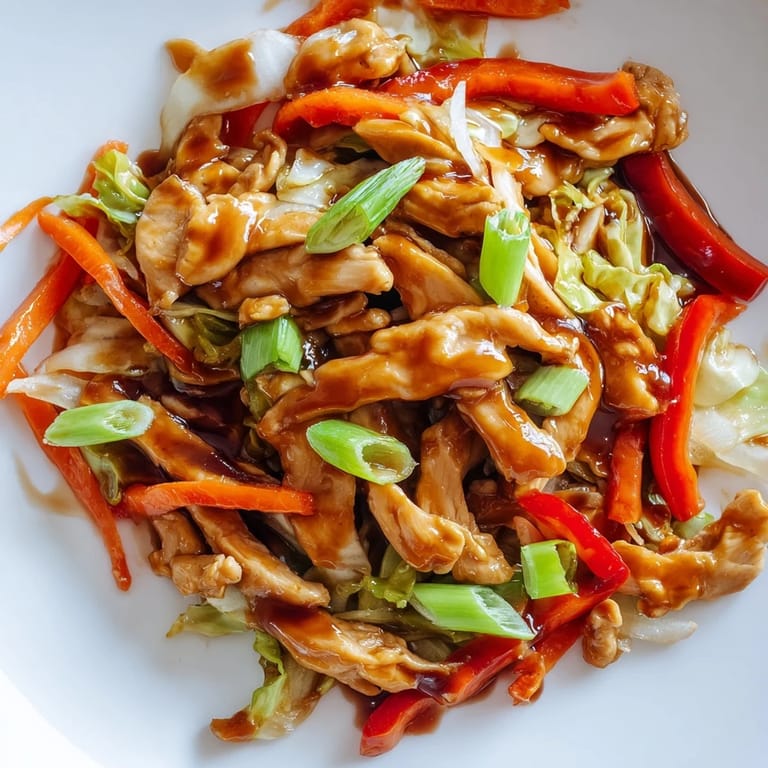
- Return the cooked chicken to the pan, pour in the prepared sauce, and toss everything together. Cook for 2 to 3 minutes, stirring constantly, until the sauce thickens and clings to every piece of chicken and vegetable.
- Finish and serve:
- Stir in the sliced green onions, taste the sauce, and adjust with a splash more soy or a pinch of sugar if needed. Serve immediately, hot and glossy, with steamed rice or noodles if you want.
 Save to Pinterest
 One night I made this after a long day and realized halfway through that I was smiling at the stove, just from the smell and the rhythm of tossing the vegetables. It reminded me why I love cooking, not because its fancy or complicated, but because its fast and satisfying and fills the kitchen with something that feels like home. My neighbor knocked on the door to ask what I was making because the smell had drifted into the hallway, and I ended up sharing a bowl with her on the spot.
Swapping the Protein
Ive made this with tofu, shrimp, and even thinly sliced pork, and every version works as long as you adjust the cooking time. Press the tofu well and cook it until the edges are crispy, shrimp only need two minutes per side, and pork should be sliced thin like the chicken. The sauce is forgiving and clings to anything you throw at it, so feel free to experiment based on whats in your fridge or what sounds good that night.
Adjusting the Heat
If you like spice, add a pinch of chili flakes when you cook the garlic and ginger, or drizzle a little sriracha over the finished dish. I keep a jar of chili crisp on the table and let people add their own, because my tolerance for heat changes depending on my mood. Start mild and build up, its easier to add heat than to take it away once the whole pan is on fire.
Serving and Storing
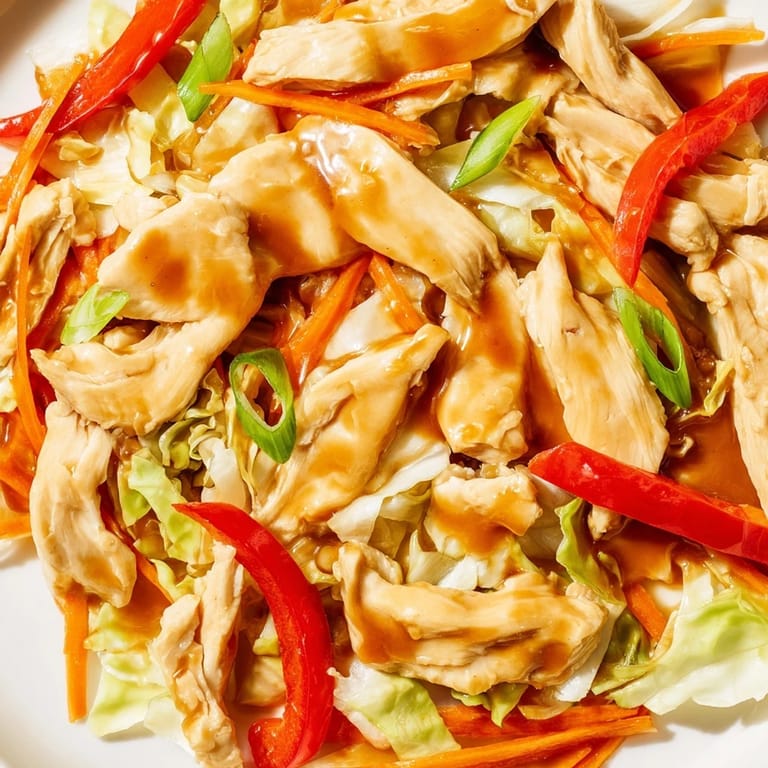
This stir-fry is best served immediately, straight from the pan while the vegetables are still crisp and the sauce is glossy. If you have leftovers, store them in an airtight container in the fridge for up to three days, though the cabbage will soften a bit as it sits. Reheat gently in a skillet over medium heat with a splash of water to loosen the sauce, and it will come back to life in a few minutes.
- Serve over jasmine rice, brown rice, or rice noodles for a complete meal.
- Garnish with sesame seeds or extra green onions for a little visual pop.
- Double the sauce if you want extra to spoon over rice, it keeps in the fridge for a week.
 Save to Pinterest
 This dish has become my weeknight anchor, the thing I make when I want something fast, flavorful, and just a little bit special without any fuss. I hope it does the same for you.
Common Recipe Questions
- → Can I use a different protein instead of chicken?
Absolutely. Tofu, shrimp, or beef work wonderfully as substitutes. Adjust cooking times accordingly—tofu needs about 3-4 minutes per side, while shrimp cooks in 2-3 minutes total.
- → How do I make this gluten-free?
Replace regular soy sauce with tamari and use gluten-free oyster and hoisin sauces. Always check product labels as formulations vary by brand. The rest of the dish is naturally gluten-free.
- → Why is my sauce too thick or too thin?
The cornstarch thickens the sauce as it heats. If too thin, mix a bit more cornstarch with cold water and stir it in. If too thick, add water a tablespoon at a time. Cornstarch thickening depends on heat and cooking time.
- → Can I prep ingredients ahead of time?
Yes, slice your vegetables and protein several hours in advance and store in the refrigerator. Whisk your sauce together up to a day ahead. This makes cooking much faster when you're ready to start.
- → What's the best way to achieve crisp-tender vegetables?
Keep your heat at medium-high and stir frequently. Don't overcrowd the pan—work in batches if needed. The vegetables should still have a slight crunch when combined with the chicken and sauce.
- → How spicy can I make this?
Add chili flakes, sriracha, or fresh chilies to taste. Start with a small pinch and adjust upward. You can also drizzle chili oil at the table so guests control their own heat level.