 Save to Pinterest
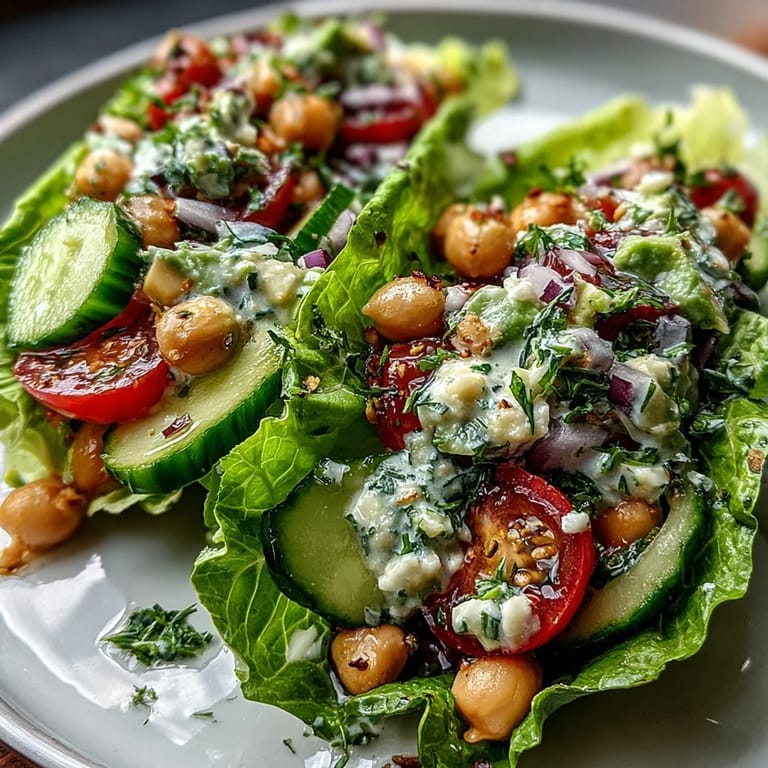
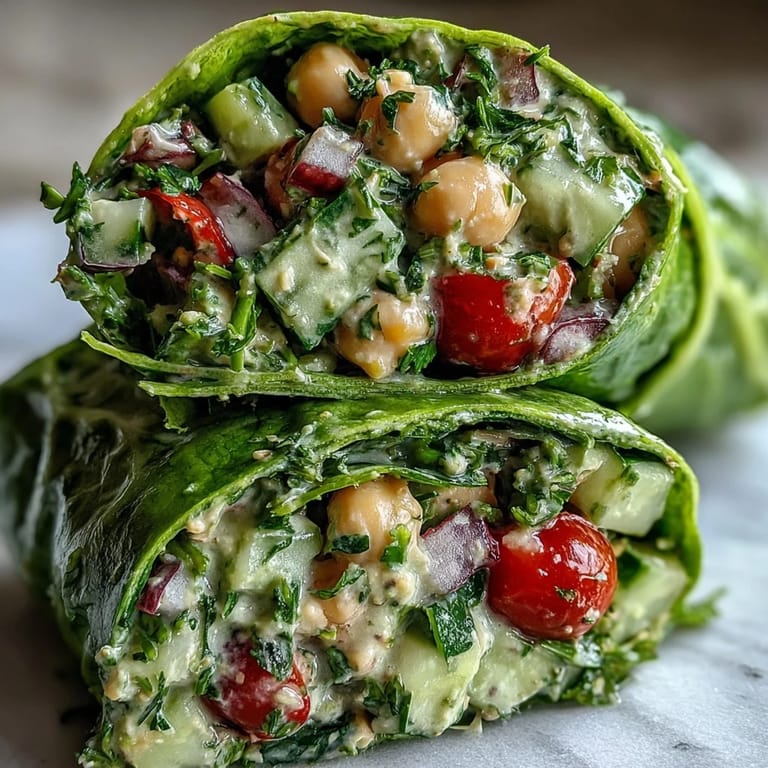
 There's something about late spring that makes me crave wraps you can eat with your hands, the kind where lettuce becomes the hero instead of an afterthought. I discovered these lettuce shells while rummaging through my crisper drawer one Wednesday evening, staring down an avocado that was at peak ripeness and a can of chickpeas that had been waiting for the right moment. Something clicked—why not skip the bread entirely and lean into the crunch? Twenty minutes later, I was folding verdant leaves around a mixture that tasted somehow both light and deeply satisfying, the kind of meal that makes you feel like you're actually taking care of yourself.
I made these for my sister on a Saturday afternoon when she mentioned she was tired of her usual lunch routine, and watching her take that first bite—the way her eyes landed on the perfect ratio of creamy to crunchy—I knew I'd stumbled onto something she'd ask for again. She ate three of them without hesitation and asked if I could leave a batch in her fridge for the week ahead.
Ingredients
- Chickpeas (one 15-oz can): Drain and rinse them well; this removes excess sodium and any metallic taste, and they mash just enough to bind everything while keeping some whole pieces for texture and bite.
- Ripe avocado (1 large): Wait until it yields gently to pressure, then dice just before assembling to prevent browning and keep that buttery sweetness front and center.
- Red onion (1/4 cup, finely chopped): The sharpness cuts through the richness and adds a little bite that keeps each wrap interesting from start to finish.
- Cucumber (1/2 cup, diced): This is your moisture and cooling element; it prevents the wrap from feeling heavy and adds a refreshing crispness.
- Cherry tomatoes (1/2 cup, quartered): They burst slightly when you toss everything together and release their bright acidity, which seasons the whole salad naturally.
- Fresh parsley or cilantro (1/4 cup, chopped): Add this at the very end right before serving so it stays green and aromatic rather than darkening and losing its punch.
- Lemon juice (2 tbsp): Fresh squeezed makes an enormous difference; bottled juice tastes flat by comparison and won't brighten the salad the same way.
- Extra virgin olive oil (2 tbsp): Use the good stuff here since there's nowhere to hide; it's a main flavor note, not just a vehicle.
- Dijon mustard (1 tsp): It acts as an emulsifier and adds a subtle tang that ties everything together without being obvious.
- Garlic (1 small clove, minced): Don't skip this; it's quiet but essential, adding depth that makes people wonder what they're tasting.
- Sea salt and black pepper: Season to taste rather than measuring strictly; everyone's hands and preferences differ, and you want to taste it clearly.
- Lettuce leaves (8 large, crisp): Romaine or butter lettuce work best because they're sturdy enough to hold filling without tearing, but iceberg works in a pinch.
- Optional garnishes (radishes, carrots, sprouts): These are your chance to add extra crunch, color, or earthiness depending on what's in your kitchen and what mood you're chasing.
Tired of Takeout? 🥡
Get 10 meals you can make faster than delivery arrives. Seriously.
One email. No spam. Unsubscribe anytime.
Instructions
- Mash and combine:
- In a large bowl, combine the drained chickpeas and diced avocado, then gently mash with a fork—you're not making hummus here, so leave plenty of whole chickpeas visible and some avocado chunks intact. This isn't about creating a smooth paste; it's about coaxing flavors together while keeping the texture interesting.
- Add the vegetables:
- Fold in the red onion, cucumber, cherry tomatoes, and fresh herbs, mixing gently with a wooden spoon so you don't crush the chickpeas further. The mixture should look lively and colorful, with distinct pieces you can see and taste.
- Make the dressing:
- In a small bowl, whisk lemon juice, olive oil, Dijon mustard, minced garlic, salt, and pepper until the mustard disperses and everything emulsifies slightly. It should taste bright and bold on its own; this is your chance to taste and adjust before it meets the salad.
- Dress everything:
- Pour the dressing over the chickpea mixture and toss gently with a spatula or wooden spoon until every piece glistens and the flavors start mingling. Don't be timid here, but avoid aggressive mixing that would turn the avocado into mush.
- Prep your vessels:
- Rinse and thoroughly dry the lettuce leaves, then lay them out on a clean surface or a platter so they're ready for filling. Damp lettuce won't crisp up and will tear more easily, so take a moment to pat them dry.
- Build the wraps:
- Spoon a generous portion of the salad mixture into the center of each lettuce leaf, leaving a little space at the edges. Top with any optional garnishes you've chosen, letting them catch the light a bit.
- Fold and serve:
- Bring the sides of the lettuce leaf up and around the filling to create a wrap that's easy to pick up and eat with one hand. Serve immediately while everything's still crisp and the lettuce hasn't had time to wilt.
 Save to Pinterest
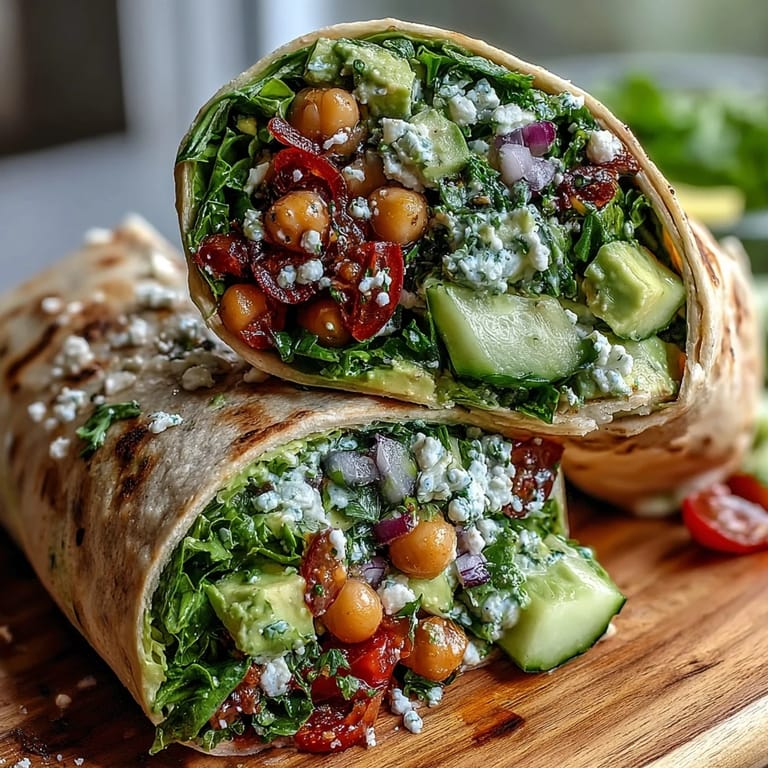
 I had a friend tell me once that she'd been eating the same sad desk lunch for three years before trying these wraps, and something about the simplicity of it—the fact that you're not dependent on heat or special equipment—gave her permission to actually enjoy her midday break again. That's what stuck with me more than anything.
Why Lettuce Leaves Work Better Than You Think
We've been trained to think of lettuce as filler, something to hide under better ingredients, but here it becomes structural and flavorful in a way bread never could. The crunch persists, the leaves don't get soggy from the dressing, and you're left with something that feels fresh rather than heavy. I've also noticed that when you skip bread, people eat slower and actually taste what's in front of them instead of just powering through lunch.
The Avocado and Chickpea Argument
Mashing these two together feels counterintuitive at first—you're taking something creamy and something starchy and blending them deliberately, which sounds like it might create mush. But the chickpeas stay mostly whole and create little pockets of texture, while the avocado acts as a binding agent that makes every bite feel intentional. The combination also means you're getting both healthy fats and protein without any meat or dairy, so the wrap feels complete and keeps you full longer.
Storage, Timing, and Customization
If you're planning ahead, keep your components in separate containers and assemble right before eating—this prevents the lettuce from wilting and the avocado from browning. I've started bringing the dressing in a small jar and the salad mixture in another container when I'm packing these for lunch, then combining and wrapping in whatever kitchen space I find myself in. The beauty of this recipe is that it invites experimentation; some days I add shredded carrots and radishes, other times a handful of sprouts or even a crumble of feta cheese.
- Make the salad mixture earlier in the day and keep it covered in the refrigerator, but wait to fold in the herbs until just before serving so they stay green and aromatic.
- If your lettuce leaves are on the smaller side, you can overlap two leaves to create a more stable wrap that won't tear when you pick it up.
- Toast some seeds or nuts separately if you want extra crunch and protein without adding them to the base mixture where they'd soften.
 Save to Pinterest
 These wraps have become my answer to that three o'clock slump when you want something that feels nourishing but doesn't require you to sit at a table and contemplate your choices. They're the kind of lunch that leaves you feeling lighter, not heavier.
Common Recipe Questions
- → Can I prepare the filling ahead of time?
Yes, prepare the chickpea mixture and dressing separately, then combine just before serving. This keeps the lettuce crisp and prevents sogginess. Store components in airtight containers in the refrigerator for up to 2 days.
- → What lettuce varieties work best for wraps?
Romaine, iceberg, and butter lettuce all create excellent vessels. Romaine offers sturdy structure with satisfying crunch, iceberg provides maximum crispness, while butter lettuce delivers tender sweetness. Choose large, intact leaves free from wilting.
- → How can I add more protein to these wraps?
Sprinkle toasted pumpkin seeds, sunflower seeds, or hemp hearts over the filling. Crumbled feta cheese works beautifully if not vegan. Consider adding chopped walnuts or sliced almonds for extra protein and healthy fats.
- → What vegetables can I substitute or add?
Diced bell peppers, shredded carrots, thinly sliced radishes, or chopped celery add wonderful crunch and color. Consider adding shredded cabbage for extra texture or fresh herbs like basil or mint for different flavor profiles.
- → How do I prevent the lettuce leaves from tearing?
Carefully separate leaves from the core, working from the outside inward. Choose larger, sturdier leaves and avoid overfilling them. If leaves seem delicate, use two layers per wrap for added support and structure.
- → Can these be served as finger food appetizers?
Absolutely. Spoon smaller portions into individual butter lettuce cups or endive leaves for elegant bite-sized appetizers. Guests can easily enjoy them handheld without utensils, making them perfect for gatherings and spring parties.