 Save to Pinterest
 Hot pot arrived in my life on a freezing winter evening when a friend insisted we needed something interactive, something that would get everyone talking and laughing around the table instead of just eating in silence. She set up this little burner in the middle of her apartment, this shallow pot of simmering broth that smelled like ginger and garlic and possibility, and suddenly we were all leaning in with chopsticks like we were performing some kind of delicious magic trick. The beauty of it hit me then—that everyone could cook exactly what they wanted, at their own pace, in their own way. No two bowls would ever be the same.
The first time I hosted hot pot myself, I was terrified I'd mess up the broth, that it would taste flat or one-dimensional after simmering. But then I watched my neighbor—who'd grown up eating this way—close his eyes after the first spoonful and just nod, and I realized the magic wasn't about perfection. It was about the ritual of gathering, the way someone would fish out a piece of bok choy with their chopsticks and dip it in three different sauces before deciding which one was right.
Ingredients
- Broth base (2.5 liters): Whether you choose chicken, vegetable, or even a hybrid, this is your foundation—use quality broth because it'll shine through every single spoonful.
- Garlic and ginger: Fresh slices matter here; they'll infuse the broth with warmth and a subtle sharpness that keeps things interesting over time.
- Soy sauce: Don't skip this; it adds umami depth that makes people pause and wonder what they're tasting.
- Rice vinegar: Just a tablespoon cuts through the richness and keeps your palate refreshed as you eat.
- Sesame oil: A small pour adds a toasted, aromatic quality that elevates the whole experience.
- Dried shiitake mushrooms: These impart an earthy, almost meaty flavor that lingers in the broth throughout the meal.
- Thinly sliced proteins (beef, chicken, pork, or tofu): The thinner the better—they cook in seconds and stay tender, not chewy.
- Shrimp and firm tofu: These add textural variety and ensure everyone finds something they love.
- Napa cabbage and bok choy: They soften beautifully in the broth without falling apart, and their mild sweetness balances the savory depths.
- Mixed mushrooms: Variety in shape and texture keeps each bite interesting; enoki cook quickly, shiitake stay substantial.
- Carrot slices: They take a few extra minutes but add natural sweetness and a pleasant firmness.
- Snow peas: These cook in seconds and add a fresh snap that contrasts with softer vegetables.
- Corn rounds: An unexpected touch that adds sweetness and makes the platter look beautiful.
- Scallions: Cook them last—they'll wilt into the broth and add a mild onion brightness.
- Rice or glass noodles: Soak them before service so they're ready to drop into the broth; they'll absorb all the flavors beautifully.
- Dipping sauces: Soy sauce, chili oil, and hoisin are your trio; let guests mix their own combinations.
- Cilantro and sesame seeds: These final garnishes add freshness and crunch—don't skip them.
Tired of Takeout? 🥡
Get 10 meals you can make faster than delivery arrives. Seriously.
One email. No spam. Unsubscribe anytime.
Instructions
- Build your broth foundation:
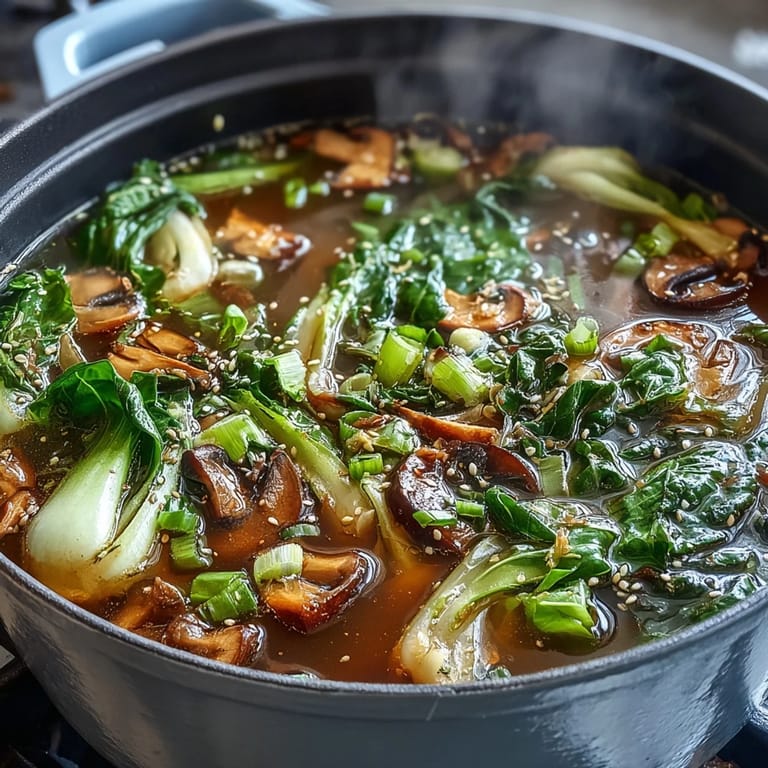
- Combine your broth, sliced garlic, ginger, soy sauce, rice vinegar, sesame oil, dried mushrooms, and chili in a large pot over medium-high heat. Bring it to a rolling boil so the aromas release fully, then turn it down to a gentle simmer and let it sit for at least 30 minutes, longer if you have the time—this is when the magic happens, when all those flavors marry together.
- Strain and taste:
- Remove the garlic, ginger, mushrooms, and chili pieces from the broth so the liquid is clear and you can see the translucent quality of the ingredients people will cook. Taste it and adjust the soy sauce or vinegar to your preference before anyone sits down.
- Arrange everything on platters:
- Group your proteins on one platter, noodles on another, vegetables on one or two platters depending on your table space. The key is making it easy for people to reach what they want without reaching over others—there's a rhythm to hot pot, and crowded platters disrupt it.
- Soak your noodles:
- Follow the package instructions and soak your rice or glass noodles in warm water until they're pliable but not mushy. Drain them completely and set them aside so they're ready to go into the broth quickly.
- Set up your table theater:
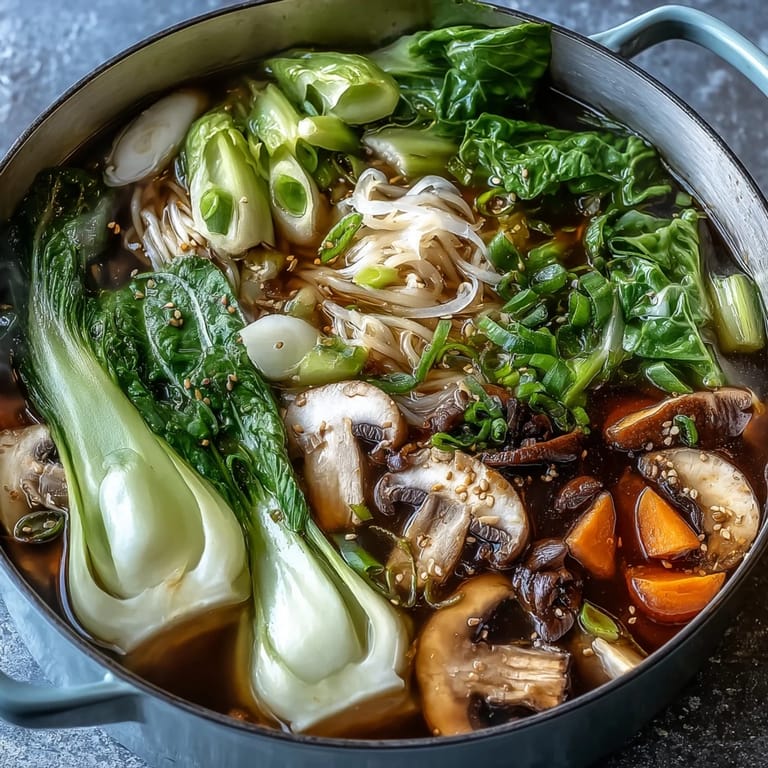
- Place a portable burner or induction cooktop in the center of your table with the wide, shallow pot filled with your simmering broth. Arrange the ingredient platters around it, put small bowls in front of each guest, and set out chopsticks, slotted spoons, and small dipping sauce bowls—this is the stage where everyone becomes a chef.
- Let everyone cook their own way:
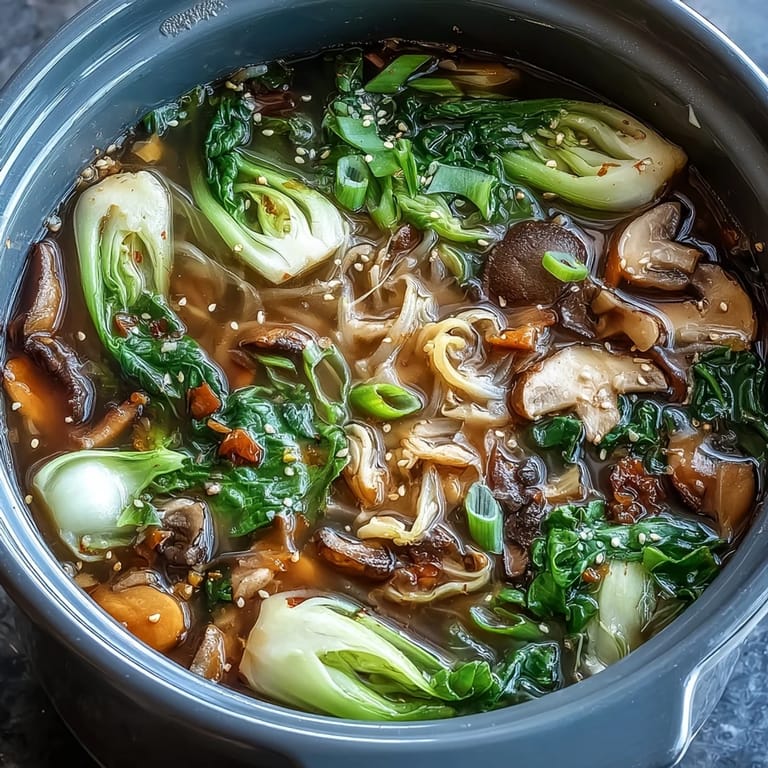
- Here's where the joy lives: each person picks what they want, cooks it in the simmering broth at their own pace, and removes it with chopsticks or a slotted spoon when it's done. Proteins cook fast (1-3 minutes for thin slices, 2-3 for shrimp, 1-2 for tofu), vegetables take 2-5 minutes depending on thickness, and noodles soften in about 2-3 minutes in the hot liquid.
- Finish with sauce and garnish:
- As people pull cooked items into their bowls, they drizzle with their chosen dipping sauce, sprinkle cilantro and sesame seeds, and maybe squeeze lime over the top. This is when everyone's bowl becomes uniquely theirs, a reflection of their taste preferences.
 Save to Pinterest
 There was this one moment during my third hot pot dinner when my usually reserved colleague tried a shrimp dipped in a combination of all three sauces and made this face—eyes closed, quiet satisfaction—that told me hot pot had done what it does best: it made us all slow down together. We weren't scrolling phones between bites or thinking about our to-do lists. We were present, choosing what to cook, waiting for it to cook, tasting, reacting, and doing it all over again.
Choosing Your Proteins Wisely
I learned quickly that not all proteins work equally well in hot pot. Thin slices of beef, pork, or chicken become impossibly tender in seconds if you cut them against the grain, but if you slice thick or with the grain, you'll get something chewy and frustrating. Tofu is forgiving and absorbs all the broth flavors, but it breaks apart if people aren't gentle with their chopsticks—serve it cubed rather than sliced if your guests are enthusiastic but not delicate. Shrimp are the reliable choice; they cook in the same 2-3 minutes every time and stay plump and sweet.
Building a Vegetable Strategy
The vegetables are where you can really customize for your crowd, and I've found it helps to think about timing and texture. Hardy vegetables like carrots and corn need a head start—maybe put them in the broth 3-4 minutes before serving if you want them genuinely tender rather than just warmed through. Leafy greens like bok choy and napa cabbage cook in seconds and should be the last thing people add unless they specifically want them softer. Mushrooms are the sweet spot; they cook in about 3 minutes and become silky without dissolving.
The Dipping Sauce Moment
Here's something no one tells you: the dipping sauce situation can make or break the experience, and I don't mean the quality of the sauces themselves. I mean the moment when someone realizes they can mix them, combine them, create something entirely new. One friend always goes soy sauce straight, another mixes hoisin with chili oil into something that looks alarming but tastes incredible, and that experimentation is part of the whole thing. Set out small bowls for mixing and let people discover their own ratios.
- Make sure your chili oil isn't so hot it overshadows the delicate flavors of cooked proteins—test it beforehand if you're using something unfamiliar.
- Have extra dipping sauce bowls so people can try combinations without committing to one flavor profile for the whole meal.
- Fresh lime wedges over the broth itself add brightness that nobody expects but everyone appreciates.
 Save to Pinterest
 Hot pot is one of those rare dishes that improves when you stop trying to control everything and just let it unfold. The broth gets richer as the meal goes on, the conversation flows easier, and somehow everyone leaves satisfied without you ever plating a single thing.
Common Recipe Questions
- → What type of broth is used for the hot pot?
A savory blend of chicken or vegetable broth simmered with garlic, ginger, soy sauce, rice vinegar, sesame oil, and dried shiitake mushrooms forms the base.
- → How long should proteins and vegetables cook in the broth?
Thinly sliced proteins typically cook in 1–3 minutes, while vegetables and noodles take 2–5 minutes, depending on thickness and preference.
- → Can this be adapted for vegetarian or vegan needs?
Yes, using vegetable broth and omitting animal proteins allows tailored plant-based versions.
- → What are recommended dipping sauces and garnishes?
Common choices include soy sauce, chili oil, hoisin sauce, fresh cilantro, sesame seeds, and lime wedges for added flavor.
- → What equipment is needed to enjoy this style of cooking?
A portable burner or induction cooktop, a large shallow pot, slotted spoons, chopsticks, and soup bowls are essential for the table setup.