 Save to Pinterest
 The first time I made Greek yogurt bagels, I wasn't even trying to invent anything—I just had a container of thick yogurt sitting in my fridge that was about to expire, and I wanted something more interesting than another smoothie bowl. I grabbed some flour, baking powder, and salt out of sheer curiosity, mixed everything together in about three minutes, and couldn't quite believe how quickly a dough came together without any yeast or long rising times. My kitchen smelled like toasted bread within half an hour, and the bagels that came out were impossibly fluffy, with a tender crumb that made me wonder why I'd ever complicated bagel-making before.
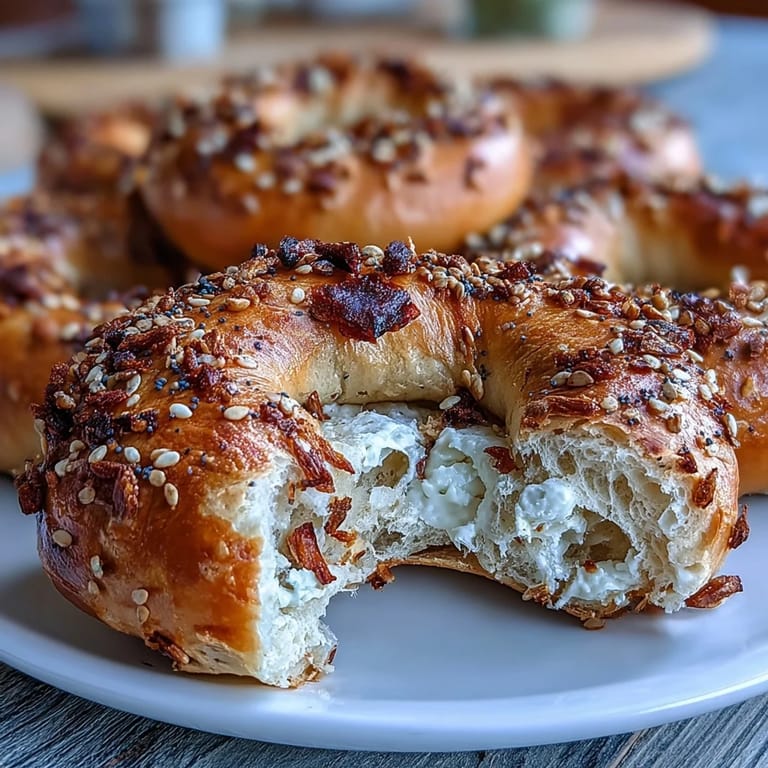
I made these for my roommate one Saturday morning after she complained about the bagels at our favorite coffee shop tasting like cardboard, and watching her bite into one still warm from the oven, with everything seasoning catching the light, was honestly the best kitchen moment I'd had in weeks. She asked for the recipe before she'd even finished the first one, and now whenever I make a batch, I know they'll be gone by afternoon because she's texted everyone she knows that these actually exist.
Ingredients
- Greek yogurt (1 cup, 240 g): Use the thick, full-fat kind if you can find it—it's the secret to bagels that are actually fluffy instead of dense, and the tanginess rounds out the flavor beautifully without needing any sugar.
- All-purpose flour (1 cup, 125 g): You can swap half of this for whole wheat flour if you want more texture and fiber, but stick with all-purpose if this is your first time making them.
- Baking powder (2 teaspoons): This is what gives the bagels their lift and tender crumb—don't skip it or use baking soda as a substitute.
- Salt (1/2 teaspoon): A pinch that does more work than you'd expect, brightening the yogurt flavor and preventing the bagels from tasting flat.
- Egg (1 large, beaten): Just for the wash—it creates that golden, slightly shiny surface that makes them look bakery-fresh.
- Toppings: Everything bagel seasoning, sesame seeds, cinnamon sugar, shredded cheese—or nothing at all if you want to taste the plain bagel in all its glory.
Tired of Takeout? 🥡
Get 10 meals you can make faster than delivery arrives. Seriously.
One email. No spam. Unsubscribe anytime.
Instructions
- Preheat and prep:
- Heat your oven to 375°F (190°C) and line a baking tray with parchment paper or give it a light grease. This gives you a clean surface and makes cleanup infinitely easier.
- Mix the dry ingredients:
- In a medium bowl, whisk together the flour, baking powder, and salt until everything is evenly distributed. This step prevents lumps of baking powder from creating bitter spots in your bagels.
- Bring the dough together:
- Add the Greek yogurt to the dry ingredients and mix with a spatula or your hands until a shaggy dough forms—it should look rough and slightly sticky at first. If it's too wet to handle, add a tablespoon of flour; if it's too dry and crumbly, add a spoonful of yogurt.
- Knead gently and divide:
- Transfer the dough to a lightly floured surface and knead it for just a minute or two until it comes together, then divide it into 4 equal pieces. Overworking the dough here is what makes them tough, so be gentle and trust that less is more.
- Shape into rings:
- Roll each piece into a 6-inch rope, then bring the ends together and pinch them firmly to seal—this is satisfying to do and creates that classic bagel shape. Make sure the seal is tight so the bagels don't unravel in the oven.
- Add the egg wash and toppings:
- Arrange the bagels on your prepared tray, brush each one with beaten egg, and sprinkle on your chosen toppings while the egg is still wet so they stick. This step takes two minutes and makes all the difference in how they look when they come out golden brown.
- Bake until golden:
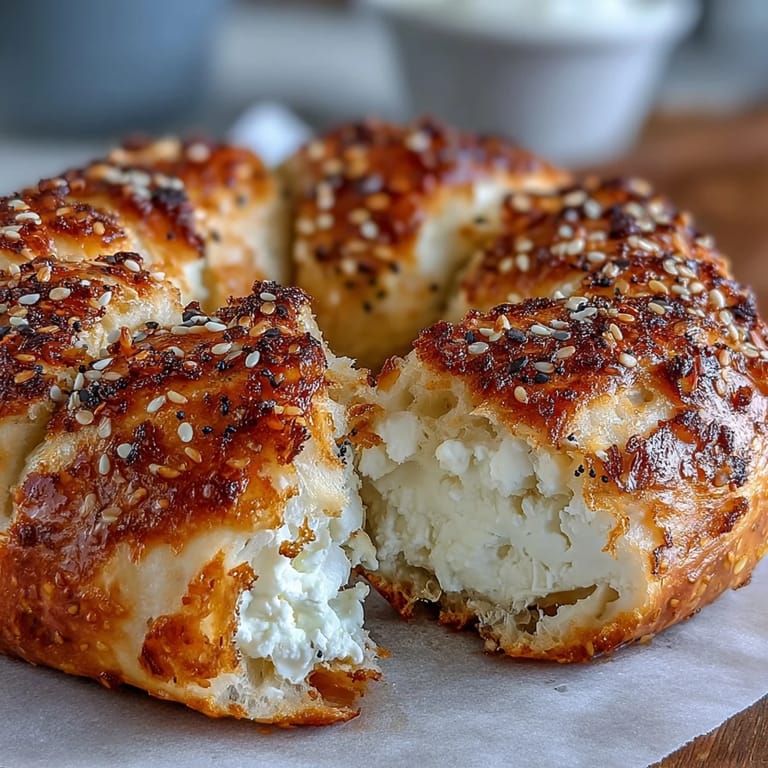
- Slide them into the oven for 20-25 minutes, watching until the tops turn golden and the bagels puff up slightly. They should feel light in your hand when you take them out.
- Cool before slicing:
- Let them cool for at least 10 minutes on the tray before slicing—I know it's hard to wait, but this lets the inside set so you don't end up with a gummy center.
 Save to Pinterest
 There was an afternoon when I made these for a friend who'd just moved into a new apartment with a kitchen she was still figuring out, and baking together in her unfamiliar space, laughing about the weird drawer placement and making a small mess on her counter, turned a simple breakfast into the kind of memory that sticks with you. She's made them a hundred times now, and she tells people they're her favorite thing she learned to cook.
Sweet Versus Savory
The beauty of this recipe is how quickly you can pivot depending on your mood or what's sitting in your pantry. For sweet bagels, brush them with egg wash and coat generously with cinnamon sugar before baking—they come out smelling like a bakery and taste like a cinnamon roll's lighter, more sophisticated cousin. For savory versions, everything bagel seasoning does all the work, but shredded cheddar or a blend of herbs and garlic powder work beautifully too, and I've even tried a everything-seasoning-and-cheese combo that nobody asked for but everyone immediately wanted to replicate.
Storage and Make-Ahead Strategy
These bagels stay fresh at room temperature in an airtight container for up to two days, which means you can make a batch on Sunday evening and grab one each morning without any baking stress. If you want to stretch it further, they keep in the fridge for five days and freeze beautifully for up to three months—just pop a frozen bagel in the toaster oven for a few minutes and it tastes like you just made it.
Why This Recipe Changed My Breakfast Routine
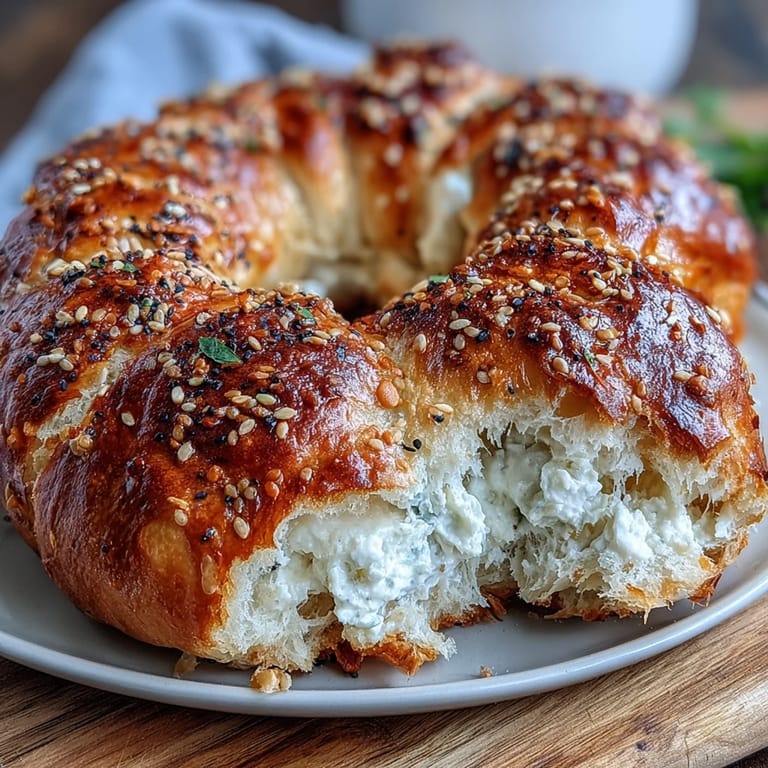
Once I realized I could make a bagel that was actually good in less time than it takes to shower and get dressed, I stopped treating bagels as something to buy and started treating them as something to make. The protein content means I stay full longer than I do with regular bread, which was a pleasant discovery, and the whole process is so straightforward that even when I'm groggy at seven in the morning, I can pull it off without thinking too hard. Here's what keeps me coming back:
- You can customize every single bagel in a batch differently, so everyone in your house can have exactly what they want.
- There's something deeply satisfying about shaping the dough with your hands and watching it transform in the oven—it feels like actual cooking, not just assembly.
- The texture is nothing like the dense, chewy bagels from a shop; these are lighter and more tender, almost like a bagel and a biscuit had a collaboration.
 Save to Pinterest
 These bagels became my answer to the question of how to eat well without spending half your morning in the kitchen, and I've made them so many times now that I could probably do it with my eyes closed. If you try them once, you'll understand why I keep coming back.
Common Recipe Questions
- → Can I use regular yogurt instead of Greek yogurt?
Greek yogurt works best because its thicker consistency creates a sturdy dough. Regular yogurt is too watery and will make the dough sticky and difficult to shape. If you only have regular yogurt, strain it through cheesecloth for several hours to remove excess whey before using.
- → Why no yeast in these bagels?
The baking powder provides lift while the Greek yogurt adds protein and structure, eliminating the need for proofing time. This makes them much faster than traditional yeast bagels—ready from start to finish in about 30 minutes instead of hours.
- → How do I store these bagels?
Keep in an airtight container at room temperature for up to 2 days, refrigerate for up to 5 days, or freeze individually wrapped for up to 3 months. Toast before serving for the best texture, especially if they've been refrigerated or frozen.
- → Can I make these gluten-free?
Yes, substitute the all-purpose flour with a 1-to-1 gluten-free flour blend that includes xanthan gum. The texture may be slightly denser, but they'll still be delicious. Ensure your baking powder is certified gluten-free as well.
- → What toppings work best?
Everything bagel seasoning, sesame seeds, poppy seeds, coarse salt, or shredded cheese are perfect before baking. After baking, try cream cheese, butter, avocado, smoked salmon, or your favorite spreads. For sweet versions, cinnamon sugar creates a lovely crunchy topping.
- → Why is my dough too sticky or dry?
If the dough sticks to your hands, sprinkle in a tablespoon of flour at a time until manageable. If it's crumbly and won't hold together, add a spoonful of yogurt. The exact amount needed can vary based on humidity and the moisture content of your specific yogurt brand.