 Save to Pinterest
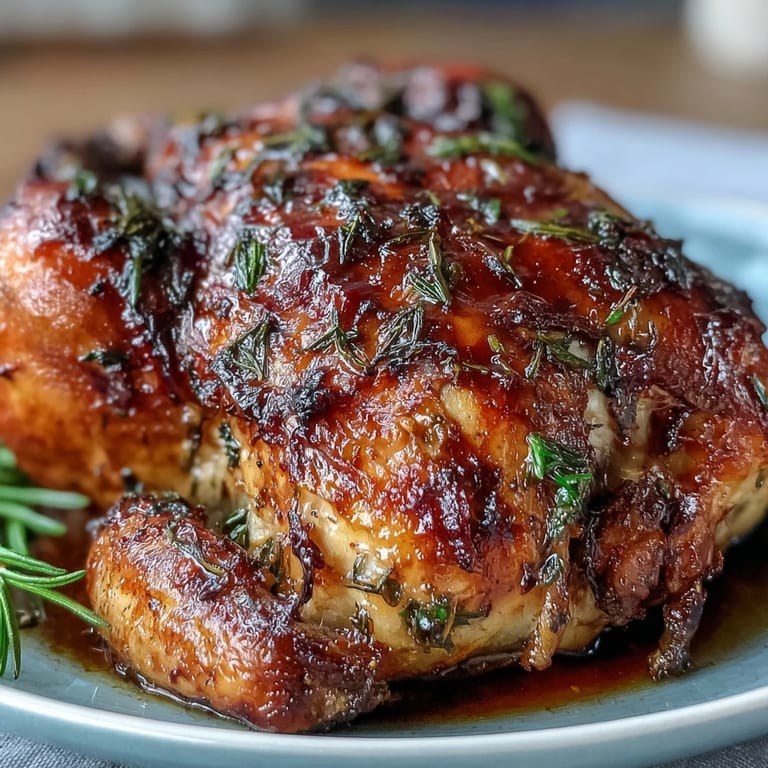
 There's something about the smell of citrus hitting hot chicken skin that stops you mid-conversation. My neighbor knocked on the door one Sunday afternoon, drawn in by the aroma drifting over the fence, and I ended up inviting her family to stay for dinner without a second thought. That's when I realized this dish does more than just feed people—it creates moments. The combination of orange brightness with earthy herbs transforms an ordinary roasted chicken into something that feels both special and completely approachable.
I made this for my sister's birthday dinner last fall when she was going through a rough patch. She walked into the kitchen, took one breath, and her whole face changed. Sometimes food isn't about nutrition or technique—it's about saying 'I see you, and you deserve something good.' That meal turned into the kind of evening where everyone stayed too late, nobody checked their phones, and we all felt a little bit better just from being together.
Ingredients
- 1 whole chicken (about 1.5 kg / 3.3 lbs), giblets removed: Choose one that feels substantial in your hands; a good bird is the foundation of everything that follows, so don't skimp here.
- 2 oranges (zested and juiced): Zest them before cutting—the oils in that bright outer layer are where the magic lives, and once you've cut the fruit, you can't get them back.
- 3 tbsp olive oil: Use something you'd actually taste on its own, because it's a main player, not background music.
- 4 garlic cloves, minced: Fresh garlic makes all the difference; the jarred version will leave you wondering why this doesn't taste as good as you expected.
- 2 tbsp fresh rosemary, chopped: Strip the leaves from the stem with your fingers—it's faster than you'd think and feels satisfying to do.
- 1 tbsp fresh thyme leaves: These tiny leaves pack serious flavor, so don't be tempted to use the dried version as a straight swap.
- 1 tbsp fresh parsley, chopped: This adds brightness and color without overwhelming the other herbs; it's the peacekeeper of the bunch.
- 1 tsp salt and ½ tsp black pepper: Taste the marinade before committing—you might want slightly more salt depending on your preference and your chicken.
- 3 medium carrots, peeled and cut into 2-inch pieces: Uneven pieces cook at different rates, so keep them roughly the same size or you'll end up with some mushy and some still crunchy.
- 2 parsnips, peeled and cut into 2-inch pieces: Parsnips can taste almost sweet when roasted; if you don't have them, regular carrots work fine, though you'll miss that subtle earthiness.
- 2 medium potatoes, cut into chunks: Waxy potatoes hold their shape better than starchy ones if you like your vegetables still slightly firm when everything's done.
- 1 large red onion, cut into wedges: Red onions turn jammy and mild when roasted, nothing like their sharp raw selves, so don't skip them thinking they'll taste too strong.
- 1 small sweet potato, peeled and cut into chunks: This adds natural sweetness that plays beautifully against the savory herbs and the brightness of the orange.
Tired of Takeout? 🥡
Get 10 meals you can make faster than delivery arrives. Seriously.
One email. No spam. Unsubscribe anytime.
Instructions
- Get your oven ready and your chicken prepped:
- Crank the oven to 400°F (200°C) and give it a few minutes to heat fully—you want it properly hot when the chicken goes in. Pat your chicken completely dry with paper towels; any moisture on the skin will steam instead of crisp, and you're aiming for that golden, crackling exterior.
- Build your marinade:
- Whisk together the orange zest, juice, olive oil, minced garlic, rosemary, thyme, parsley, salt, and pepper in a small bowl. Smell it before you go further—that's your preview of what's coming, and it should smell like someone's about to do something good in the kitchen.
- Season the chicken inside and out:
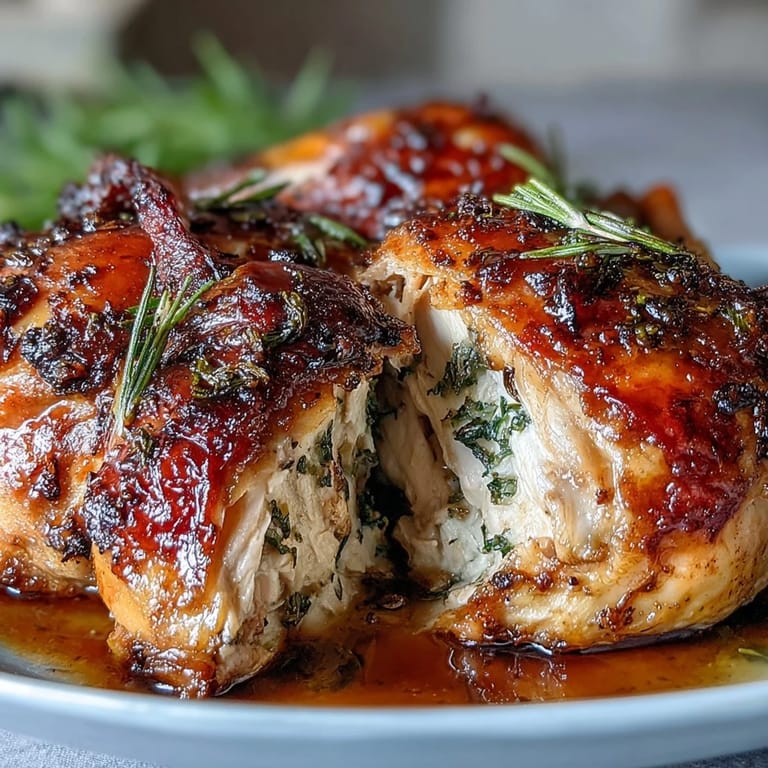
- Rub about half the marinade all over the chicken, getting it under the skin where you can reach—this is where the real flavor develops. Stuff the cavity with some orange peels and herb sprigs if you're feeling it; it's optional but it perfumes the inside beautifully.
- Arrange your vegetables:
- Toss all the root vegetables and red onion with the remaining marinade in your roasting pan until everything's coated, then spread them out in an even layer. This vegetable bed is doing double duty—it's your side dish and your flavor foundation.
- Position the chicken:
- Nestle the chicken breast-side up right on top of the vegetables. It looks humble at this point, but you're seconds away from something spectacular.
- Roast with intention:
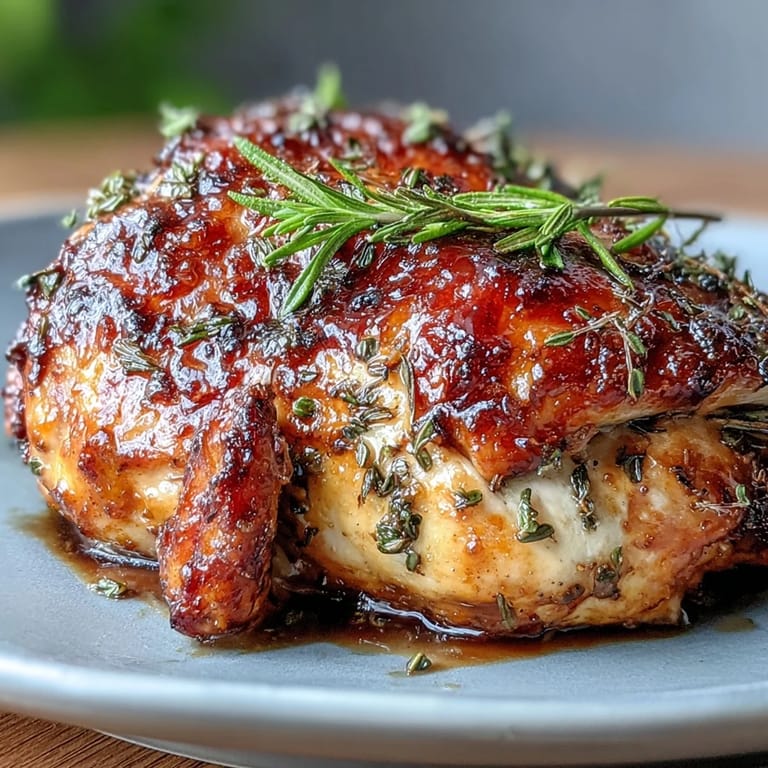
- Slide it into the oven and roast for 1 hour 20 minutes, basting the chicken with the pan juices halfway through—tip the pan toward you and spoon those golden drippings right back over the skin. You're looking for the skin to turn a deep golden brown and a meat thermometer inserted into the thickest part of the thigh to read 165°F (74°C) when you're done.
- Let it rest before serving:
- Pull it out of the oven, tent it loosely with foil, and give it 10 minutes to rest—this keeps the juices from running everywhere when you carve and makes every bite more tender. Slice the chicken, arrange it with the roasted vegetables, and garnish with fresh herbs and orange slices if you want it to look as good as it tastes.
 Save to Pinterest
 I watched my eight-year-old nephew take his first bite and declare it 'basically a fancy chicken dinner but actually good'—and somehow that was the highest compliment that meal could have received. It wasn't about impressing anyone with technique or ingredient lists; it was just genuinely delicious, and everyone knew it.
Why Fresh Herbs Matter Here
Dried herbs taste like shadows of themselves when it comes to this recipe. The whole point is that bright, fresh, herbal quality that makes you taste the rosemary and thyme as distinct flavors, not as a generic 'herb dust' situation. If you only have dried herbs on hand, use about one-third the amount and accept that the result will be subtly different—not worse, just not quite the same thing. I learned this the hard way once when I thought dried rosemary could stand in, and while nobody complained, I knew what I was missing.
Making It Your Own
This recipe is genuinely flexible, which is one reason I keep coming back to it. I've swapped out parsnips for turnips, added a drizzle of honey to the marinade on days when I wanted it slightly richer, and once threw in some whole garlic cloves that turned buttery and sweet in the pan. The structure stays solid no matter what adjustments you make, so feel free to work with what's in your kitchen or what sounds good to you today. What matters is that you're building layers of flavor and giving yourself permission to tinker.
Timing and Wine Pairing
If you're serving this to people, know that you can do all the prep work hours ahead—make your marinade, chop your vegetables, and keep them covered in the fridge until you're ready to roast. The actual cooking takes about 1 hour 20 minutes from hot oven to plated dinner, which is perfect timing for making a salad or setting a nice table while everything happens in the oven. A light Chardonnay or dry Riesling both work beautifully—something that won't overpower the delicate citrus notes but will complement the richness of the roasted chicken.
- Prep everything the morning of if you're cooking for a crowd, and you'll feel calm instead of rushed when people arrive.
- If your oven runs hot or cool, trust your meat thermometer over the timing—every oven has its own personality.
- Leftover chicken shreds beautifully for salads or grain bowls the next day, and the pan juices make an incredible base for soup.
 Save to Pinterest
 This dish has become my answer to 'what should I cook when I want to feel competent and make other people happy at the same time.' It delivers every single time, and that's a gift worth holding onto.
Common Recipe Questions
- → How do I ensure the chicken stays juicy?
Pat the chicken dry before marinating and baste it halfway through roasting. Letting it rest after cooking retains the juices.
- → Can I substitute the root vegetables?
Yes, parsnips can be replaced with extra carrots or turnips based on preference without affecting flavor much.
- → What’s the ideal internal temperature when roasting chicken?
The thickest part of the thigh should reach 165°F (74°C) to ensure the chicken is fully cooked and safe to eat.
- → How does the orange flavor affect the dish?
Orange zest and juice add a bright, citrusy aroma that complements the herbs and balances the richness of the chicken.
- → What wine pairs well with this dish?
A light Chardonnay or a dry Riesling enhances the flavors without overpowering the subtle citrus and herb notes.