 Save to Pinterest
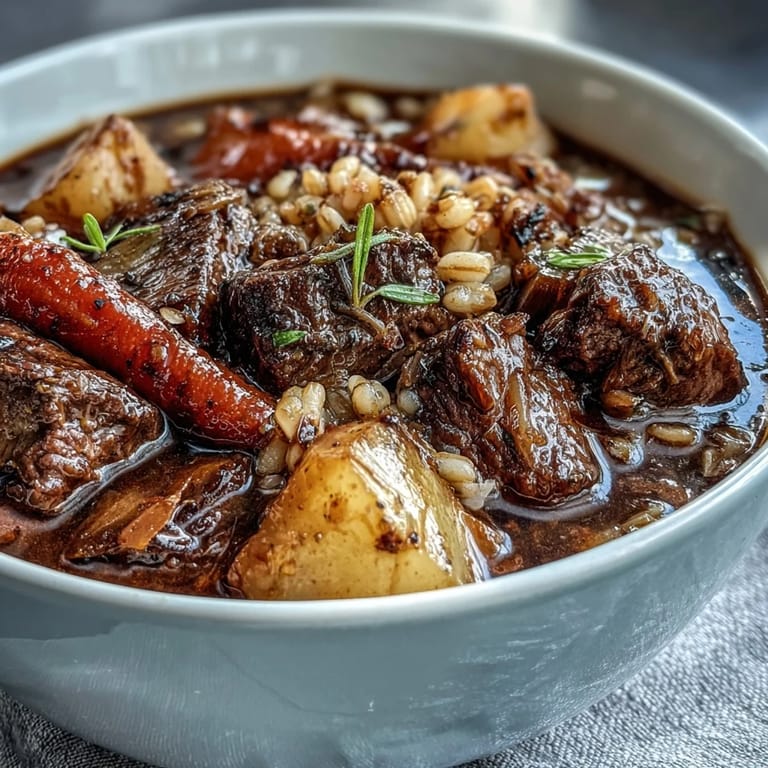
 There's something about the smell of Guinness reducing in a pot that makes a kitchen feel instantly warmer, even on the dreariest afternoon. My neighbor knocked on the door mid-stew once, drawn by the aroma wafting into the hallway, and we ended up splitting a bowl while rain pelted the windows. That's when I knew this recipe had crossed from just-another-dinner into something that brings people together. The combination of tender beef, nutty barley, and earthy root vegetables creates a depth that tastes like it took all day, even though it's surprisingly efficient. One pot, one incredible result.
I made this for a dinner party during a particularly brutal winter, when everyone needed something that felt like a warm hug. My friend Sarah, who usually picks at stew, went back for thirds and asked me to write down every step. That's when I realized the real magic isn't just in the ingredients—it's in how the barley softens and thickens the broth, how the rutabaga adds sweetness nobody expects, and how the beef practically melts if you give it time.
Ingredients
- Beef chuck (2 lbs), cut into 1-inch cubes: Chuck has enough marbling to become incredibly tender during the long simmer, and the fat renders into the broth to build serious flavor foundation.
- Olive oil (2 tablespoons): This is your medium-high heat hero for browning; don't skimp because those caramelized bits are liquid gold for the final stew.
- Yellow onion (1 large), diced: The onion breaks down into the broth and becomes almost invisible, but the umami it contributes is irreplaceable.
- Garlic (3 cloves), minced: Add this after the onion softens so it doesn't burn; raw garlic in hot oil turns bitter quickly.
- Carrots (3), peeled and sliced: These hold their shape beautifully and add natural sweetness that balances the savory beer and herbs.
- Parsnips (2), peeled and sliced: They're sweeter than carrots and add an almost creamy texture as they soften—this is where complexity comes from.
- Celery (2 stalks), sliced: Celery rounds out the aromatics and adds subtle depth without tasting obviously present.
- Potatoes (2 medium), peeled and diced: Waxy potatoes work best here because they don't fall apart; they thicken the broth slightly as they cook down.
- Rutabaga or turnip (1 small, about 1 cup), peeled and diced: This root vegetable is the secret weapon—it adds earthiness and a hint of sweetness that makes people wonder what you added.
- Tomato paste (1 tablespoon): Cook it in the pot for a full minute after adding so it loses its raw edge and caramelizes slightly.
- Pearl barley (3/4 cup), rinsed: Rinsing removes excess starch so the broth stays silky rather than gluey; barley also absorbs flavor like a sponge.
- Guinness stout (1 can or bottle, 440 ml): The beer's roasted notes and slight bitterness transform the stew into something restaurant-quality; it's not about getting drunk, it's about complexity.
- Beef broth (4 cups) and water (1 cup): Quality broth matters here—taste it before using because some brands are too salty and will throw off your seasoning.
- Salt (2 teaspoons) and black pepper (1 teaspoon): Season the beef before browning so it develops a proper crust; adjust at the end since broth contributes salt too.
- Dried thyme (2 teaspoons) and dried rosemary (1 teaspoon): These herbs are earthy and woody—they're classic with beef and root vegetables, but don't add them raw to the pot; let them steep in the broth.
- Bay leaves (2): These add subtle herbal notes that round out the flavor; remove them before serving because nobody wants to bite into one.
- Worcestershire sauce (1 tablespoon): This fermented sauce adds umami depth and a subtle tang that makes people say the stew tastes incredible without knowing why.
- Fresh parsley (optional garnish): Add this at the very end for freshness and color—it cuts through the richness and makes the bowl look intentional.
Tired of Takeout? 🥡
Get 10 meals you can make faster than delivery arrives. Seriously.
One email. No spam. Unsubscribe anytime.
Instructions
- Heat your pot and get ready:
- Set a large Dutch oven or heavy-bottomed pot over medium-high heat with the olive oil. You want the oil shimmering and just starting to smoke—that's when you know it's ready for the beef.
- Brown the beef in batches:
- Season your beef cubes generously with salt and pepper, then add them to the hot oil without crowding the pan—they need space to develop a golden crust, about 5 minutes per batch. Transfer each batch to a plate as it finishes; this is foundational flavor work, so don't rush it.
- Build the vegetable base:
- In the same pot, add your diced onion and cook for 3-4 minutes until softened and starting to turn golden. Add the garlic, carrots, parsnips, celery, potatoes, and rutabaga; sauté everything together for about 5 minutes, stirring occasionally, until the vegetables begin to soften and smell incredible.
- Deepen the flavor with tomato paste:
- Stir in the tomato paste and let it cook for a full minute, stirring constantly so it caramelizes slightly and loses its raw edge. This step is quick but transforms the base from vegetables into something richer and more complex.
- Bring everything together:
- Return the browned beef to the pot along with the rinsed barley, Guinness, beef broth, water, thyme, rosemary, bay leaves, and Worcestershire sauce. Stir everything until combined, making sure nothing is stuck to the bottom.
- Low and slow:
- Bring the stew to a boil, then immediately reduce the heat to low, cover with a lid, and let it simmer gently for 1.5 to 2 hours. Stir occasionally—not constantly, just enough to keep things moving and ensure even cooking.
- Finish and taste:
- After about 2 hours, the beef should be tender enough to break with a spoon and the barley should be soft and pillowy. Remove the bay leaves, then taste and adjust salt, pepper, or herbs as needed—stew seasoning is very personal.
- Serve with intention:
- Ladle into bowls and top with fresh parsley if you have it. Crusty bread alongside is non-negotiable for soaking up the incredible broth.
 Save to Pinterest
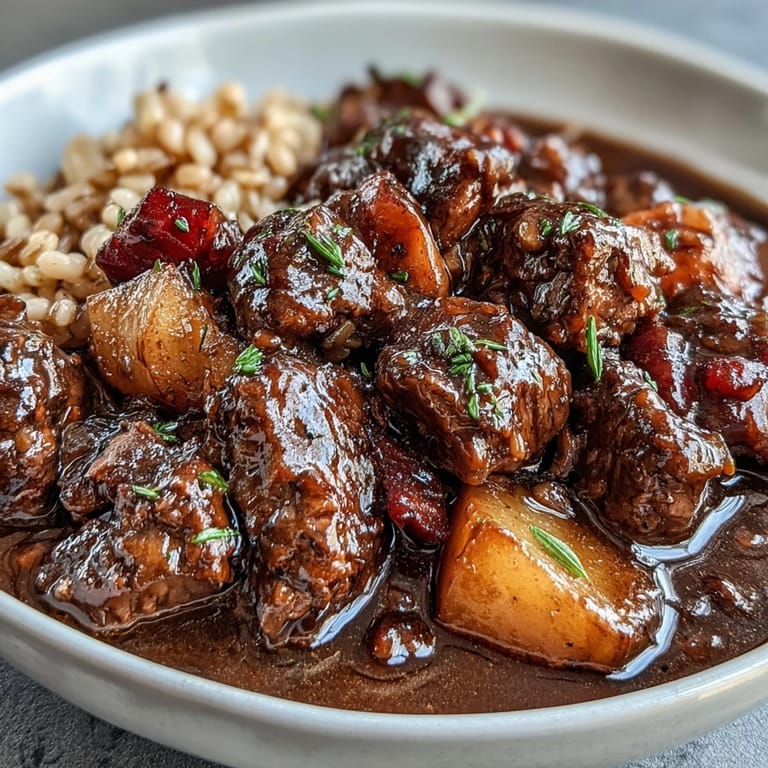
 My mom made me promise to make this stew for her book club, saying it was "the kind of thing that makes people feel cared for without needing a fussy explanation." That hit me harder than I expected—food at its best isn't about technique or impressing anyone, it's about showing up with a warm pot and saying, without words, that you spent time thinking about making someone comfortable.
The Magic of Make-Ahead Cooking
This stew actually tastes better the next day or even two days later, which is a rare gift in cooking. The flavors deepen and marry together as it sits in the fridge, and the broth becomes silkier as the starches from the barley and potatoes continue their slow thickening. I've learned to make this on a Sunday for scattered dinners throughout the week—it reheats gently on the stovetop or in the microwave without losing any character.
Variations Worth Trying
Once you master the base, this stew becomes a canvas for your own preferences and what's in your vegetable drawer. Mushrooms add earthiness, sweet potato brings different sweetness than parsnip, and celeriac offers a subtler celery flavor that some people prefer. The formula is simple: keep the beef, barley, and broth ratio stable, but feel free to swap root vegetables based on season and mood.
Serving and Storage Wisdom
Serve this stew hot in deep bowls with crusty bread—that's non-negotiable because the broth is the star and you'll want something to soak it up. Storage is straightforward: covered in the fridge for up to 4 days, or frozen for up to 3 months, though I've never had any left long enough to test that claim.
- If you substitute Guinness with another stout or remove it entirely for alcohol-free cooking, use an extra cup of beef broth to maintain the liquid ratio and richness.
- Add other root vegetables like sweet potato or celeriac for variety, but keep the total vegetable volume roughly the same so the proportions stay balanced.
- Double-check labels on broth and Worcestershire sauce if you're cooking for someone with gluten or fish allergies, since some brands contain these.
 Save to Pinterest
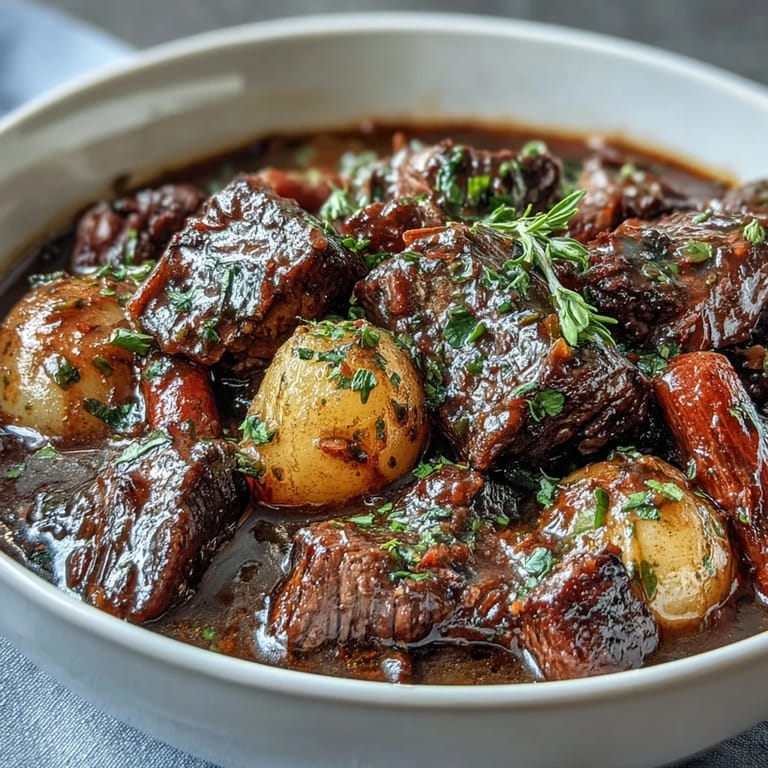
 This stew has become my cold-weather anchor, the recipe I reach for when I want to feel grounded and capable in the kitchen. Make it once and you'll understand why it deserves a permanent place in your rotation.
Common Recipe Questions
- → Can I use a different type of meat?
Beef chuck is ideal for slow cooking due to its tenderness after simmering, but other cuts like brisket or short ribs can also work well.
- → What can I substitute for Guinness stout?
Use another dark stout or extra beef broth for an alcohol-free alternative without compromising richness.
- → How can I thicken the stew if needed?
Mash some of the cooked potatoes and root vegetables against the pot sides to naturally thicken the stew.
- → Can I prepare this dish ahead of time?
The stew tastes even better the next day as the flavors deepen, making it great for advance preparation.
- → What side dishes complement this stew?
Crusty bread or a simple green salad pairs well to balance and complete the meal.
- → Are there any common allergens to watch out for?
This dish contains barley and Worcestershire sauce, which may have gluten and fish; check ingredient labels if sensitive.